
Inside Luftgekühlt Tokyo: 200-Plus Air-Cooled Porsches Take Over a Closed Highway
By day, it felt like a car show. By night, Tokyo’s air-cooled Porsche scene came alive.
Jofel TolosaWriter
April 06, 2026

For the devoted Japanese automobile enthusiast, a visit to the Land of the Rising Sun typically involves a pilgrimage to prestigious events like the Tokyo Auto Salon 2026 or the Osaka Auto Messe 2026, a deep dive into the most breathtaking car garages, and a satisfying indulgence in an embarrassing quantity of convenience store cuisine. However, this year was marked by an extraordinary spectacle in the heart of Tokyo, featuring an astonishing armada of Porsches as the undisputed stars.
For the first time in history, Luftgekühlt—the globally renowned gathering celebrating all things air-cooled Porsche—expanded its reach to Japan. The event took control of the now-decommissioned KK Line, an elevated stretch of highway that once served as a vital artery connecting Tokyo’s Kyobashi and Shimbashi districts. For one memorable day, this urban thoroughfare was transformed into a showcase for German air-cooled Porsche culture, impeccably adapted to the unique Japanese aesthetic. What was once a bustling corridor for city traffic evolved into something entirely different: a stunning exhibition of approximately 220 historic Porsches, attended by 11,600 enthusiasts, and offering a truly unique perspective on both the city of Tokyo and Porsche’s rich heritage.
This isn’t your typical auto exposition; Luftgekühlt 2026 redefined what a Porsche gathering could be. The event successfully blended history, design, and atmosphere in a way that resonated deeply with automotive aficionados worldwide, establishing a new benchmark for high-end classic car shows in Asia.
A Curated Exhibition on the Concrete Canvas
As anticipated, Luft Tokyo was a mind-blowing spectacle of historic Porsches, featuring everything from legendary race cars to groundbreaking street builds. The curated selection was a testament to the organizing team’s dedication to quality and rarity, appealing to a broad spectrum of car enthusiasts, from those appreciating the aesthetics of a restored 911 to those captivated by the history of Porsches in Japan.
One of the absolute standouts was the No. 28 Porsche 910, formerly driven by the legendary Japanese racer Tetsu Ikuzawa. This iconic car—a piece of automotive history—not only paid homage to the early days of Porsches in Japan but also highlighted the nation’s role in global motorsport. The 910’s impressive performance, securing second place overall and first in its class at the 1968 Japanese Grand Prix, still resonates today, drawing admiring glances from the crowds that gathered on the KK Line.
For those who prefer road-legal machines, the Auto Garage TBK demo car was undoubtedly the car to see. It looked perfectly at home on the elevated highway, elegantly posing rather than tearing through the city at top speed. This car, representing the pinnacle of Japanese Porsche tuning and craftsmanship, embodied the essence of the Luftgekühlt philosophy: celebrating the car as art.
The organizers recognized the significance of the location—a structure built for purely functional purposes being repurposed for a celebration of design and engineering. The KK Line, now a relic of Tokyo’s development, provided a brutalist backdrop that contrasted beautifully with the curves of the classic Porsches. This juxtaposition underscored the evolution of the city and the enduring appeal of German automotive design.
The Unforgettable Transformation from Day to Night
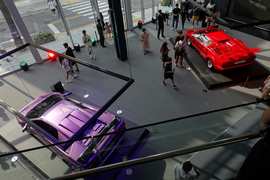
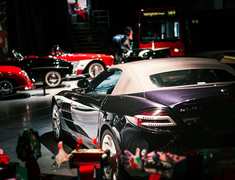
Arguably the masterstroke of Luft Tokyo was extending the event into the night, a decision that completely transformed the scene. What began as a pristine, almost gallery-like exhibition slowly morphed into the kind of underground, after-dark experience that only Tokyo could deliver. This transition from day to night wasn’t just a change in lighting; it was a shift in atmosphere, mood, and energy.
The evening crowd brought a different vibe. The Japanese Porsche enthusiasts mingled with international guests, sharing stories and admiring the rare examples of Porsches for sale or display. The city lights of Tokyo provided a dramatic backdrop to the meticulously maintained air-cooled Porsche 911s, creating a cinematic effect that many found unforgettable.
During the event, Mark Arcenal, founder of Illest and Fatlace, was in attendance and deeply impressed by the outcome. “Luft Tokyo was a once-in-a-lifetime experience that I don’t think will ever be duplicated as that area of freeway will turn into retail and a park, I believe,” Arcenal remarked. “Glad to experience it and see some of the coolest cars around Tokyo.”
Arcenal’s sentiment highlights the significance of Luftgekühlt 2026. By carefully choosing a unique venue, curating a diverse collection of cars, and orchestrating an atmosphere that evolved dramatically from day to night, the Luft Tokyo team offered something distinct from Japan’s traditional auto shows. The German Porsche community abroad witnessed how Porsches in Japan had evolved to become a globally respected phenomenon, supported by a passionate local enthusiast base.
For those seeking Porsches for sale in the market, the event also served as a premier venue to connect with sellers and collectors, further cementing Luft Tokyo’s importance as a hub for the global air-cooled Porsche community.
The Evolution of Air-Cooled Porsche in Japan: From Race Tracks to the City Streets
The history of air-cooled Porsches in Japan dates back decades, largely influenced by motorsport and a select group of forward-thinking collectors. Early enthusiasts were captivated by the engineering prowess and sporting pedigree of cars like the 911 and the Carrera RS. These early pioneers were instrumental in establishing the foundation for the vibrant Porsche community that exists today.
Japanese enthusiasts are known for their meticulous attention to detail and passion for originality, which has led to the preservation of countless pristine examples. Unlike in some other markets where cars might be modified heavily for performance, many Japanese owners focus on preserving the original Porsche character. This commitment to history is a key factor in why classic Porsches in Japan remain in such immaculate condition, making them highly sought after by collectors globally.
The Luftgekühlt Tokyo event was more than just a car show; it was a declaration that Japan is now a major player in the global air-cooled Porsche scene. The sheer number of Porsches present—over 200 examples ranging from early 911 models to more modern 964 and 993 variants—showed the depth of passion and commitment from the local community. The Auto Garage TBK demo car, with its blend of vintage aesthetic and modern tuning, represented the forward-thinking approach of Japanese enthusiasts, who are constantly pushing the boundaries of what is possible while respecting the original design.
The choice of the KK Line as a venue was strategic. In a city like Tokyo, where space is a premium and most Porsches are housed in private garages or small clubs, closing down an entire elevated highway provided an unprecedented opportunity for large-scale public display. This offered an opportunity for the Japanese Porsche enthusiasts to share their passion with the world in a way that traditional car shows simply cannot accommodate. The event successfully demonstrated the global reach of air-cooled Porsche culture and positioned Luftgekühlt as the premier brand for classic car gatherings in Asia.
For buyers looking to purchase Porsches for sale, the Japanese market offers some of the best-maintained examples in the world. The dedication to preservation means that the original Porsche integrity of these cars is often maintained, appealing to collectors who prioritize originality and condition. Luftgekühlt Tokyo provided an excellent platform for these buyers to connect with sellers and explore the best Porsches available on the market.
A World of Rare and Exquisite Porsches
The diversity of cars on display was simply staggering. Attendees witnessed a comprehensive lineup of classic Porsches, including the iconic Porsche 964, known for its modern usability and classic looks, and the sleek 993, often considered the last of the truly air-cooled 911 models. The event also featured rare models that are seldom seen outside of Japan, such as the 911 RS 2.7, a true legend in the Porsche pantheon.
For the younger generation of Porsche enthusiasts, the 964 Porsche offered a glimpse into the transition period of the 1990s, showcasing the development of the 911 platform before the move to water-cooling. Similarly, the 993 Carrera RS was a highlight for many, representing the apex of air-cooled 911 engineering and design before the Carrera RS evolved into the 996.
The historical significance of Porsches in Japan was evident through the presence of the No. 28 Porsche 910. This car’s storied past at the 1968 Japanese Grand Prix reminded everyone of the Porsche brand’s long history in Japanese motorsport, tracing back to the very first days of racing in the country. Ikuzawa’s drive in that race has become legendary, symbolizing the competitive spirit of