
Luftgekühlt Tokyo 2026: A Legendary Day on the KK Line
When enthusiasts discuss the pinnacle of automotive culture in Japan, the narrative often revolves around pilgrimage sites like the Tokyo Auto Salon or the Osaka Auto Messe. Yet, the year 2026 marked a seismic shift in this traditional calendar. Deep within the bustling heart of Tokyo, a landscape usually dominated by skyscrapers and neon metropolises transformed into an open-air gallery celebrating German engineering at its most elemental: the air-cooled Porsche. This was the debut of Luftgekühlt in Japan, an event that transcended the typical static showcase by choosing the unique backdrop of the KK Line, an elevated expressway set for decommission, to host over 200 historically significant and custom-built Porsche air-cooled models.
The event, held on a closed section of the former Kyobashi and Shimbashi highway, proved to be a confluence of history, engineering, and culture. Unlike conventional static displays, Luftgekühlt Tokyo offered a dynamic experience, shifting its atmosphere dramatically from a daytime precision show to an underground spectacle under the stars. This unique juxtaposition of a storied automotive icon with a temporarily repurposed infrastructure created an experience that was both awe-inspiring and fleeting.
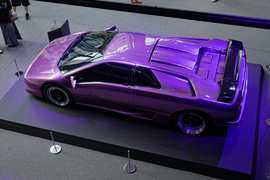
For the dedicated enthusiasts in attendance, the day was filled with reverence for a design philosophy that predates modern water-cooling—a philosophy that Porsche itself defined through relentless innovation and racing pedigree. From the sleek lines of early 911 prototypes to the raw, purposeful aesthetic of GT racers, the Luftgekühlt Tokyo lineup represented the zenith of air-cooled engineering, attracting global attention and solidifying the Japanese automotive scene’s status as a global center for automotive appreciation and modification.
The Transformation of the KK Line
The location itself set the stage for Luftgekühlt Tokyo 2026. The KK Line, once a vital traffic artery in Tokyo, had become an obsolete relic of urban planning. As the city continuously rebuilds and expands, infrastructure like the KK Line is often repurposed for retail, parkland, or new transit solutions. This scheduled decommissioning provided a rare window of opportunity—a time when a piece of vital infrastructure could be reclaimed for a cause beyond its original function. By taking over this historic stretch of road, the Luftgekühlt team did more than just provide a venue; they paid homage to the very purpose of the highway: bringing people together through movement and shared passion.
Securing the KK Line as a venue was no small feat. It required navigating complex regulatory frameworks and ensuring that the event could proceed with the minimal disruption possible to surrounding areas. The elevated nature of the highway provided breathtaking views of the cityscape, allowing attendees to appreciate the juxtaposition of modern Tokyo architecture with the timeless design of classic German sports cars. This strategic choice ensured that every photo captured at the event was not just a snapshot of cars, but a piece of Tokyo history being repurposed for a cultural celebration.
The Evolution of the Event
The success of Luftgekühlt Tokyo was largely defined by its dual nature—the precise calm of the day giving way to the electric energy of the night. The afternoon began with a deliberate, almost gallery-like atmosphere. Attendees, ranging from collectors to young enthusiasts, strolled along the elevated road, examining the meticulous engineering of each vehicle. The focus was on appreciation, documentation, and casual conversation. Unlike other automotive shows that prioritize speed, the air-cooled Porsche community at Luftgekühlt values subtlety, history, and provenance.
As the sun dipped below the skyline, the event underwent a profound transformation. With the city lighting up, the tone shifted from a daytime reverence to an underground appreciation. The official exhibition was extended into the night, transforming the KK Line into a nocturnal spectacle. This shift was not merely cosmetic; it was a recognition that automotive culture in Tokyo exists as a multifaceted entity that extends beyond the white light of day. It is a culture that thrives on the clandestine meetings in dimly lit parking garages and the roar of engines echoing through narrow city streets.
Mark Arcenal, the founder of Illest and Fatlace, who attended the event, summed up the unique atmosphere perfectly. He described Luftgekühlt Tokyo as a “once-in-a-lifetime experience” that may never be duplicated due to the eventual repurposing of the area into retail and parkland. His acknowledgment underscores the ephemeral nature of the event, making the attendees feel privileged to have witnessed this specific intersection of automotive history and urban transformation.
A Curated Selection of Legends
The lineup at Luftgekühlt Tokyo 2026 was not a random assortment of cars; it was a carefully curated collection that represented the full spectrum of Porsche’s air-cooled heritage. The event showcased everything from historically significant race cars that defined racing history to wild street builds that pushed the boundaries of modern customization.
One of the most iconic displays was the No. 28 Porsche 910, driven by Tetsu Ikuzawa. This legendary car, which finished second overall and first in class at the 1968 Japanese Grand Prix, provided a powerful link to the golden age of motorsports. Seeing this historic vehicle displayed on a modern highway, surrounded by contemporary creations, was a poignant reminder of how far automotive engineering has come, and yet, how timeless the original design still is.
For enthusiasts who prefer street-legal builds, the Auto Garage TBK demo car was a standout exhibit. This car showcased the incredible level of detail and creativity that Japanese tuners bring to their projects. Instead of being driven at high speeds, the car was strategically positioned for appreciation, allowing visitors to marvel at the custom bodywork, suspension modifications, and interior enhancements. It served as a testament to the dedication of the Japanese automotive community, who transform production cars into rolling works of art.
Beyond the iconic racers and custom builds, the Luftgekühlt Tokyo featured a remarkable array of classic 911s, ranging from the early short-wheelbase models to the Carrera RS era. The precision of the air-cooled engines, the distinctive sound of the flat-six, and the pure mechanical focus of these vehicles captivated the audience, reminding them that while the world of automobiles has moved on to electric power and digital integration, the raw, analog experience of a classic Porsche remains unparalleled.
The Cultural Impact and Legacy
The arrival of Luftgekühlt in Japan was more than just a car show; it was a statement about the country’s evolving automotive culture. For decades, Japan has been at the forefront of tuners and manufacturers who have refined and popularized automotive modifications. However, the deep-rooted love for German engineering, particularly from the Porsche marque, has often been celebrated in more exclusive or private circles. Luftgekühlt Tokyo provided a platform for this hidden passion to emerge, transforming it into a public celebration that resonated with a global audience.
The event succeeded in integrating Japanese automotive culture with an international movement. The organizers ensured that the event was a true reflection of Japanese aesthetics, hospitality, and attention to detail. From the moment attendees entered the KK Line, they were greeted with a curated experience that catered to their specific tastes. This commitment to cultural integration ensured that the event felt authentic to both the Porsche community and the Japanese audience.
Moreover, Luftgekühlt Tokyo was not just an event; it was a catalyst for future initiatives. The success of this first-ever Japanese edition has set the stage for further celebrations and gatherings that will continue to bridge the gap between the German engineering legacy and the passionate automotive culture of Japan. As the demand for unique, experience-driven events grows, Luftgekühlt Tokyo 2026 has set a new standard for how automotive events are conceptualized, executed, and enjoyed.
The End of the Night
As the event concluded, and the last vehicles began to scatter into the Tokyo night, the KK Line returned to its eerie silence. The transformation from a vibrant hub of automotive celebration to a dormant highway was dramatic, marking the end of a truly unforgettable day. The attendees departed with memories of historical cars, breathtaking views, and the unique atmosphere of a one-of-a-kind event.
The final act of the day for many attendees was a return to the ubiquitous Japanese convenience store, or konbini, for a famchiki—a quintessentially Japanese experience that rounded off a day of German automotive appreciation. This humble act emphasized that while the event was a celebration of an extraordinary icon, the core of Japanese automotive culture lies in the simple, shared enjoyment of cars, food, and companionship.
Luftgekühlt Tokyo 2026 was more than just a car show on a closed highway; it was a cultural movement that captured the hearts of Porsche enthusiasts. It demonstrated that when automotive passion meets historical infrastructure, the result is a truly magical experience that transcends the boundaries of time and place. As the city continues to evolve, the legacy of Luftgekühlt Tokyo will remain a testament to the enduring power of German engineering and the unique spirit of Japanese automotive culture.
The Unforgettable Spectacle of Luftgekühlt Tokyo 2026
The year 2026 marked a historic moment for the global automotive community, as the iconic Air-Cooled Porsche event, Luftgekühlt, made its long-awaited debut in Japan. Far from a standard automotive show, Luftgekühlt Tokyo transformed a stretch of the decommissioned KK Line in the heart of Tokyo into a legendary stage for over 200 air-cooled Porsche vehicles. This air-cooled Porsche showcase transcended traditional car exhibitions by blending history, engineering, and unique urban topography, culminating in a German air-cooled Porsche culture event that will resonate for years to come.
The Transformation of the KK Line: From Road to Gallery
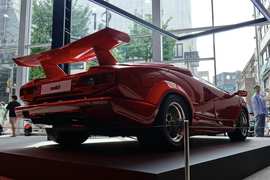
The selection of the KK Line as the venue for Luftgekühlt Tokyo was a masterstroke of event planning. This elevated expressway, linking the Kyobashi and Shimbashi districts, was slated for