🔻 Watch the video below.
🔻

The Modern Luxury Sedan: A Digital Ecosystem in Motion
The automotive industry in 2026 has reached a state of technological integration previously thought to be the sole domain of science fiction. Gone are the days when luxury sedans were defined merely by their mechanical precision and plush interiors. Today’s premium vehicles, led by titans such as Audi, BMW, and Mercedes-Benz, have been transformed into rolling supercomputers, equipped with advanced connectivity, artificial intelligence, and an intricate tapestry of customizable features. This escalating technological arms race has elevated the driving experience to an unprecedented level of digital immersion, yet it has simultaneously introduced new layers of complexity for modern drivers. The era of the purely mechanical automobile is receding rapidly, replaced by a sophisticated digital landscape where the interface between driver and machine is often as intricate as the mechanical systems underpinning it.
The most striking hallmark of the 2026 luxury automotive sector is the profound ascendancy of the digital dashboard. The days of a simple gauge cluster and a handful of physical switches are long gone. Today’s premium sedans, exemplified by the latest Audi S8, feature expansive, reconfigurable displays that serve as the central hub for information and control. While this evolution is visually arresting, it signifies a fundamental alteration in the very nature of driving. The focus has shifted from the visceral feedback of the road to the curated data presented on a glass surface. For the discerning buyer, this raises a critical question: Does this technological integration enhance the driving experience, or does it create a distracting, overly complex digital veil that obscures the act of driving?
The psychological effects of this digital immersion are substantial. The 2026 Audi S8 serves as a compelling case study, with the vehicle exhibiting what appears to be semi-sentient behavior. In a notable recent incident, the issue was traced not to a supernatural phenomenon, but to a tech-savvy teenager using the vehicle’s advanced rear-seat entertainment tablet to control a spectrum of functions, from climate adjustment to infotainment. While the anecdote is amusing, it underscores a significant vulnerability in modern automotive design: the potential for user error—or in this case, user mischief—to generate a chaotic driving environment. The very technologies designed to facilitate seamless integration with personal devices and offer extensive customization options also provide a powerful tool for non-driving occupants to influence the vehicle’s operations.
This development transcends mere convenience; it reflects a paradigm shift in automotive philosophy. The traditional luxury vehicle was characterized by its mechanical refinement and its capacity to isolate the driver from the challenges of the road. The modern interpretation, however, seems to embrace the very complexity that such isolation once sought to mitigate. The S8, a vehicle celebrated for its effortless long-distance capability, now also serves as a platform for digital experimentation. This duality—a powerful, effortless grand tourer enveloped in a shell of intricate, customizable software—is the defining feature of the 2026 luxury sedan. It is a machine that demands not only an appreciation for engineering but also a high degree of technological proficiency.
The Digital Dashboard: A Seamless Symphony or a Distracting Cacophony?
The most significant transformation in the luxury sedan segment over the past decade has been the evolution of the dashboard. The move from physical knobs and analog gauges to large, multi-function digital displays represents a fundamental change in how drivers interact with their vehicles.
The Rise of the Digital Cockpit:
In 2026, advanced automotive interiors are dominated by reconfigurable displays. The Audi S8, for instance, features a driver-focused layout where the digital instrument cluster is the primary source of information. This “digital cockpit” provides a highly customizable interface, allowing drivers to choose the information they deem most important, ranging from navigation to performance metrics.
User Experience and Haptic Feedback:
While these screens are visually impressive, they pose a challenge to the traditional automotive experience. Drivers expect tactile feedback from physical controls, and touchscreens can sometimes feel unresponsive. Luxury manufacturers are addressing this by incorporating haptic feedback systems, which simulate the feeling of pressing a button on a screen. However, the complexity of these systems can often lead to a steep learning curve for drivers.
The Evolution of Physical Controls:
Many manufacturers are attempting to strike a balance by integrating physical controls for critical functions such as climate and volume. This hybrid approach acknowledges the drivers’ preference for tactile feedback while still embracing the digital revolution.
Psychological Implications: The Driver vs. the Machine

The integration of artificial intelligence and connectivity into luxury sedans has raised questions about the psychological impact on drivers. The trend toward hyper-personalization and semi-autonomous features has blurred the lines between human and machine, leading to a phenomenon where the vehicle itself seems to develop a personality.
Semi-Sentient Behavior:
The case of the 2026 Audi S8 highlights this trend. A teenager successfully manipulated the vehicle’s climate control and infotainment system using a rear-seat entertainment tablet, creating a chaotic driving experience. This anecdote underscores the vulnerability of modern vehicles, which, despite their sophistication, can be disrupted by user error or mischief.
Digital Privacy Concerns:
The seamless integration of personal devices into the automotive ecosystem has also raised security concerns. The same tablet that controls climate settings can, in theory, be used for more malicious intrusions. As vehicles become extensions of our digital lives, the potential for cyber threats increases. The promise of seamless connectivity—the ability to stream music, access navigation, and manage schedules effortlessly—comes with the implicit risk of data breaches and remote manipulation.
The Paradox of Personalization:
Hyper-personalization aims to create a vehicle that anticipates the driver’s needs, but it must be executed with care. The line between helpful assistance and intrusive micromanagement is a fine one. The ideal luxury vehicle of the future will be one that anticipates the driver’s needs without feeling like it is hovering over their shoulder. It will be a machine that understands the nuances of the driving experience—the subtle cues of the road, the rhythm of the journey, and the emotional state of the occupants—and adapts accordingly.
The Evolution of Automotive Services: From Oil Changes to Software Updates
The shift toward software-dependent vehicles has had a profound impact on the automotive service industry. The traditional model of a dealership performing oil changes and tire rotations is evolving to include a wide range of digital services.
The Rise of OTA Updates:
Over-the-air (OTA) updates have become a critical component of modern automotive maintenance. These updates allow manufacturers to fix software bugs, improve performance, and even add new features without requiring the driver to visit a dealership. For example, the Audi S8 can receive software updates that enhance its MMI infotainment system or optimize its drive settings.
The Future of Servicing:
Modern premium vehicles require sophisticated diagnostic equipment and technicians trained in software engineering as much as in mechanical repair. This escalation in technical requirements raises the bar for vehicle ownership, potentially pricing out those who prefer a more straightforward automotive experience. For the enthusiast who craves the cutting edge of automotive technology, this is a golden age; for the traditionalist, it may feel like a step too far into the unknown.
The Impact on Dealerships:
Dealerships are adapting to this new reality by investing in advanced diagnostic tools and training their technicians to handle software-related issues. The service experience is becoming more integrated with the vehicle’s digital ecosystem, blurring the lines between the service bay and the digital world.
The Digital Ecosystem in Motion: Connectivity and Infotainment
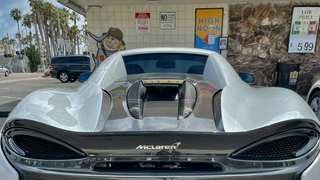
The modern luxury sedan is more than just a mode of transportation; it is a fully integrated digital ecosystem. With advancements in connectivity and infotainment, vehicles have become extensions of our digital lives.
The MMI System:
The MMI (Multi Media Interface) system is the heart of Audi’s digital ecosystem. It integrates navigation, entertainment, and connectivity features into a seamless user experience. The Audi S8’s MMI system, for example, offers over-the-air updates, cloud-based connectivity, and integration with personal devices.
Connectivity in 2026:
In 2026, 5G connectivity is becoming standard in luxury sedans, allowing for faster data transfer and more reliable connectivity. This enables features such as streaming high-definition video, real-time traffic updates, and cloud-based navigation.
The Future of Infotainment:
The future of infotainment will likely involve greater integration of augmented reality and virtual reality technologies. Imagine augmented reality navigation that overlays directions onto the road ahead, or virtual reality entertainment that transforms the car into a cinema.
The Evolution of Mechanical Engineering: From Combustion to Electrification
While the automotive industry is moving toward electrification, internal combustion engines still play a significant role in the luxury segment. Vehicles like the Audi S8 combine the power of a combustion engine with the sophistication of electric motors.
Performance and Efficiency:
The Audi S8 features a turbocharged V8 engine that delivers impressive performance and efficiency. The vehicle’s mild-hybrid system captures energy during braking and coasting, helping to reduce fuel consumption and emissions.
The Future of Electrification:
The transition to electric vehicles (EVs) is accelerating, with manufacturers investing heavily in battery technology and charging infrastructure. Luxury EVs are becoming more common, offering the same level of performance and refinement as their combustion-engine counterparts.
The Hybrid Luxury Experience:
The Audi S8 represents a hybrid approach, combining the best of both worlds. It offers the thrilling performance of a combustion engine with the efficiency and sustainability of an electric powertrain. This dual approach allows drivers to experience the best of both worlds—the raw power of a V8 engine and the smoothness of an electric motor.
Conclusion: A Delicate Balance Between Technology and Tradition

The modern luxury sedan is a technological marvel, a fusion of mechanical engineering and digital innovation. The evolution of the digital dashboard, the integration of artificial intelligence