
The 12-Volt Ghost: How a Tablet Hijacked a Luxury Sedan
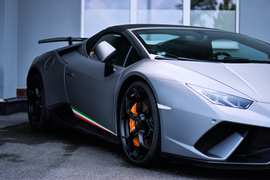
The initial tremors were easy to dismiss. A phantom scent of pine cutting through the opulent leather, the rear sunshade gliding upward unbidden, the navigation system rerouting us toward a forgotten diner—my $150,000 Audi S8 was behaving less like a precision-engineered German machine and more like a specter in a bespoke suit. For months, my family attributed these electronic poltergeist activities to firmware gremlins or phantom voltage surges, commonplace enough in the complex digital ecosystem of a modern luxury sedan. But as the editor of a premier automotive publication, I knew better than to blame the software. The culprit was far more mundane, and frankly, far more human. It was my fourteen-year-old son, leveraging the car’s cutting-edge rear-seat entertainment interface to orchestrate a symphony of minor digital chaos.
This incident, while amusing in retrospect, serves as a perfect case study for the evolving relationship between driver and machine in 2026. When you invest in a vehicle like the Audi S8, you are not merely purchasing transportation; you are acquiring a command center. The sheer density of features—the adaptive air suspension, the predictive active suspension, the multi-zone climate control, the haptic feedback steering wheel—is breathtaking. Yet, as my son demonstrated with startling efficiency, the more sophisticated the system, the more accessible it becomes to those who understand its interface. The era of the monolithic dashboard, where the driver held absolute control, is fading fast. In the contemporary landscape, the luxury car is a networked ecosystem, and every node is a potential point of interaction.
The S8’s primary issue, once the tablet was confiscated and its access rights revoked, was not a design flaw but a triumph of user interface design. Audi’s rear-seat tablet is a marvel of engineering, allowing passengers to manage their own micro-environment within the cabin. It controls the massage chairs, the ambient lighting, and yes, the very air that circulates through the vents. But in the wrong hands—or even the bored hands of a tech-savvy teenager—it becomes a tool of mild electronic rebellion. It highlights a critical tension in automotive design: the balance between security and accessibility. If a system is too locked down, it frustrates the intended user; if it is too open, it invites exactly the kind of \”haunting\” I experienced.
This phenomenon isn’t unique to Audi. The automotive landscape of 2026 is replete with examples of user interfaces that blur the line between driver control and passenger influence. Consider the latest offerings from Mercedes-Benz, where the Hyperscreen allows for deep customization of vehicle dynamics by those in the back. Or look at BMW’s iDrive 8, which grants rear-seat passengers control over navigation and media. The message is clear: the modern luxury vehicle is no longer a monologue delivered by the driver; it is a dialogue shared among all occupants.
The Architecture of Control: Deconstructing the Modern Cockpit
To understand the vulnerability exposed by my son’s exploits, one must first appreciate the sheer complexity of the Audi S8’s architecture. This isn’t just a car; it’s a rolling supercomputer. At its heart lies the MMI Touch Response system, a dual-screen interface that represents the pinnacle of user experience design in 2026. The upper screen handles navigation, media, and vehicle configuration, while the lower screen manages climate control, seat functions, and ambient lighting. The genius of the system lies in its haptic feedback; pressing virtual buttons feels like pressing physical ones, providing a tactile reassurance that often pacifies even the most skeptical technophobes.
The rear-seat entertainment system, the source of my domestic drama, is a separate but deeply integrated module. It features two high-resolution touchscreens that can be independently operated, allowing passengers to watch different content, adjust their climate settings, or even access vehicle information. The interface is intuitive, responsive, and deeply integrated into the car’s architecture. It is, in short, a system that invites interaction. And that, as I learned, is both its greatest strength and its most exploitable vulnerability.
Beyond the infotainment system, the S8 is a showcase of Audi’s broader technological vision. The interior is a masterclass in materials and craftsmanship. Supple leather, genuine wood veneers, and brushed aluminum trim combine to create an atmosphere of understated elegance. The build quality is exceptional, with tight panel gaps and a solid, reassuring feel to every surface. It is a cabin designed to isolate occupants from the outside world, to cocoon them in comfort and luxury. Yet, as my son demonstrated, no amount of insulation can fully block out human ingenuity.
The technical specifications of the S8 only underscore the magnitude of this achievement. With its 4.0-liter twin-turbocharged V8 engine producing 563 horsepower and its Quattro all-wheel-drive system, the S8 is a performance behemoth capable of 0-60 mph sprints in under three seconds. Yet, beneath this brutish capability lies a suite of technological wonders. The predictive active suspension, for example, uses camera sensors to scan the road ahead, adjusting damping forces milliseconds before the wheels encounter bumps or potholes. This creates a ride quality that is nothing short of magical—a floating sensation that makes the 5,000-pound sedan feel as light as a feather.
The driving dynamics of the S8 are equally impressive. The V8 engine delivers a surge of power that is both exhilarating and seamless. The Quattro all-wheel-drive system provides tenacious grip, allowing the car to corner with confidence despite its size. The steering is precise and communicative, offering a satisfying weight that builds as you approach the limits of adhesion. It is a car that manages to be both a comfortable cruiser and a thrilling sports sedan, a rare feat in the automotive world.

However, the very features that make the S8 such a remarkable machine also make it a complex one. The sheer number of technological systems can be overwhelming for some drivers. The MMI system, while powerful, requires a learning curve to master. The various driving modes, suspension settings, and lighting options can be difficult to navigate without a thorough understanding of the manual. It is a reminder that with great power comes great complexity.
The Digital Poltergeist: Why Teens Can Hijack Luxury Cars
My son’s exploits weren’t just about convenience; they were about power. Teenagers today are digital natives. They grow up with smartphones in their hands, and they interact with technology with an ease that adults often lack. To them, a touchscreen interface is as intuitive as a pencil. And when they see an interface that controls the very environment around them—the music, the climate, the lighting, even the seats—they want to explore it.
The key vulnerability lies in the rear-seat tablet. Audi, in its pursuit of ultimate passenger comfort, created a device that allows users to control nearly every aspect of the car’s non-driving functions. It’s a brilliant piece of engineering, but it lacks the same level of access control that the driver’s interface has. While the driver has password protection for certain features, the rear-seat tablet, designed for easy access, doesn’t.
This is where the “12-volt ghost\” was born. My son discovered that by accessing the rear-seat tablet, he could control the ambient lighting—changing the colors to his favorite hues, causing the car’s interior to glow in eerie shades of blue and green. He could adjust the massage seats to their most intense settings, making them vibrate like a washing machine on the spin cycle. He could even hijack the navigation system, rerouting us to obscure locations or sending the car on a phantom journey through the city streets.
But the mischief didn’t stop there. He discovered the car’s perfume selection feature, another of my son’s targets, is a case in point. The ability to pump different fragrances into the cabin at the touch of a button is a novel concept, one that reflects the growing emphasis on personalized luxury experiences. But it also raises questions about the potential for misuse. While my son’s use of the pine scent was innocuous, the capability exists to deploy any fragrance with a push of a button. While this is a niche feature, it demonstrates the level of access granted to the rear-seat system. It’s a reminder that technology, no matter how advanced, is ultimately a reflection of its users. If the interface is too permissive, the system will be exploited. If it is too restrictive, it will be bypassed. The challenge for manufacturers in 2026 is to find the perfect balance.
The Industry Response: Balancing Convenience and Security
The automotive industry is currently engaged in a massive digital transformation. Cars are no longer just mechanical devices; they are becoming sophisticated computing platforms on wheels. This shift is driven by consumer demand for connectivity, automation, and personalized experiences. But it also introduces new risks and challenges that the industry must address. The potential for cyber-attacks, the complexities of software updates, and the need for intuitive user interfaces are all pressing concerns that manufacturers are grappling with.
The Audi S8, with its blend of raw power and cutting-edge technology, represents the pinnacle of this transformation. It is a car that pushes the boundaries of what is possible, offering a driving experience that is both exhilarating and refined. Yet, it also serves as a cautionary tale about the potential pitfalls of integrating complex systems into vehicles. The lesson learned from my experience with the rear-seat tablet is not that technology is inherently flawed, but that it must be designed with a deep understanding of human behavior.

Manufacturers like Audi, Mercedes-Benz, and BMW are constantly updating their software to patch vulnerabilities and improve security. They are also developing new