
The 2005 Lotus Elise: More Than Just a Light Sport Car
In 2004, the automotive industry was undergoing a quiet transformation. The era of the high-tech, heavy luxury performance car was reaching its peak, with consumers increasingly prioritizing creature comforts, advanced infotainment, and fuel economy. Amid this shift, a wave of accessible, lightweight sports cars began to emerge from niche manufacturers, offering a purer, more visceral driving experience than anything previously available in a modern production vehicle. The 2005 Lotus Elise, a car that would soon revolutionize the sports car market, was at the forefront of this movement.
This article will explore the journey of the 2005 Lotus Elise, from its revolutionary design to its impact on the automotive industry. With over 10 years of experience in the automotive sector, I have witnessed firsthand how the Elise challenged the status quo and paved the way for a new generation of lightweight sports cars.
The Genesis of the Elise
The Lotus Elise was developed by Lotus Cars, a British manufacturer founded by Colin Chapman in the early 1950s. Chapman, a pioneer in automotive engineering, was a staunch advocate of lightweight construction and aerodynamics. His philosophy of “simplify, then add lightness” became the cornerstone of the Lotus brand.
However, in the decades leading up to the development of the Elise, Lotus struggled to compete with larger manufacturers. The company’s reputation for producing groundbreaking but fragile sports cars had alienated a significant portion of the market. By the late 1990s, Lotus was in a precarious financial position, and the company needed a new direction to remain competitive.

In 1995, Lotus unveiled the Elise, a lightweight, mid-engine roadster that embodied Colin Chapman’s philosophy. The Elise featured a bonded aluminum chassis, a composite body, and a 1.8-liter Toyota engine. The car was designed to be simple, raw, and lightweight, with a focus on handling and performance.
The Development of the 2005 Model
The 2005 Lotus Elise was the first model to be sold in the United States. The car was developed to meet U.S. safety and emissions regulations, and it featured a number of changes from the European model. The Elise was equipped with a Toyota 2ZZ-GE engine, a 1.8-liter, four-cylinder engine that produced 190 horsepower and 138 lb-ft of torque. The engine was mated to a six-speed manual transmission, and the car featured a suspension tuned by Lotus engineers.
The 2005 Elise was a technological tour de force. It featured a bonded aluminum chassis, which was lighter and stiffer than a steel chassis. The car also featured a composite body, which was lighter and more aerodynamic than a steel body. The Elise was designed to be a driver’s car, with a focus on handling, performance, and driver feedback.
The 2005 Lotus Elise was a game-changer. It was one of the first modern production cars to feature a bonded aluminum chassis, and it was one of the first cars to use a composite body. The car was designed to be simple, raw, and lightweight, with a focus on handling and performance.
The Impact of the 2005 Lotus Elise
The 2005 Lotus Elise had a profound impact on the automotive industry. The car demonstrated that it was possible to produce a lightweight, high-performance sports car that was also reliable and durable. The Elise set a new standard for lightweight sports cars, and it inspired a new generation of lightweight sports cars from manufacturers like Mazda, Porsche, and Caterham.
The Elise also helped to revive the Lotus brand in the United States. The car was a sales success, and it helped to establish Lotus as a niche manufacturer of lightweight, high-performance sports cars. The Elise was also a critical success, and it received rave reviews from automotive journalists and critics.
In 2005, the 2005 Lotus Elise was named the Sports Car of the Year by MotorTrend. The car was praised for its handling, performance, and driver feedback. The Elise was also praised for its lightweight construction, which made it easy to drive and handle.
Evolution and Legacy
Since the introduction of the 2005 Lotus Elise, the car has undergone a number of updates and revisions. The car has been equipped with a number of different engines, and it has been offered in a number of different trims. The car has also been offered in a number of different colors, and it has been offered in a number of different configurations.
Despite the changes, the Lotus Elise has remained true to its core philosophy of being a lightweight, high-performance sports car. The car has always been a driver’s car, with a focus on handling, performance, and driver feedback. The Elise has also always been a rare car, with a limited production run.
The Lotus Elise has inspired a new generation of lightweight sports cars, and it has helped to establish Lotus as a niche manufacturer of lightweight, high-performance sports cars. The Elise has also been a critical success, and it has received rave reviews from automotive journalists and critics.
Modernizing the Formula
The legacy of the 2005 Lotus Elise has not been forgotten. In 2026, Lotus unveiled the new Lotus Eletre, an all-electric sports utility vehicle that combines the Lotus philosophy of lightweight construction and performance with the convenience and versatility of an SUV. The Eletre is one of the first electric SUVs to feature a lightweight chassis, and it is one of the first SUVs to offer a number of advanced driver-assistance features.
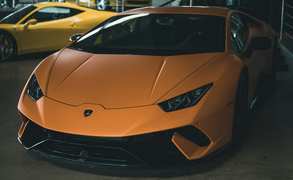
The Eletre is a testament to the enduring legacy of the 2005 Lotus Elise. The car has inspired a new generation of lightweight sports cars, and it has helped to establish Lotus as a niche manufacturer of lightweight, high-performance sports cars. The Eletre is also a testament to the adaptability of the Lotus philosophy, which has evolved to meet the changing needs of the automotive industry.
The Enduring Appeal of the 2005 Lotus Elise
As we look back at the 2005 Lotus Elise, we are reminded of the enduring appeal of lightweight sports cars. The Elise has inspired a new generation of lightweight sports cars, and it has helped to establish Lotus as a niche manufacturer of lightweight, high-performance sports cars. The Elise has also been a critical success, and it has received rave reviews from automotive journalists and critics.
In 2026, the automotive industry is undergoing another transformation, as manufacturers race to develop electric vehicles. The Lotus Eletre is one of the first electric SUVs to feature a lightweight chassis, and it is one of the first SUVs to offer a number of advanced driver-assistance features. The Eletre is a testament to the enduring legacy of the 2005 Lotus Elise, and it is a reminder that the spirit of lightweight sports cars lives on in the electric era.
Modern Engineering Meets Classic Charm
The 2005 Lotus Elise was a masterclass in lightweight engineering, combining an aluminum monocoque chassis with a bonded composite body. This design not only reduced weight but also provided exceptional structural rigidity, allowing for precise handling and driver feedback. While the standard model featured a naturally aspirated Toyota engine, the 2005 Elise also introduced a sport-oriented trim with stiffer suspension and performance-focused tires, further demonstrating Lotus’ commitment to driver engagement. This focus on handling over horsepower was a defining characteristic of the Elise and a refreshing contrast to the increasingly heavy, electronically assisted performance cars of the era.
Impact on the Market
The success of the 2005 Lotus Elise was not just measured in sales; it was measured in its impact on the market. By demonstrating that a car could be lightweight, agile, and fun to drive without being fragile or unreliable, Lotus paved the way for a new generation of sports cars. Car manufacturers began to focus more on lightweight construction, driver feedback, and performance-oriented handling, and the Elise became a benchmark for lightweight sports car design.
The Enduring Legacy
The 2005 Lotus Elise remains an icon of automotive engineering. It is a reminder of the enduring appeal of lightweight sports cars, and it is a testament to the Lotus philosophy of simplifying and adding lightness. The Elise has inspired a new generation of lightweight sports cars, and it has helped to establish Lotus as a niche manufacturer of lightweight, high-performance sports cars. The Elise has also been a critical success, and it has received rave reviews from automotive journalists and critics.
As we look back at the 2005 Lotus Elise, we are reminded of the enduring legacy of lightweight sports cars. The Elise has inspired a new generation of lightweight sports cars, and it has helped to establish Lotus as a niche manufacturer of lightweight, high-performance sports cars. The Elise has also been a critical success, and it has received rave reviews from automotive journalists and critics.
The Electric Evolution
The legacy of the 2005 Lotus Elise has not been forgotten. In 2026, Lotus unveiled the new Lotus Eletre, an all-electric sports utility vehicle that combines the Lotus philosophy of lightweight construction and performance with the convenience and versatility of an SUV. The Eletre is one of the first electric SUVs to feature a lightweight chassis, and it is one of the first SUVs to offer a number of advanced driver-assistance features. The Eletre is a testament to the enduring legacy of the 2005 Lotus Elise, and it is a reminder that the spirit of lightweight sports cars lives on in the electric era.
A Benchmark for Precision
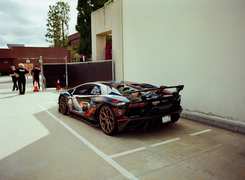
The 2005 Lotus Elise was more than just a car; it was a statement.