
The Lotus Elise: A 2,000-Pound Masterclass in Digital Precision
Introduction
Twenty years ago, the automotive landscape was undergoing a significant metamorphosis. The early 2000s saw a shift from brute force to sophisticated electronics in the quest for performance. It was during this period that a vehicle arrived on the American shores that would fundamentally alter our perception of what a pure sports car should be. This car, the 2005 Lotus Elise, didn’t just rely on its lightweight chassis or nimble handling; it was a digital revelation, seamlessly blending advanced electronics with raw, analog driving dynamics.
As an industry veteran with a decade of experience navigating this technological evolution, I witnessed firsthand how the Elise challenged the status quo. It dared to be different, proving that the 21st century required a new approach to driver-focused engineering. This article delves into the groundbreaking technology that powered the 2005 Lotus Elise and explores how it redefined the compact sports car segment for the modern era.
The Dawn of Digital Driving Dynamics
The era surrounding the mid-2000s was a pivotal moment in automotive history. Cars were becoming heavier, more complex, and more computer-controlled. Traditional automakers were increasingly relying on electronic power steering (EPS) to meet fuel economy and emissions targets, often at the expense of driver feedback. Against this backdrop, Lotus made a radical decision. They opted for a lightweight, 1.8-liter Toyota engine and paired it with a six-speed manual transmission, eschewing complex electronic stability control systems.
However, this decision came with a significant risk. Lotus, historically known for its exceptional handling but often criticized for its build quality and reliability, had to prove that it could deliver a modern, reliable product without compromising its heritage.
Powerplant and Drivetrain: A Fusion of Reliability and Innovation
At the heart of the Elise lies Toyota’s 2ZZ-GE engine, a 1.8-liter four-cylinder unit that was already proving itself in vehicles like the Celica GT-S. What set the Lotus version apart was its integration with the car’s advanced engine control computer. This system, meticulously tuned by Lotus, optimized the engine’s variable valve timing lift (VVTL-i) to deliver a surprisingly smooth and responsive experience.
The VVTL-i system is where the digital magic truly begins. By manipulating valve timing and lift at high engine speeds, the engine transitions from a smooth daily driver to a high-revving performer. Unlike many contemporary sports cars that felt uninspired at lower RPMs, the Elise’s engine felt alive and eager, regardless of the situation. This digital tuning was essential in ensuring that the power delivery remained engaging without becoming overwhelming.
The decision to pair this engine with a six-speed manual transmission was another stroke of genius. Modern sports cars were increasingly adopting automatic or dual-clutch transmissions to appeal to a broader market. Lotus, however, understood that their core audience craved control. The slop-free linkage and light gate return springs made the gearbox feel precise and tactile, reinforcing the car’s minimalist, driver-focused ethos.
The Electronics of Driving: Precision Without Intervention
When it comes to the 2005 Lotus Elise, the role of electronics is both understated and revolutionary. While modern cars rely on electronic systems to correct the driver’s mistakes, the Elise’s philosophy was to enhance the driving experience without intervening.
The anti-lock braking system (ABS) is the most prominent electronic feature. Designed with enthusiast calibration, it allows for firm braking without locking up the wheels, providing confidence on the track and road. However, there’s no traction control or electronic stability control. Lotus believed that these systems, while helpful for casual drivers, dulled the driving experience for true enthusiasts.
This decision was bold in a landscape where manufacturers were investing heavily in driver-assist technologies to enhance safety and reduce crashes. Lotus, on the other hand, chose to rely on the car’s mechanical grip and the driver’s skill. This philosophy positioned the Elise not just as a car, but as a driving instrument, where the driver is the primary controller of the vehicle’s behavior.
Chassis Dynamics: A Digital Balance
The success of the 2005 Lotus Elise hinges on its chassis. Lotus built this car on a highly sophisticated bonded aluminum chassis, which weighs only 150 pounds but provides incredible rigidity. This rigid foundation allowed the suspension to perform as intended, working with a double-wishbone control-arm suspension, gas-charged Bilstein dampers, and lightweight alloy wheels fitted with performance tires.
This setup results in a car that feels impossibly light and agile. With a dry weight of just 1,975 pounds, the Elise is a masterclass in minimizing mass. While many performance cars rely on massive engines and sophisticated electronic systems to achieve speed, the Elise demonstrates that lightweight engineering is a viable alternative.
The Geometry of Grip
The geometry of the Elise’s suspension is critical to its legendary handling. Using a double-wishbone setup with independent arms, the car provides predictable grip and precise control. The suspension is designed to minimize body roll while maintaining excellent ride quality, ensuring that the driver feels connected to the road surface at all times.
The Role of Yokohama Tires
The tires chosen for the 2005 Lotus Elise play a crucial role in its performance. The standard car uses Yokohama Neova AD07 tires, known for their exceptional grip and feel. These tires are a critical component of the Elise’s handling characteristics, providing the grip needed to exploit the car’s lightweight nature.
For owners who plan to take their Elise to the track, Lotus offers a Sport Pack with Yokohama AD07 tires and lighter forged-aluminum wheels. This option increases the tire size and stiffness, providing even more grip and agility. However, it also sacrifices some of the ride comfort that makes the standard Elise so enjoyable for daily driving.
Interior and Ergonomics: A Masterpiece of Minimalist Design
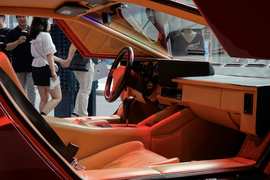
The interior of the 2005 Lotus Elise is a testament to Lotus’s commitment to minimalism. The car is designed to be a pure driving machine, and the interior reflects this philosophy. The cockpit is sparse, focusing on function over luxury. While some critics pointed to the lack of modern conveniences, Lotus argued that these were necessary compromises to keep the car lightweight and agile.
Stripped-Down Simplicity
The Elise’s interior is not luxurious, but it is functional. The seating is upright, with the driver positioned low to the ground. This seating position provides excellent visibility and a sense of connection to the road. The car has a fixed rear roof hoop with a rear window, providing protection while maintaining a light and airy feel.
The Touring Pack: A Concession to Comfort
Lotus does offer a Touring Pack that includes leather seat faces, power windows, an upgraded stereo, and additional carpeting. However, many enthusiasts felt that these options compromised the car’s purist ethos. Hand-crank windows and minimal carpeting are entirely appropriate for a car focused on performance and lightweight engineering.
The Sport Pack: For the Track Enthusiast
For those who plan to use the Elise on the track, the Sport Pack is the logical choice. It includes firmer springs, more adjustable dampers, and performance tires. This option is designed for drivers who demand the ultimate level of performance and control from their Elise.
The Evolution of the Lotus Elise
The 2005 Lotus Elise represented a significant turning point for the brand. It was the first Lotus designed to meet U.S. safety standards, requiring a substantial redesign to ensure occupant safety. The Elise’s bonded aluminum tub provides a rigid and protective structure, ensuring the safety of occupants even in a low-speed crash.
Meeting U.S. Regulations
Meeting U.S. regulations posed a significant challenge for Lotus. The car’s original design was focused on lightweight and driving dynamics, not crash safety. Lotus had to adapt the Elise to meet U.S. standards without compromising its core philosophy. The addition of airbags, seatbelt pre-tensioners, and a reinforced chassis were necessary to comply with regulations, but Lotus managed to integrate these features without making the car feel heavy or compromised.
The Digital Shift in Performance Cars
The 2005 Lotus Elise was one of the last great sports cars that relied on mechanical grip and driver skill rather than electronic driver-assist systems. In the years that followed, more manufacturers adopted traction control and electronic stability control, making performance cars easier to drive but often sacrificing the engagement and feedback that enthusiasts craved. The Elise’s success demonstrated that there was a market for pure, driver-focused sports cars, even in an era where electronics were becoming the dominant force in automotive engineering.
The Legacy of the 2005 Lotus Elise
The Lotus Elise remains a benchmark for lightweight sports car engineering. Its success in the U.S. market proved that there was a demand for pure, minimalist sports cars that prioritize driving dynamics over luxury and comfort. The car’s lightweight construction, responsive handling, and driver-focused interior set a new standard for performance cars and continue to influence modern automotive design.
A Legacy of Pure Driving
The Elise’s legacy extends beyond its technical achievements. It represents a philosophy of engineering that values driver engagement and connection to the road. In a world where cars are becoming increasingly automated, the Elise reminds us of the simple joy of driving a lightweight, responsive sports car.
Impact on the Automotive Industry
The Lotus Elise’s success forced traditional automakers to rethink their approach to performance cars. By demonstrating that there was a market for lightweight sports cars, Lotus spurred innovation in the compact sports car segment and pushed manufacturers to develop more driver-focused vehicles.
Conclusion
The 2005 Lotus Elise was