
2026 Kia Telluride Hybrid Versus 2026 Hyundai Palisade Hybrid: Evaluating Performance Differences in Modern SUVs
The automotive landscape of 2026 is characterized by a robust focus on efficiency, advanced technology, and refinement in the family-oriented three-row SUV segment. For consumers navigating the competitive market, the choice between the 2026 Kia Telluride Hybrid and the 2026 Hyundai Palisade Hybrid presents a compelling case of sibling rivalry. These SUVs, built on the same foundational platform, share core architecture, wheelbase specifications, and powertrain components. This structural parity, while ensuring consistent performance, also creates distinct challenges for the designers at both Hyundai and Kia to establish unique identities for their respective offerings. This analysis delves into a comprehensive comparison of these two automotive counterparts, specifically focusing on real-world driving experiences, performance metrics, and the nuances that differentiate them despite their shared heritage.

Architectural Similarity and Design Divergence
Kia and Hyundai, subsidiaries of the South Korean automotive giant Hyundai Motor Group, leverage the same highly successful platform to develop both the Telluride and the Palisade. This strategic decision allows for economies of scale in manufacturing, reduced research and development costs, and the seamless integration of shared technologies. The wheelbase for both models measures 116.9 inches, and their overall length is nearly identical, ranging from 199.2 to 199.4 inches, depending on the configuration. The width hovers around the 78-inch mark, contributing to a stable and planted stance on the road. These measurements dictate the significant interior volume that makes both vehicles attractive propositions for families requiring ample passenger and cargo capacity.
However, despite these shared dimensions and underpinning architecture, the design philosophy diverges significantly between the two vehicles, creating distinct aesthetic appeals that cater to different consumer preferences. The Kia Telluride has consistently been positioned as the rugged, adventure-oriented option. Its styling typically incorporates sharp lines, aggressive front-end treatments, and a silhouette that evokes a sense of capability and resilience. In contrast, the Hyundai Palisade leans into a softer, more refined, and arguably luxurious aesthetic. The design often features softer curves, chrome accents, and a more contemporary, premium appeal. This design dichotomy is the primary differentiator for consumers seeking to distinguish between these two mechanically similar SUVs, allowing them to choose the vehicle that best aligns with their personal style and perceived lifestyle.
Powertrain Efficiency and Environmental Considerations
Both the 2026 Kia Telluride Hybrid and the 2026 Hyundai Palisade Hybrid are powered by an identical powertrain configuration, which plays a significant role in their performance and fuel economy characteristics. Under the hood, both vehicles feature a 2.5-liter turbocharged four-cylinder engine that serves as the primary power source. This engine is mated to a hybrid system that includes two electric motors, providing supplemental power and regenerative braking capabilities.
The total output of this powertrain is a combined 329 horsepower and 339 lb-ft of torque. This power is delivered through a six-speed automatic transmission, which directs the force to the wheels. Both models offer all-wheel drive (AWD) configurations, enhancing traction and stability in varying road conditions.
In terms of environmental impact and fuel economy, both vehicles deliver respectable efficiency for their size, but the Kia Telluride Hybrid holds a marginal advantage. The Kia is rated at 30 miles per gallon in the city, 32 miles per gallon on the highway, and a combined rating of 31 miles per gallon. The Hyundai Palisade Hybrid, on the other hand, is rated at 29 miles per gallon in the city, 30 miles per gallon on the highway, and a combined rating of 29 miles per gallon.
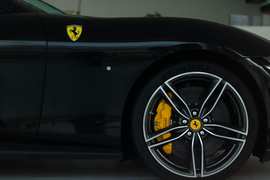
Industry experts attribute this slight performance gap primarily to the differences in wheel and tire sizing. The 2026 Kia Telluride Hybrid is equipped with 20-inch wheels, while the 2026 Hyundai Palisade Hybrid utilizes 21-inch wheels. Larger wheels generally require more energy to accelerate and maintain momentum, resulting in slightly lower fuel efficiency. Despite this minor difference, both vehicles represent significant strides in reducing the environmental footprint of large, family-friendly SUVs, aligning with the growing consumer demand for fuel-efficient vehicles in 2026. For buyers prioritizing fuel economy, the Kia Telluride Hybrid emerges as the more efficient choice.
Interior Design and Passenger Experience
The passenger experience within both the 2026 Kia Telluride Hybrid and the 2026 Hyundai Palisade Hybrid is heavily influenced by their interior design and the specific features available. While both vehicles offer three rows of seating, accommodating up to seven passengers, the configuration and the emphasis on luxury and convenience vary. Both models typically come equipped with second-row captain’s chairs as standard, a configuration that provides enhanced comfort, individual armrests, and easier access to the third row.
The interior of the Kia Telluride Hybrid is often described as adopting a minimalist, midcentury modern aesthetic. Materials quality is consistently praised, with supple leathers, premium Alcantara headliners, and wood-look trim that contributes to a feeling of luxury and sophistication. One notable design choice in the Telluride is the limited use of physical controls for the climate system. The center console features just four buttons for HVAC functions, with the majority of controls integrated into a panel situated between the driver’s instrument cluster and the infotainment screen. This placement, while clever from a design perspective, can be awkward to use due to the restricted viewing angle from the driver’s seat and the stretching required from the front passenger.
The interior of the Hyundai Palisade Hybrid adopts a different approach, aiming to create a more welcoming and luxurious environment. It is often compared to a home’s living room rather than an airliner cockpit, emphasizing a feeling of escape and comfort. The design is less minimalist than the Telluride, offering a warmer and more contemporary interpretation of luxury.
A key differentiator in the passenger experience is the control layout of the HVAC system. In the Palisade, all climate functions are grouped together in a unified cluster that is easily accessible to both the driver and the front passenger. While the capacitive touch controls can feel slightly crowded at times, we found this setup to be more intuitive and user-friendly than the Telluride’s distributed approach. Additionally, the Palisade includes both volume and tuning knobs, whereas the Telluride only provides the former, offering a tactile advantage for media control.
Convenience features also vary slightly. Both SUVs offer three conveniently placed USB-C ports in the cabin, but the Telluride includes a second wireless charging pad in addition to the single pad found in the Palisade. The Hyundai counters with a unique feature: a UV-C sterilization compartment in the center console designed to sanitize phones, keys, and wallets in approximately 10 minutes, a capability not offered by the Kia.
Rear Seat Accessibility and Versatility
Accessibility and versatility of the third row are crucial considerations for families when choosing a three-row SUV. Both the 2026 Kia Telluride Hybrid and the 2026 Hyundai Palisade Hybrid provide relatively easy access to the third row, thanks to the implementation of push-button electric slide mechanisms for the second-row seats. This technology allows for one-touch folding and sliding, which is particularly convenient when loading passengers or cargo.
In both models, the opening between the C-pillar and the second-row seat is wide enough for most adults to maneuver into the third row. Once seated, legroom is respectable for the class. However, the Palisade Hybrid holds a distinct advantage in terms of third-row versatility. The Palisade offers both power recline and sliding adjustment for the third row, allowing passengers to optimize their seating position for comfort during longer journeys. While this flexibility may reduce cargo space when the third row is occupied, it significantly enhances passenger comfort.
The power recline functionality is accompanied by an added layer of convenience: the third row is also power-folding. This feature simplifies the process of creating maximum cargo space, as the seat folds flat at the touch of a button. The Telluride, on the other hand, utilizes a manual strap system for both folding and re-engaging the third row. While not difficult, it lacks the automated convenience offered by the Palisade.
It is crucial to note that the power-folding seats in both models have been the subject of recalls. These recalls were prompted by tragic incidents involving children, leading Hyundai and Kia to implement stop-sale measures and recall existing vehicles. Buyers should verify the latest safety updates and recall status before purchasing these models.
Cabin Technology Integration
Modern families rely heavily on integrated cabin technology, and the 2026 Kia Telluride Hybrid and the 2026 Hyundai Palisade Hybrid deliver state-of-the-art solutions in this regard. The core of their technology offerings is essentially the same, leveraging shared Hyundai Motor Group components. This includes a dual 12.3-inch display setup, with one screen dedicated to the driver’s instrument cluster and the other serving as the central infotainment hub.
Wireless Apple CarPlay and Android Auto come standard on both vehicles, providing seamless smartphone integration. Integrated navigation systems and head-up displays are also standard features, offering drivers essential information without diverting attention from the road. Additionally, both SUVs feature seven USB-C ports distributed across all three rows, ensuring that all passengers have access to charging and connectivity. Massage functions for the front seats and digital key technology are also available in both models, further enhancing convenience and comfort.
Despite the shared technological foundation, there are subtle differences in the specific features offered. The Kia Telluride Hybrid boasts built-in streaming applications, such as YouTube, Disney+, and even live TV, which can be viewed on the main screen when the vehicle is parked. This provides a premium entertainment option for passengers waiting during downtime. The Palisade Hybrid counters