
The Tokyo Takeover: A Sonic Celebration on the Closed KK Line
For those of us whose professional lives are dedicated to understanding the nuances of automotive culture, the Tokyo Auto Salon and Osaka Auto Messe are practically pilgrimages. They are vital nodes on the global calendar, offering a definitive snapshot of what defines Japanese automotive passion. For years, these shows have been the standard-bearers, defining the landscape of Japanese car culture. However, 2026 introduced a paradigm shift. The traditional pilgrimage was augmented by an unexpected, visceral, and entirely breathtaking experience: the debut of Luftgekühlt Tokyo.
This wasn’t merely another stop on the international automotive circuit; it was a full-scale cultural insurrection, orchestrated on one of Tokyo’s most historically resonant—and ironically desolate—pieces of infrastructure: the closed KK Line. This elevated stretch of decommissioned highway, once a vital conduit for traffic between Tokyo’s Kyobashi and Shimbashi districts, was transformed into an extraordinary, single-day exhibition space. The air that once carried the drone of engines and the hustle of commerce was now saturated with the unmistakable thrum of air-cooled Porsches.
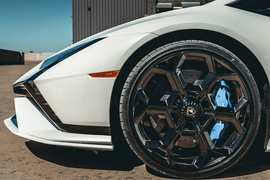
The scale of the operation was staggering. The event featured approximately 220 meticulously curated automobiles, and drew an estimated 11,600 attendees. It was an exercise in transformation, repurposing a forgotten arterial of the city into a dynamic stage for one of the most influential automotive subcultures in the world. The result was a celebration that simultaneously paid homage to Porsche’s storied past while ushering in a new chapter for the brand in Japan.
The Precision of the Platinum Event
Luftgekühlt (which literally translates to “air-cooled”) has always been defined by its uncompromising selection process. This is not a public car show; it is a curated assembly. Every vehicle in the Luft Tokyo 2026 lineup had to pass a rigorous vetting committee, ensuring that only the most significant and historically relevant examples of German engineering were granted a place on the closed roadway. The result was a spectrum of automotive excellence, ranging from legendary motorsport icons to bespoke, street-legal custom builds that push the boundaries of what’s possible in the world of tuning and customization.
One of the most captivating displays was the No. 28 Porsche 910, piloted by none other than the legendary Tetsu Ikuzawa. This particular 910 holds a unique place in Japanese racing history, having secured a remarkable second-place finish overall and securing first in class at the 1968 Japanese Grand Prix. Its presence on the KK Line served as a tangible link to a golden era of motorsport, a reminder of the era when Porsches first carved their name into the heart of global racing with their revolutionary air-cooled engine technology.
While the heritage racers provided the visual spectacle, the street cars offered a compelling glimpse into the current car tuning culture in Japan. Among these, the Auto Garage TBK demonstration car stood out as a masterclass in modern modification. It was a machine that looked as though it belonged on that elevated highway, exuding a muscular presence that belied its precision engineering. It wasn’t there to showcase raw speed, but to demonstrate the artistry of high-end customization, a perfect marriage of performance and aesthetics that defines the Japanese automotive scene.
Beyond the Shine: A Day-to-Night Transformation
For a car enthusiast, the sheer presence of 220 air-cooled Porsches filling a historic highway is enough to justify the journey. But what elevated Luftgekühlt Tokyo from a mere exhibition to an unforgettable cultural event was the deliberate and transformative shift from day to night. The organizers effectively split the event into two distinct experiences, leveraging the unique atmospheric shift that only Tokyo can deliver.
By day, the Luft Tokyo event was a masterclass in exhibition design. The KK Line, with its concrete expanse stretching beneath the city’s neon skyline, was transformed into a pristine gallery. The vehicles were presented under the bright midday sun, allowing for clear inspection of every curve, panel gap, and modification. Attendees moved through the ranks of Porsches with a sense of organized reverence, the quiet hum of conversations occasionally breaking the polite silence. The focus was on appreciation, preservation, and the technical details that make these cars so exceptional.
As the sun began to set, however, the air-cooled Porsche culture underwent a dramatic metamorphosis. The KK Line transitioned from a showcase to an immersive, clandestine gathering. The organizers deployed a sophisticated lighting scheme that illuminated the cars from below, casting dramatic shadows and accentuating the curves of the Porsches. The crowd swelled, and the atmosphere became decidedly more intimate and energetic. The hushed reverence gave way to a convivial buzz, with groups congregating in the evening air to discuss modifications, share stories, and simply soak in the unique energy of the scene.
This day-to-night dynamic was particularly poignant for attendees like Mark Arcenal, the founder of Illest and Fatlace, two brands deeply ingrained in the global automotive and street culture landscape. Arcenal’s reflections underscore the rarity of the experience.
“Luft Tokyo was a once-in-a-lifetime experience that I don’t think will ever be duplicated as that area of freeway will turn into retail and a park, I believe,” Arcenal stated during the event. “Glad to experience it and see some of the coolest cars around Tokyo.”
His assessment captures the essence of the event’s exclusivity. The KK Line, while a public infrastructure, was temporarily transformed into a private domain for this specific cultural moment. The fact that the area is slated for redevelopment only amplified the feeling that attendees were witnessing something fleeting, a historic intersection of technology, urban planning, and automotive passion that may never recur in the same way.
The Synthesis of Speed and Space: A New Venue Standard
The decision to host Luftgekühlt Tokyo on the KK Line was not arbitrary; it was a strategic stroke of genius. By securing a closed, elevated highway, the organizers achieved a level of exclusivity and drama that is difficult to replicate. This is a space traditionally reserved for commerce and transit, not for a celebration of air-cooled German engineering. The contrast between the sleek lines of the Porsche automobiles and the utilitarian concrete infrastructure created a visual tension that was both striking and unique.
The elevation of the event added another layer of distinction. Being above the city streets, away from the mundane rhythm of everyday life, allowed attendees to immerse themselves fully in the experience. It provided a panoramic backdrop of the Tokyo skyline, a juxtaposition of the old world of German automotive heritage with the hyper-modernity of Japan’s capital. This setting allowed the vehicles to stand out not just against each other, but against one of the world’s most iconic cityscapes.
Furthermore, this unconventional venue provided a level of freedom not usually afforded to tuning events. Without the constraints of public roads, vehicles could be positioned for optimal viewing, photographed from unique angles, and even operated within a controlled environment to showcase their air-cooled engine performance. The space allowed for an expansive layout that accommodated the large number of vehicles and the significant attendance without feeling cramped or overcrowded.
Cultural Resonance: German Engineering Meets Japanese Precision
The arrival of Luftgekühlt in Tokyo marked a significant moment in the global recognition of Japanese automotive culture. For years, the air-cooled Porsche scene has flourished in Japan, driven by a generation of enthusiasts who appreciate the history, engineering, and artistry of these vehicles. The event provided a platform for these enthusiasts to showcase their passion to an international audience, while also allowing international enthusiasts to experience the unique flavor of Porsche culture in Japan.
The Japanese car market is characterized by its obsession with detail and precision. This philosophy is evident in the meticulous care given to these classic Porsches, many of which have been painstakingly restored or customized by some of the best garage artisans in the country. The event showcased not only the cars themselves, but also the dedication of the people who maintain them. From the pristine finishes of the restored race cars to the bespoke modifications of the street builds, Luft Tokyo served as a testament to the high standards of the Japanese automotive scene.
The Legacy of a Single Day
As the sun rose the next morning, the KK Line had returned to its quiet state, the echoes of the previous day’s celebration fading into the urban cacophony. The cars had scattered, the crowds had dispersed, and the temporary stage was dismantled. Yet, the impact of Luftgekühlt Tokyo will undoubtedly reverberate through the automotive community for years to come.
By creating an event that was part exhibition, part street party, and part cultural festival, Luftgekühlt successfully redefined what an automotive event can be. It moved beyond the traditional constraints of show calendars and venue limitations to create something truly unique. The combination of a historically significant location, a carefully curated selection of air-cooled Porsche automobiles, and an experience that evolved from day to night provided something distinct and memorable.
Luftgekühlt Tokyo 2026 stands as a landmark moment in the global celebration of air-cooled Porsche culture. It was an event that demonstrated the enduring appeal of these iconic machines, the creativity of the tuning community, and the unique vibrancy of the Japanese automotive scene. As the industry continues to evolve, and as urban spaces are continuously repurposed, the legacy of this event will serve as a reminder of what is possible when the worlds of tuning and customization collide with history, innovation, and a touch of audacity.
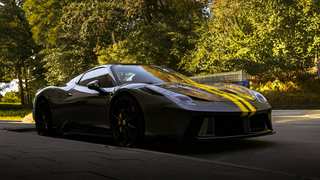
For automotive enthusiasts, the memory of the evening sky as Porsches filled the highway and the rhythmic bass of the sound system echoed through the city will linger long after the last car has been tucked away in a garage. It