
Luftgekühlt Tokyo: When Japanese Style Met German Engineering on a Closed Highway
As a ten-year veteran of the automotive industry, I’ve seen plenty of ground-breaking car shows. I’ve witnessed iconic events like SEMA, Caffeine & Octane, and Luftgekühlt’s legendary L.A. shows. Yet, none prepared me for the sheer magic of the first-ever Luftgekühlt Tokyo. This wasn’t just a car show; it was a cultural event that married the meticulous engineering of air-cooled Porsche with the avant-garde aesthetics of Japan, set against one of Tokyo’s most historically significant stages.
The automotive landscape in Japan is traditionally defined by organized showcases like the Tokyo Auto Salon and the Osaka Auto Messe. These events are essential pilgrimages for enthusiasts, combining high-octane performance demonstrations with the allure of futuristic automotive concepts. Alongside these industry behemoths, Japanese car culture is sustained by smaller, more intimate gatherings in iconic garages, often punctuated by indulging in Japan’s legendary convenience store cuisine—the famchiki being a personal favorite, I must admit. However, 2026 marked a seismic shift in this landscape. The air-cooled Porsche scene converged on the heart of the capital, transforming a former stretch of city infrastructure into a sanctuary for German engineering.
The Venue: A Decommissioned Highway Becomes an Iconic Stage
The choice of location for Luftgekühlt Tokyo was nothing short of genius. The event took place on the now-decommissioned KK Line, an elevated expressway that once served as a vital artery connecting Tokyo’s Kyobashi and Shimbashi districts. For decades, this highway carried the relentless flow of commuter traffic, a metallic river of commuters traversing the bustling metropolis. But on this day, the highway was reborn. It transitioned from a functional piece of infrastructure to a stunning exhibition space, hosting approximately 220 air-cooled Porsches and welcoming an astonishing 11,600 attendees.
This venue choice fundamentally altered the user experience. It offered a completely different perspective on both Tokyo and the history of Porsche. Standing on the elevated roadway, attendees were literally elevated above the city, creating a surreal dichotomy of old and new, engineering and urbanization. What once symbolized the relentless pace of modern life was transformed into a serene sanctuary for automotive enthusiasts to connect and celebrate a shared passion. The scale of the event was breathtaking, filling the decommissioned highway with the sleek curves and iconic silhouettes of air-cooled Porsches, creating a visual spectacle that was simultaneously intimate and grand.
A Curation of Automotive History
As expected from a Luftgekühlt Tokyo event, the selection of cars was impeccable. The lineup featured an extraordinary mix of legendary race cars and wild street builds, reflecting the diverse and vibrant nature of the air-cooled Porsche scene in Japan. Walking along the KK Line felt like stepping through a chronological history of Porsche’s pioneering spirit.
One of the most significant highlights of the event was the No. 28 Porsche 910, driven by the legendary Tetsu Ikuzawa. This historic race car, known for its runner-up finish at the 1968 Japanese Grand Prix, was a stunning tribute to Japan’s racing heritage. Seeing this legendary machine at the event was a surreal experience, bridging the gap between past and present. It was a powerful reminder of the indelible mark Porsche left on Japanese motorsport, a history that continues to inspire enthusiasts and racers alike.
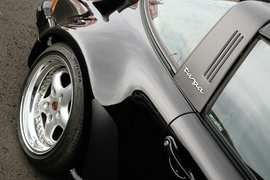
For fans of street-tuned Porsches, the Auto Garage TBK demo car was arguably the star of the show. This beautifully crafted build looked perfectly at home on the KK Line, posing instead of blurring by on a high-speed run. It represented the pinnacle of Japanese tuning culture, where form meets function in perfect harmony. The attention to detail, the choice of colors, and the overall stance of the car embodied the spirit of the air-cooled Porsche community—a community that celebrates both performance and aesthetics.
Beyond the main attractions, the Luftgekühlt Tokyo lineup was filled with hidden gems. There were countless modified air-cooled 911s, classic 356 models, and other rare air-cooled variants that sparked conversations and admiration among the attendees. The event provided a platform for owners to share their passion and for enthusiasts to appreciate the craftsmanship and dedication that goes into restoring and modifying these iconic machines. The German air-cooled Porsche community in Japan has always been strong, and this event was a testament to its growth and evolution.
The Transformation: From Day to Night
One of the most innovative aspects of Luftgekühlt Tokyo was the decision to extend the event into the night. As the sun began to set, the atmosphere transformed completely. What started as a clean, gallery-like showcase evolved into the kind of underground after-dark experience that only Tokyo could deliver. The lighting changed, the sounds of the city faded, and the event took on a more intimate and exclusive feel.
Illest and Fatlace founder Mark Arcenal was in attendance and expressed his awe at how the event unfolded. “Luft Tokyo was a once-in-a-lifetime experience that I don’t think will ever be duplicated as that area of freeway will turn into retail and a park, I believe,” Arcenal shared. “Glad to experience it and see some of the coolest cars around Tokyo.”
Arcenal’s sentiment echoed the feelings of many attendees. The Luftgekühlt Tokyo experience was truly unique. By combining a historically significant location with a carefully curated mix of cars and an experience that evolved from day to night, the event offered something distinct from Japan’s traditional auto show calendar. It was a celebration of both car culture and urban exploration, a rare opportunity to experience Tokyo in a way that few ever get to.
The Impact on the Air-Cooled Porsche Community
The success of Luftgekühlt Tokyo signaled a significant milestone for the global air-cooled Porsche community. It demonstrated the growing influence of Japanese culture on automotive trends and the increasing demand for unique and exclusive automotive experiences. The event not only showcased the incredible talent and dedication of the Japanese Porsche community but also strengthened the ties between Porsche enthusiasts from around the world.
The German air-cooled Porsche scene is built on a shared passion for innovation, performance, and heritage. Luftgekühlt Tokyo provided a platform for this community to come together, celebrate their shared love for these iconic cars, and create new memories that will last a lifetime. It was an event that went beyond just showing off cars; it was about building a community and fostering a sense of belonging among Porsche enthusiasts.
What’s Next for Luftgekühlt Tokyo?
As the Porsches finally scattered into the night and the KK Line returned to its eerily dormant state, it was back to the konbini for a famchiki, or two. The event was over, but its legacy will undoubtedly live on. Luftgekühlt Tokyo set a new standard for automotive events, combining the history and craftsmanship of air-cooled Porsches with the dynamic and vibrant culture of Japan.
The future of Luftgekühlt Tokyo remains uncertain, as the KK Line is slated for redevelopment into a commercial and recreational space. However, the success of this event has undoubtedly paved the way for future collaborations between Luftgekühlt and the Japanese automotive scene. Perhaps we’ll see Luftgekühlt Tokyo return in a new form, or maybe we’ll see other international events that blend Porsche culture with local cityscapes.
As a long-time industry insider, I’ve always believed that the most memorable automotive experiences are the ones that push boundaries and challenge conventions. Luftgekühlt Tokyo did exactly that, transforming a forgotten stretch of highway into a symbol of automotive passion and community. It was a testament to the enduring legacy of air-cooled Porsches and the vibrant spirit of the Japanese automotive community. This event will be remembered as a landmark moment in the history of Porsche culture, a fleeting moment in time where engineering met art on the streets of Tokyo.
The Enduring Appeal of Air-Cooled Porsches
The allure of air-cooled Porsche models is no secret. These iconic cars, characterized by their unique sound, feel, and engineering, have captured the hearts of enthusiasts for decades. The German air-cooled Porsche scene in Japan, in particular, has a strong following, with a deep appreciation for the craftsmanship, heritage, and performance of these classic machines. Luftgekühlt Tokyo provided a platform for this community to celebrate their shared passion and connect with other enthusiasts from around the world.
The attention to detail in the Auto Garage TBK demo car and the presence of the No. 28 Porsche 910 were just a few examples of the caliber of cars showcased at the event. Attendees were treated to a stunning display of rare and iconic Porsches, each with its own story and history. The air-cooled Porsche community in Japan has always been passionate about these cars, and Luftgekühlt Tokyo was a testament to the growth and evolution of this community.
For those seeking to experience the best of both worlds, Luftgekühlt Tokyo offered a unique blend of German engineering and Japanese culture. It was an event that went beyond just showing off cars; it was about building a community and fostering a sense of belonging among Porsche enthusiasts. As the KK Line returns to its dormant state, the memories of Luftgekühlt Tokyo will undoubtedly live on, a testament to the enduring appeal of air-cooled Porsches and the vibrant spirit of the Japanese automotive community.
What Makes Luftgekühlt So Special?