



Advancing Automotive Safety: A Deeper Dive into the IIHS Whiplash Protection Test and What it Means for SUV Buyers in 2025
The pursuit of enhanced automotive safety is a constant endeavor, and the Insurance Institute for Highway Safety (IIHS) remains at the forefront of this critical mission. For years, their “Top Safety Pick” and “Top Safety Pick+” awards have served as benchmarks for automakers and invaluable guides for consumers navigating the complex world of vehicle purchases. However, safety standards are not static; they evolve as our understanding of crash dynamics deepens and technological advancements emerge. This is precisely why the IIHS recently reintroduced and significantly refined its evaluation of whiplash protection in SUVs, a crucial aspect of occupant safety that impacts millions of drivers across the nation.
As an industry expert with a decade of experience in automotive safety and consumer trends, I’ve witnessed firsthand the evolution of crash testing and the profound impact these assessments have on vehicle design and public perception. The IIHS’s updated whiplash test is not merely a tweak to an existing protocol; it represents a significant leap forward in understanding and mitigating the risks associated with rear-end collisions, particularly within the increasingly popular SUV segment. For those considering a new 2025 SUV, understanding these advancements is paramount to making an informed decision that prioritizes your well-being.
The Evolution of Whiplash Testing: From Complacency to Critical Re-evaluation
It’s important to understand the context behind this renewed focus. Back in 2022, the IIHS had, in a sense, “graduated” the automotive industry on the previous iteration of its whiplash test. The vast majority of vehicles subjected to the older protocol were achieving top marks, leading the institute to suspend further testing in this specific area. The assumption, perhaps, was that vehicle manufacturers had adequately addressed the potential for whiplash injuries.
However, real-world data, often gathered through insurance claims analysis by organizations like the Highway Data Loss Institute (HDLI), painted a different picture. Despite excellent scores in the previous test, a discernible variation in whiplash-related insurance claims persisted across different vehicle models. This disparity indicated that the original test, while effective for its time, was no longer sensitive enough to differentiate subtle yet critical differences in seat and head restraint design that contributed to occupant protection in rear-end impacts. This realization sparked the need for a more rigorous and nuanced evaluation, leading to the development of the new IIHS whiplash protection test.
Decoding the New IIHS Whiplash Protection Test: Precision and Predictive Power
The revamped IIHS whiplash test aims to provide a more accurate and predictive assessment of how well a vehicle’s seat and head restraint system can prevent or mitigate neck injuries in a rear-end collision. This is crucial because whiplash, a common consequence of such impacts, can result in debilitating long-term pain and mobility issues. The updated methodology addresses several key areas that were not adequately captured by the previous standard.
The core of the IIHS’s approach involves simulating rear-end crashes using a specialized sled system. A dummy, equipped with an articulated spine to mimic human anatomy, is secured in the vehicle’s seat. The sled is then accelerated to replicate the forces of a rear-end impact. However, the new test incorporates several critical enhancements:
Expanded Impact Speeds: The previous test primarily focused on a single impact speed. The updated evaluation now incorporates tests at both 20 mph and 30 mph, reflecting a broader range of real-world rear-end collision scenarios. This allows for a more comprehensive understanding of how seat and head restraint systems perform under varying levels of force.
Advanced Measurement Metrics: Beyond simply observing the dummy’s movement, the IIHS now employs sophisticated sensors to capture a more detailed array of data. Key measurements include:
Time to Head Restraint Contact: How quickly the dummy’s head makes contact with the head restraint.
T1 Vertebra Acceleration: The acceleration experienced by the last vertebra in the upper spine, where it connects to the neck. This is a critical indicator of the forces transmitted to the cervical spine.
Pelvic Displacement Relative to Head: This novel metric measures how the occupant’s pelvis moves in relation to their head during the impact. In an ideal scenario, the occupant should sink into the seatback, maintaining a consistent relative position between these two body parts. Excessive separation or a lack of synchronized movement can indicate inadequate support.
Head-to-Neck Bending Force: The new test also quantifies the tilting or bending force exerted on the head relative to the neck. This highlights how well the seat and head restraint system manage the dynamic forces acting on the cervical spine.
Head Restraint Effectiveness: The IIHS emphasizes the importance of proper head restraint positioning. For optimal protection, the head restraint should contact the occupant’s head near the center of gravity. Contacting too high can lead to the chin tilting down, while contact too low can cause the head to be forced back and up, both potentially exacerbating neck injuries. The new test specifically evaluates the head restraint’s ability to guide the head into a safe position.
The ultimate goal of these refined measurements is to provide a more holistic view of head and spine support, the critical interaction between the occupant’s head and the head restraint, and the seat’s capacity to absorb and dissipate crash energy. A “Good” rating in this new test signifies a seat design that effectively maintains head and spine alignment, allows the neck to retain its natural curvature, and ensures the head restraint is optimally positioned to cushion the impact.
Initial Findings: A Closer Look at 18 Small SUVs
For the debut of this significantly enhanced evaluation, the IIHS put 18 popular small SUVs through their paces. The results offer valuable insights for consumers in the market for a new vehicle, particularly those prioritizing safety in this increasingly competitive segment. It’s worth noting that most of the vehicles tested were 2025 models, with the majority also qualifying for the 2026 model year due to minimal changes.
The IIHS employs a four-tier rating system: Good (best), Acceptable, Marginal, and Poor (bottom).
The Elite Performers: Vehicles Earning a “Good” Rating
It’s a testament to their engineering that a select group of vehicles managed to achieve the highest possible rating, demonstrating excellent protection across nearly all evaluated metrics at both impact speeds. These models represent the current pinnacle of whiplash protection within the small SUV class:
2025 Audi Q3: The Q3’s robust engineering and thoughtful seat design have placed it among the leaders in this critical safety category.
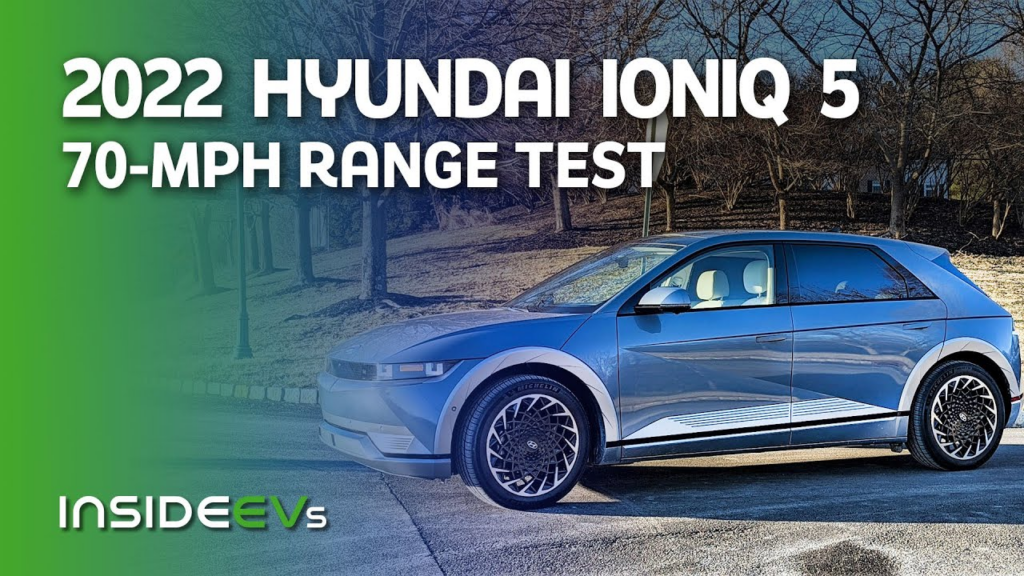
2025-26 Hyundai Ioniq 5: This all-electric marvel not only excels in performance and technology but also provides exceptional whiplash protection, underscoring the viability of advanced safety in EVs.
2025-26 Subaru Forester: Known for its steadfast commitment to safety, the Forester continues to impress with its strong performance in the latest IIHS tests.
2025 Toyota RAV4: A perennial favorite in the compact SUV segment, the RAV4 demonstrates that reliability and top-tier safety can go hand-in-hand.
These vehicles have set a high bar, and their success in this stringent test offers significant peace of mind to potential buyers.
Solid Performers: Vehicles Achieving an “Acceptable” Rating
A larger group of vehicles earned an “Acceptable” rating, indicating they provided good protection but faltered slightly in one or more areas compared to the top-tier performers. These are still solid choices, but consumers might want to consider the specific areas where they could see marginal improvements:
2025-26 Buick Encore GX: A well-rounded option that offers commendable safety features.
2025-26 Chevrolet Equinox: The Equinox proves its mettle with a respectable performance in the updated whiplash test.
2024-25 Honda CR-V: Despite being a 2024 model, the CR-V’s seat design still holds up well, though minor improvements could elevate its status.
2025-26 Jeep Compass: The Compass offers a balanced approach to safety, securing a good rating in this crucial test.
2025-26 Kia Sportage: A popular choice that continues to prioritize occupant safety with its seat and head restraint systems.
2025 Mercedes-Benz GLB: The GLB demonstrates that luxury and advanced safety are not mutually exclusive.
2025-26 Mitsubishi Outlander: The Outlander provides a safe and practical option for families, as indicated by its “Acceptable” rating.
2025-26 Volkswagen Taos: The Taos offers a compelling package of value and safety, earning a respectable score.
2025-26 Volvo XC40: Volvo’s reputation for safety is further reinforced by the XC40’s strong showing in this advanced whiplash evaluation.
Areas for Improvement: Vehicles Rated “Marginal”
These vehicles exhibited more noticeable flaws in their whiplash protection systems, indicating areas where manufacturers can and should implement improvements. While not a “Poor” rating, these results warrant careful consideration:
2025 BMW X1: A surprise performer here, the X1 could benefit from enhancements to its head restraint geometry or seat bolstering.
2025-26 Nissan Rogue: The Rogue’s performance suggests opportunities for optimization in how its seat and head restraint interact during a rear-end impact.
Significant Concerns: Vehicles Receiving a “Poor” Rating
The vehicles that received a “Poor” rating failed to meet the minimum standards in all three critical measures of the new whiplash test, performing particularly poorly in at least one area. Their chief deficiency was an inability to adequately limit head movement relative to the spine, a direct contributor to whiplash injuries. These results should be a strong signal to manufacturers to urgently address design flaws.

2025-26 Ford Bronco Sport: This off-road oriented SUV, while popular, has significant room for improvement in its whiplash protection.
2025-26 Hyundai Tucson: Given the strong performance of the Ioniq 5, the Tucson’s “Poor” rating is particularly noteworthy and suggests a disconnect in safety design philosophy within the brand for this particular model.
2025-26 Mazda CX-50: Mazda, known for its driving dynamics, needs to re-evaluate its approach to whiplash protection in the CX-50.
The inclusion of these vehicles highlights the fact that even well-established brands can have models that fall short in specific safety areas. This underscores the importance of detailed testing like that conducted by the IIHS.
High-CPC Keyword Integration: Navigating the SUV Market with Safety and Value in Mind
For consumers actively researching their next vehicle, understanding the nuances of safety ratings is intertwined with factors like best SUV for families, safest compact SUVs, and affordable SUVs with top safety ratings. When considering a new SUV purchase, the IIHS whiplash test results are a crucial data point. For those in major metropolitan areas or actively searching for specific vehicles, local search intent keywords like “SUV safety ratings Chicago” or “2025 Subaru Forester dealer near me” become relevant.
Furthermore, the cost of vehicle ownership extends beyond the initial purchase price to include potential repair costs and insurance premiums. Vehicles that demonstrate superior safety, especially in areas like whiplash protection, may benefit from lower car insurance premiums over their lifetime. Therefore, when researching new SUV models, paying attention to IIHS ratings can indirectly influence your overall car cost of ownership.
The best small SUVs often balance performance, utility, and, most importantly, safety. The IIHS whiplash test specifically helps delineate which of these popular models offer superior protection against a common type of injury. For consumers focused on long-term value, understanding that a vehicle with a “Good” rating in whiplash protection might mean fewer costly medical visits and repairs down the line is a significant consideration. This is why terms like SUV safety technology and advanced driver-assistance systems (ADAS) are increasingly important in the conversation, with whiplash protection being a fundamental component of overall vehicle safety standards.
Looking Ahead: The Future of Automotive Safety and Consumer Choice
The IIHS’s commitment to evolving its testing protocols is a clear indicator that the pursuit of automotive safety is an ongoing journey. As technology advances and our understanding of injury mechanisms deepens, we can expect further refinements to safety evaluations. For consumers, this means having access to increasingly sophisticated information to make informed decisions.
The 2025 model year SUVs tested in this new whiplash evaluation provide a valuable snapshot of the current landscape. The fact that four models achieved the highest “Good” rating is encouraging, demonstrating that manufacturers are capable of designing vehicles with excellent whiplash protection. However, the results also highlight areas where significant improvement is needed, particularly for those vehicles that received “Marginal” or “Poor” ratings.
As you consider your next SUV purchase, I strongly encourage you to consult the latest IIHS ratings and other reputable safety assessments. Don’t let the allure of style or features overshadow the fundamental importance of occupant protection. A thorough review of safety data, including the nuances of whiplash protection, can significantly contribute to a safer and more confident driving experience.
Ready to make an informed decision about your next vehicle’s safety? Explore the latest IIHS ratings and dive deeper into the safety features that matter most to you. Your peace of mind on the road begins with knowledge.
