

Reviving the Legend: Is the 2026 Toyota Celica Sport the Comeback We’ve Been Waiting For?
The automotive landscape of 2026 is a fascinating paradox. On one hand, we’re witnessing the sunset of legendary nameplates like the fifth-generation Toyota Supra, leaving a void in the hearts of driving enthusiasts. Yet, on the other, Toyota is signaling a bold resurgence, hinting at the return of another iconic moniker: the Celica. Whispers of a new Toyota Celica Sport have been swirling, and recent intelligence suggests this isn’t just wishful thinking—it’s a full-blown revival, potentially featuring an all-wheel-drive (AWD) hybrid powertrain. For those seeking the thrill of a performance hybrid car, the Celica’s potential comeback is electrifying.
For decades, the Toyota Celica wasn’t just a car; it was a cultural phenomenon. From its humble rear-wheel-drive origins in the 1970s to the rally-conquering All-Trac Turbo of the 1980s and 90s, the Celica carved a niche as an accessible, stylish, and surprisingly capable sports coupe. It was a car that brought performance driving to the masses, blending everyday usability with enough sporting DNA to keep enthusiasts engaged. Now, as we navigate the complexities of the mid-2020s, a time defined by electrification and evolving performance metrics, Toyota appears ready to reignite that legacy. The prospect of a modern AWD hybrid sports car carrying the Celica badge raises tantalizing questions about the future of performance motoring. Could this be the vehicle that finally bridges the gap between thrilling driving dynamics and sustainable engineering?
The End of an Era, The Dawn of a New One
The end of the current Toyota Supra generation marks a significant moment for the brand. While the Supra has been a commendable effort, it has arguably struggled to fully capture the zeitgeist of the 2020s. Its reliance on a BMW-sourced platform, while technically proficient, has left some purists longing for a more distinctly Toyota identity. This perceived lack of identity, coupled with evolving market demands, appears to be a key factor in the Supra’s planned retirement by the close of 2026. However, rather than retreating from the performance segment, Toyota seems to be pivoting, leveraging its deep well of engineering expertise to forge a new path. This strategic shift is where the Toyota Celica Sport 2026 enters the picture, potentially offering a fresh take on what a Toyota performance car can and should be.
The decision to revive the Celica nameplate is not without its strategic considerations. Unlike the Supra, which has always occupied the premium end of the sports car spectrum, the Celica has historically represented the accessible performance coupe—a car that delivers driving pleasure without the prohibitive price tag. In a 2026 market increasingly dominated by high-performance EVs and increasingly complex hybrid systems, a revival of the Celica could serve to democratize performance, bringing exciting new technology to a wider audience. Furthermore, the Celica’s storied rally heritage provides a compelling narrative that few other nameplates can match. This historical context is invaluable in an era where brand identity and emotional connection are becoming increasingly important differentiators in the competitive automotive landscape.
Decoding the Powertrain: The Hybrid Turbocharged 2.0-Liter Heartbeat
Perhaps the most electrifying detail emerging from the early rumblings about the 2026 Toyota Celica Sport is the powertrain. Reports from authoritative sources suggest that Toyota is developing a new turbocharged 2.0-liter four-cylinder engine, specifically engineered to underpin its next generation of performance vehicles. This engine, hinted at initially in the mid-engined GR Yaris M concept at the 2025 Tokyo Auto Salon, represents a significant departure from Toyota’s current naturally aspirated offerings in its performance lineup. The adoption of turbocharging and direct injection aligns the Celica with contemporary performance trends, promising increased power density and improved efficiency—two critical attributes in the 2026 market.
The inclusion of a hybrid system alongside this new turbo-four engine is a masterstroke of engineering strategy. Toyota has, in recent years, become a global leader in hybrid technology, demonstrating a remarkable ability to integrate electric propulsion with internal combustion engines in a way that enhances performance rather than simply optimizing fuel economy. This expertise positions Toyota uniquely to deliver a performance hybrid car that is both exhilarating to drive and relatively environmentally responsible. The hybrid system in the Celica Sport will likely comprise a compact electric motor, a relatively small battery pack, and sophisticated power management software. The goal is not to create a plug-in hybrid in the traditional sense, but rather to utilize the electric motor to fill torque gaps, provide supplementary power during acceleration, and enable more aggressive regenerative braking—all contributing to a more dynamic and engaging driving experience.

The choice of a 2.0-liter displacement is particularly insightful. As Toyota’s Gazoo Racing marketing manager, Mikio Hayashi, alluded to in recent interviews, engine displacement in modern performance cars must navigate a complex web of emissions regulations. While the GR Yaris’s diminutive 1.6-liter three-cylinder has been a triumph of engineering, it may not be scalable to meet the stringent CO2 targets anticipated for 2026 and beyond, particularly in European markets. A 2.0-liter four-cylinder, while larger, offers a more robust foundation for achieving the desired power output while maintaining compliance with future emissions standards. This displacement size also allows for a favorable power-to-weight ratio, a critical factor in preserving the lightweight, agile character that defined the original Celica. The implications for Toyota Celica performance tuning in the aftermarket are also significant, with the turbocharging providing ample scope for enthusiasts to extract even more power from the platform.
Chassis Dynamics: A Return to All-Wheel-Drive Roots
The decision to equip the 2026 Toyota Celica Sport with all-wheel drive is a nod to the most thrilling chapters of the Celica’s history. While earlier generations of the Celica offered both front-wheel-drive and rear-wheel-drive configurations, the All-Trac Turbo variant of the late 1980s and early 1990s cemented the car’s reputation as a formidable rally competitor. This AWD system, which could dynamically distribute torque between the front and rear axles, provided exceptional traction and stability, enabling drivers to exploit the car’s performance potential in a wide range of conditions. The resurgence of AWD in a production sports car in 2026 is a testament to the evolving understanding of vehicle dynamics and the quest for ultimate performance.
Toyota’s recent foray into AWD hybrid technology in models like the Prius AWD-e and the Corolla Hybrid AWD demonstrates the company’s growing expertise in this area. However, the system envisioned for the Celica Sport will undoubtedly be a more performance-oriented iteration. Expect an advanced torque-vectoring system capable of precisely managing power distribution between the wheels to optimize grip and cornering agility. This approach aligns with Toyota’s Gazoo Racing philosophy, which emphasizes the integration of motorsport technology into production vehicles. The AWD system, in conjunction with the hybrid powertrain, could enable features such as torque vectoring via the rear electric motor, allowing for unprecedented levels of chassis control and driver engagement. For those seeking the best AWD sports car 2026 has to offer, the Celica’s potential may be unmatched.
The implications for Toyota Celica aftermarket parts are particularly exciting in the context of an AWD hybrid system. While tuning a hybrid vehicle presents unique challenges compared to traditional internal combustion cars, the presence of a turbocharger and a sophisticated electronic control unit opens up significant possibilities. Expect a thriving aftermarket for ECU remapping, exhaust system upgrades, and chassis modifications designed to further enhance the Celica Sport’s performance envelope. The availability of high-quality aftermarket support will be crucial in cementing the Celica’s status as a true enthusiast’s car and a worthy successor to its legendary lineage.
Design Philosophy: Balancing Heritage and Modernity
The visual design of the 2026 Toyota Celica Sport will be one of the most closely watched aspects of its development. The original Celica was a masterclass in accessible sports car design, evolving through several generations to reflect the prevailing styling trends while maintaining a distinct identity. The fourth and fifth-generation models, in particular, with their fastback silhouettes and aerodynamic profiles, remain iconic representations of 1980s and 90s sports car design. Reviving such a beloved nameplate requires a delicate balancing act—respecting the heritage of the original while delivering a design that is unmistakably modern and competitive in the 2026 market.
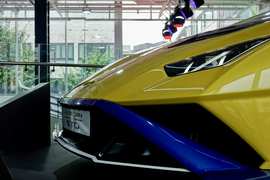
Toyota’s Gazoo Racing division has, in recent years, demonstrated a remarkable ability to blend retro-futuristic styling with contemporary design language. The GR Yaris and GR Corolla both feature aggressive, purposeful aesthetics that clearly reference their rally heritage while incorporating modern aerodynamic elements and bold design statements. It is reasonable to expect a similar approach for the Celica Sport. The car will likely feature a compact, athletic stance, a fastback roofline that pays homage to its predecessors, and aggressive aerodynamic elements such as a pronounced front splitter, side skirts, and a rear diffuser. The use of lightweight materials such as carbon fiber and aluminum in the body structure would further enhance its performance credentials and align with the focus on performance in the 2026 automotive landscape.
The interior design will also be critical in defining the Celica Sport’s identity. While early models were characterized by utilitarian interiors, the fourth-generation All-Trac Turbo featured a driver-focused cockpit with supportive sport seats and a comprehensive gauge cluster. The