
Reviving a Legend: The 2026 Toyota Celica Sport Promises Hybrid Power and AWD Rally Pedigree
The automotive landscape of 2026 is a fascinating blend of nostalgia and innovation, where the ghosts of legendary nameplates return to haunt the modern era with cutting-edge technology. Amidst the electric revolution and the relentless march of automation, Toyota is stoking the fires of enthusiast passion by resurrecting one of its most iconic sports cars: the Celica. Shedding its humble front-wheel-drive roots, the reincarnated Toyota Celica Sport is shaping up to be a formidable machine, boasting a sophisticated all-wheel-drive (AWD) hybrid powertrain that pays homage to its rally-racing heritage while embracing the efficiency demands of the future.
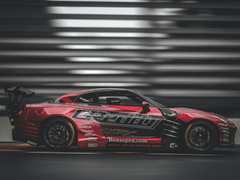
For generations of car lovers, the Toyota Celica evokes memories of accessible performance, rally-bred engineering, and a certain joie de vivre that has been sorely missed. As the fifth-generation Supra prepares for its curtain call by the end of 2026, Toyota is ensuring that the spirit of Gazoo Racing (GR) continues to burn brightly. The whispers that began in late 2024 have now coalesced into a clear vision, thanks to candid insights from Toyota’s own leadership. This isn’t just a cosmetic revival; it’s a return to form, grounded in the DNA that made the Celica a legend in the first place.
The Birth of a Legend: Celica’s Storied Past
To fully appreciate the significance of the 2026 Toyota Celica Sport, one must first look back at the legacy it carries. First introduced in 1970, the Celica emerged as Toyota’s answer to the growing demand for sporty, stylish, and affordable coupes. Its name, derived from the Spanish word “celestial,” hinted at its aspirational nature. Over the decades, the Celica evolved dramatically, adapting to market trends while never straying too far from its performance-oriented ethos.
The early generations of the Celica were defined by their rear-wheel-drive layout, offering a pure, unadulterated driving experience that appealed to purists. However, the true legend was forged in the crucible of the World Rally Championship (WRC). The fourth-generation Celica, particularly the All-Trac Turbo variant introduced in the mid-1980s, became a dominant force in rallying. With its aggressive stance, turbocharged engine, and revolutionary all-wheel-drive system, the Celica conquered some of the world’s toughest rally stages, cementing its reputation as a rally king.
This rally pedigree wasn’t just for show. The technologies honed in the heat of competition—turbocharging, all-wheel-drive, and robust chassis engineering—trickled down to the road cars, making the Celica a formidable performer for everyday drivers. The fifth-generation Celica further refined this formula, offering a perfect blend of style, performance, and practicality. It was a car that could be enjoyed on a spirited weekend drive yet was sensible enough for daily commuting.
The Return of the Icon: What to Expect in 2026
The hiatus of the Celica nameplate left a void in the automotive landscape, a gap that enthusiasts have clamored to fill for years. The return of the Celica in 2026, however, is not a simple retread of the past. Toyota is leveraging its latest technological advancements to create a car that honors its heritage while pushing the boundaries of what a modern sports car can be.
According to reports from industry insiders and direct comments from Toyota executives, the 2026 Toyota Celica Sport will embrace a hybrid powertrain. This decision reflects the industry-wide shift towards electrification, driven by stringent emissions regulations and evolving consumer preferences. However, Toyota’s approach to hybridization is anything but conventional. Rather than simply bolting on an electric motor to a standard engine, the company is developing a bespoke hybrid system designed specifically for performance applications.
At the heart of this new system lies a new turbocharged 2.0-liter four-cylinder engine. This isn’t just any engine; it’s a product of Toyota’s Gazoo Racing division, engineered from the ground up to deliver exhilarating performance. The G20E engine, as it’s codenamed, was first previewed in the mid-engined GR Yaris M concept at the 2025 Tokyo Auto Salon. This concept vehicle provided a tantalizing glimpse into Toyota’s performance future, showcasing a lightweight, compact, and powerful engine that could redefine the sports coupe segment.
A New Powertrain for a New Era
The decision to move to a 2.0-liter displacement is a strategic one. As Toyota’s GR marketing manager, Mikio Hayashi, explained, smaller engines like the 1.6-liter unit found in the GR Yaris struggle to meet evolving emission standards. A 2.0-liter engine offers the perfect balance between performance and compliance, allowing Toyota to extract significant power while adhering to global regulations.
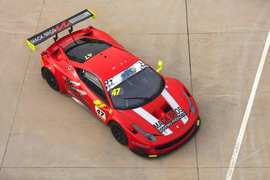
But the true innovation lies in the hybridization of this new engine. Toyota is exploring both standard hybrid and plug-in hybrid configurations, providing flexibility to cater to different market demands. The beauty of the G20E engine is its compact and lightweight design. Developed with a shorter piston stroke than Toyota’s current engines, it maintains a small physical footprint despite its larger displacement. This engineering feat is crucial for the Celica Sport, as it allows for the integration of hybrid components—batteries and electric motors—without adding excessive weight, a common pitfall in hybrid performance cars.
The implications of this lightweight hybrid system are staggering. Estimates suggest that the powertrain could deliver around 400 horsepower, a figure that would place the 2026 Toyota Celica Sport firmly in the realm of high-performance coupes. Some German publications have even speculated that with a larger turbocharger, the hybrid system could potentially exceed 600 horsepower, creating a machine capable of challenging established performance benchmarks.
This new powertrain isn’t destined to remain exclusive to the Celica. Toyota’s strategy appears to be one of platform sharing and component reuse, a hallmark of the company’s efficient engineering philosophy. The GR Yaris, already a beloved hot hatch, is a likely candidate to receive a version of this new engine in Europe. More significantly for American audiences, the GR Corolla could also benefit from this technological infusion, potentially transforming it into an even more potent competitor in the hot hatch segment. The potential for this powertrain to trickle down to other GR models further underscores Toyota’s commitment to bringing exciting, performance-oriented vehicles to market.
Rally Roots and Future Aspirations
The return of the Celica nameplate is intrinsically linked to Toyota’s enduring legacy in rally racing. The original Celica carved its legend on gravel stages and tarmac circuits across the globe, and it appears the 2026 Toyota Celica Sport will continue this tradition. Recent sightings of a camouflaged Toyota rally car in Portugal, testing in February, have fueled speculation that the Celica will serve as Toyota’s next challenger in the World Rally Championship.
The current Yaris-based rally racer, while successful, will soon be ineligible for WRC competition in 2027. The discovery of a compact coupe prototype undergoing testing strongly suggests that Toyota is preparing a new platform for its rally program. The Celica, with its rich rally history and modern hybrid powertrain, is the perfect candidate to carry the torch. This direct link between the road car and its rally counterpart would be a significant differentiator in the market, offering consumers the chance to own a vehicle with genuine motorsport DNA.
The all-wheel-drive (AWD) system is central to this rally-bred identity. While past Celica generations offered front-wheel-drive and rear-wheel-drive configurations, the 2026 Toyota Celica Sport will embrace the traction and handling benefits of AWD. This system would be perfectly suited for rally racing, where grip and stability are paramount. Furthermore, in the context of a hybrid powertrain, the AWD system could be engineered to optimize power delivery from both the gasoline engine and the electric motor, providing exceptional performance in all driving conditions.
For enthusiasts, this integration of rally technology into a production sports car is the stuff of dreams. It represents a return to the era when race cars and road cars shared more than just a name; they shared the same engineering principles and performance characteristics. The Toyota Celica Sport promises to bridge that gap once again, offering a level of authenticity that is rare in today’s automotive market.
Design and Aesthetics: A Modern Interpretation of a Classic
While technical specifications are crucial, the aesthetic design of the 2026 Toyota Celica Sport will play an equally important role in its success. Toyota’s GR division has demonstrated a remarkable ability to blend retro cues with modern design language, as seen in the GR Yaris and GR86. The Celica Sport is expected to follow a similar path, drawing inspiration from its iconic predecessors while embracing a contemporary aesthetic.
The silhouette of the Celica has always been characterized by its sleek, coupe profile. The 2026 model is likely to maintain this fundamental shape, but with modern proportions and aerodynamic refinements. The AWD hybrid powertrain may necessitate some design modifications, particularly to accommodate the battery pack and electric motors. However, Toyota’s engineers are known for their ability to integrate these components seamlessly, ensuring that the car’s visual appeal is not compromised.

The front fascia will likely feature the aggressive styling cues characteristic of the Gazoo Racing brand, including a prominent grille, sharp headlights, and aerodynamic intakes. The rear of the car could pay homage to the iconic