
The Next Toyota Celica Sport: A Deep Dive into the 2026 Hybrid AWD Phenomenon
The automotive landscape is in constant flux, and nowhere is this more evident than in the evolution of sports cars. As emissions regulations tighten and consumer preferences shift, manufacturers are being forced to innovate at an unprecedented pace. Toyota, a titan of the industry with a storied history in performance vehicles, is at the forefront of this revolution. The retirement of the fifth-generation Toyota Supra by the end of 2025 has left a void in the hearts of enthusiasts, but fear not, for the Japanese automaker is preparing a comeback of epic proportions. Prepare to witness the rebirth of an icon, the resurrection of the Celica, reimagined for the modern era as the Celica Sport. This isn’t just a new car; it’s a statement of intent, a bold declaration that the spirit of performance lives on, albeit in a form that embraces the future of automotive technology.
The rumors have swirled for years, whispers of a new Celica gracing our roads, but the official confirmation came from none other than a Toyota executive at a press event in Japan in late 2024. Now, with a new report from the esteemed publication Autocar, we have a clearer picture of what to expect. The nameplate itself has been confirmed: the reborn Celica will be known as the Celica Sport, a nod to its heritage while signaling a new chapter in its evolution. But the most electrifying revelation concerns its powertrain. Get ready for a technological marvel, a hybrid system that combines the thrill of internal combustion with the efficiency of electric propulsion. This isn’t just a mild hybrid; we’re talking about a serious performance setup that promises to deliver exhilarating acceleration and surprising fuel economy.
Unpacking the Powertrain: A Symphony of Power and Efficiency
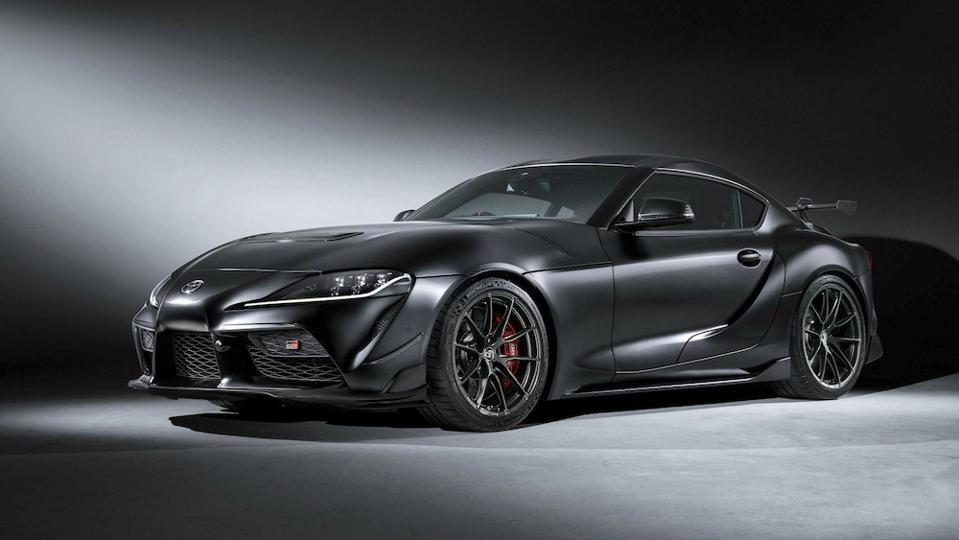
At the heart of the Celica Sport lies a brand-new turbocharged 2.0-liter four-cylinder engine, a testament to Toyota’s engineering prowess. This isn’t a rehashed version of an existing power plant; it’s a purpose-built unit designed to meet the demands of modern performance vehicles while adhering to stringent emission standards. The need for a larger displacement engine became apparent when considering the limitations of smaller engines like the 1.6-liter found in the GR Yaris. According to Mikio Hayashi, the marketing manager for Gazoo Racing, “The displacement size of 1.6 liters, for example, cannot meet emission regulations. So we have to consider the possibility of a 2.0-liter.” This strategic shift to a 2.0-liter displacement allows Toyota to extract more power and torque while maintaining compliance with evolving environmental regulations.
Hayashi further elaborated on the development process, revealing that Toyota is “thinking about various sizes, but we are not at a stage where we can tell you exactly what size it is. Nothing has been decided yet about whether it will be a standard hybrid or plug-in hybrid.” This tantalizing ambiguity leaves the door open for several exciting possibilities. The term “standard hybrid” could refer to a traditional parallel hybrid system, similar to what we see in the current GR Yaris Hybrid, or it could denote a more sophisticated series-parallel hybrid setup. The prospect of a plug-in hybrid variant is particularly exciting, offering the potential for significant electric-only driving range and even more potent performance thanks to the combined power of the gasoline engine and electric motor. Regardless of the specific configuration, the integration of a hybrid system into a sports car like the Celica represents a bold move that could redefine the segment.
The development timeline for this new engine remains shrouded in a degree of mystery, adding to the anticipation. When pressed for details, Hayashi offered a cryptic but encouraging response: “We are continuing to develop that. We have high expectations.” He further hinted at the progress being made, stating, “We cannot point to a timeline but can say we are making steady progress.” This suggests that while a firm launch date for the engine, and by extension the Celica Sport, is not yet on the horizon, the project is well underway and moving forward with purpose. The automotive world eagerly awaits further updates on this cutting-edge powertrain technology.
Engineering Excellence: The Pursuit of Lightweight Performance
To truly understand the significance of this new 2.0-liter engine, we must delve into its engineering. According to Autocar’s report, the engine features a shorter piston stroke compared to Toyota’s current engines. This seemingly minor detail is a stroke of genius from an engineering perspective. A shorter piston stroke results in a more compact and lightweight engine, which is crucial for maintaining the nimble handling characteristics that have defined the Celica throughout its history. In the realm of sports cars, weight is the enemy of performance, and Toyota’s commitment to minimizing mass is evident in this design choice.
The implications of this lightweight engine design extend beyond just the engine itself. By reducing the weight of the core component, Toyota can more easily integrate the additional weight of the hybrid system—the battery pack and electric motor—without significantly compromising the car’s overall balance and agility. This is a critical consideration, as the added weight of hybrid components can be a detriment to a car’s handling dynamics if not carefully managed. The fact that Toyota’s engineers have prioritized this aspect of the design speaks volumes about their dedication to delivering a vehicle that honors the Celica’s legacy of driving pleasure.
The performance potential of this new hybrid powertrain is nothing short of staggering. While the exact power output remains unconfirmed, previous reports have pegged the combined system output at an impressive 400 horsepower. This figure alone would place the Celica Sport in formidable company, offering performance that rivals established sports cars in its class. However, the German publication Auto Motor und Sport suggests that the potential is even greater. With the addition of a larger turbocharger, the hybrid unit could potentially unleash a breathtaking more than 600 horsepower. This would transform the Celica Sport from a capable sports car into a true supercar slayer, capable of challenging the most potent performance vehicles on the market.
The All-Wheel Drive Advantage: A Nod to Rally Heritage
Beyond the revolutionary powertrain, the Celica Sport’s all-wheel-drive (AWD) system is a significant development that warrants close examination. This decision to equip the new model with AWD is a deliberate choice that harkens back to the Celica’s illustrious past. The most iconic all-wheel-drive variant of the Celica was the fourth-generation model, introduced in the mid-1980s as the All-Trac Turbo. This rally-bred machine became a legend on the world’s most demanding stages, capturing the hearts of motorsport enthusiasts and proving the effectiveness of Toyota’s AWD technology.
The decision to revive this configuration for the Celica Sport is more than just a nostalgic nod to its heritage; it’s a strategic move that aligns with Toyota’s current performance direction. The company’s Gazoo Racing division has achieved remarkable success in rallying, and the lessons learned from its championship-winning endeavors are clearly being applied to its road cars. In fact, a camouflaged prototype bearing a striking resemblance to the new Celica was spotted undergoing testing in Portugal in February 2026. This testing grounds, renowned for its demanding rally stages, further fuels speculation that the Celica Sport is destined to become Toyota’s next contender in the World Rally Championship (WRC).
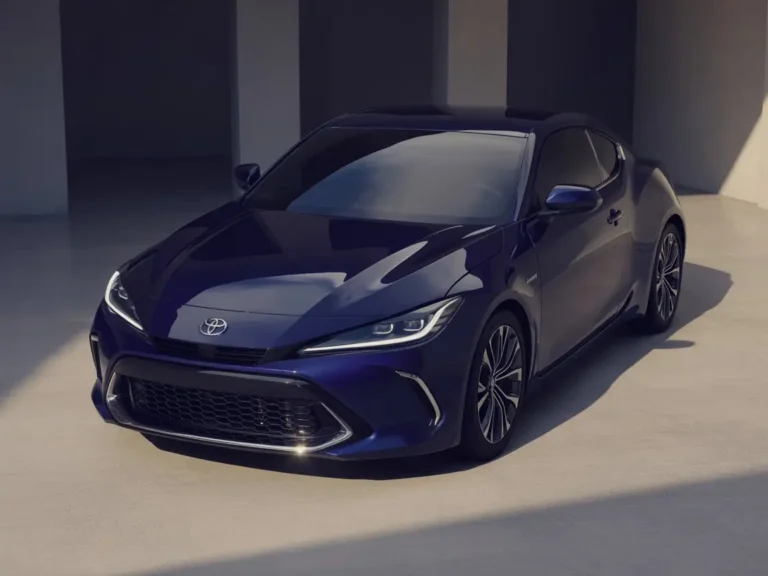
The current Yaris-based rally racer, while successful, will soon be ineligible to compete in the WRC in 2027 due to evolving regulations. The appearance of the compact coupe prototype during these testing sessions strongly suggests that the Celica Sport will fill this void, becoming the new weapon of choice for Toyota’s rally team. This direct lineage to the WRC will not only validate the car’s performance credentials but will also generate invaluable engineering data that will inevitably trickle down to the production model, benefiting everyday drivers who purchase the Celica Sport.
Beyond the WRC: Potential Applications and Market Impact
The implications of this new 2.0-liter hybrid powertrain extend far beyond the confines of the Celica Sport. Toyota’s Gazoo Racing division is known for its strategy of developing core performance components and deploying them across its GR-branded vehicles. The GR Yaris, a critically acclaimed hot hatchback, is a prime candidate for receiving some version of this new engine in the European market. The increased displacement and hybrid technology could significantly enhance the Yaris’s performance capabilities while helping it meet increasingly stringent emission standards in Europe.
For the North American market, the GR Corolla is a more likely recipient of this cutting-edge powertrain. The current GR Corolla, while already a formidable performer, could benefit immensely from the added power and efficiency of the new hybrid system. This upgrade would ensure that the GR Corolla remains competitive in the North American hot hatch segment, which is characterized by its focus on performance and driver engagement. The prospect of a hybrid GR Corolla is particularly exciting for enthusiasts who value both exhilarating driving dynamics and a degree of environmental consciousness.
The automotive industry is closely watching Toyota’s every move in this arena. The successful integration of hybrid technology into a performance-oriented sports car like the Celica Sport could set a new benchmark for the industry. If Toyota can demonstrate that hybrid systems can enhance performance rather than compromise it, it could accelerate the adoption of similar technologies by other manufacturers. This would be a significant step forward in the quest for more sustainable yet exhilarating transportation solutions. The ripple effect of this innovation could be felt across the entire automotive landscape, influencing the development of future sports cars and performance vehicles.
Market Dynamics and Competitive Landscape
The timing of the Celica Sport’s introduction is particularly noteworthy. With the retirement of the fifth-generation Toyota Supra imminent, Toyota is strategically positioning the Celica Sport to fill a different, yet equally important, niche in the market. While the Supra has