
The Future Toyota Celica Sport: A Deep Dive into Toyota’s Next-Generation Hybrid Sports Car
The automotive landscape is shifting rapidly, with electrification and performance merging in exciting new ways. As the traditional sports car era evolves, Toyota is making headlines with the revival of yet another legendary nameplate. Following the highly anticipated return of the MR2, industry insiders are buzzing about the upcoming Toyota Celica Sport, a vehicle poised to redefine the compact sports coupe segment. This all-new model, leveraging Toyota’s cutting-edge hybrid technology and Gazoo Racing’s performance expertise, represents a bold step forward for the brand and a thrilling prospect for driving enthusiasts everywhere.
The announcement of a new Celica has sent ripples of excitement through the automotive community. After decades of speculation, Toyota has confirmed that the iconic nameplate will live on, not as a nostalgic nod to the past, Audicar reports that a Gazoo Racing marketing manager recently revealed the new model will officially be called the Celica Sport. This designation immediately signals a shift towards a more performance-focused identity, distinguishing it from its more comfort-oriented predecessors. More importantly, this reveal confirms that Toyota is not retreating from the sports car market despite the retirement of the fifth-generation Supra. Instead, the company is doubling down on its commitment to performance vehicles, solidifying its position as a leader in the evolving automotive landscape.
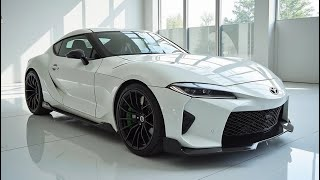
One of the most significant revelations surrounding the new Celica Sport is its powertrain. According to industry whispers, Toyota is developing a next-generation hybrid system that will combine a turbocharged 2.0-liter four-cylinder engine with an electric motor. This configuration is expected to deliver a compelling blend of power, efficiency, and driving dynamics. While specific performance figures are yet to be confirmed, early projections suggest the Celica Sport could produce upwards of 400 horsepower, with some reports even hinting at the possibility of a 600-horsepower variant. This level of performance would place the Celica Sport squarely in contention with some of the most exciting sports cars on the market today, offering a compelling alternative to traditional gasoline-powered rivals.
The development of this new 2.0-liter turbocharged engine represents a significant engineering achievement for Toyota. Internally codenamed G20E, this engine made its debut in the mid-engined GR Yaris M concept at the 2025 Tokyo Auto Salon. This innovative powertrain features a shorter piston stroke compared to Toyota’s current engines, a design choice that significantly reduces size and weight. This compact design allows for the seamless integration of hybrid components—including a battery and electric motor—without adding excessive bulk to the vehicle. The result is a powertrain that maintains the agility and responsiveness essential to a true sports car while delivering the fuel efficiency benefits of electrification.
The choice of a hybrid powertrain for the Celica Sport is a strategic one, aligning with Toyota’s broader electrification strategy. As emission regulations tighten globally, automakers are increasingly turning to hybrid technology to balance performance with environmental responsibility. By incorporating a hybrid system, Toyota can offer the best of both worlds: the thrilling acceleration and responsiveness of a turbocharged engine combined with the efficiency and reduced emissions of an electric motor. This approach allows the Celica Sport to appeal to a wider range of buyers, including those who may be hesitant to fully commit to a battery-electric vehicle but still desire a modern, high-performance driving experience.
Beyond the powertrain, the Celica Sport’s design and engineering are expected to draw heavily from Toyota’s Gazoo Racing division. This division, responsible for Toyota’s motorsport activities and high-performance models, has a proven track record of developing vehicles that deliver exceptional driving dynamics. The Celica Sport is expected to benefit from Gazoo Racing’s expertise in areas such as aerodynamics, suspension tuning, and chassis optimization. This focus on performance engineering will ensure that the Celica Sport lives up to the legacy of its predecessors while pushing the boundaries of what is possible in a compact sports coupe.
The all-wheel-drive configuration announced for the Celica Sport is particularly noteworthy. While past generations of the Celica have featured front-wheel-drive, rear-wheel-drive, and even all-wheel-drive variants, the decision to equip the new model with AWD is a strategic one. This setup will provide enhanced traction and stability, particularly in performance-oriented driving scenarios. Furthermore, it aligns with the Celica’s rich history in rally racing, where all-wheel drive has been a critical factor in achieving success. The inclusion of AWD suggests that Toyota is targeting a performance-focused audience that values driver control and confidence in a variety of conditions.
The Celica’s rally heritage is undeniable, and the new Celica Sport appears poised to continue this legacy. The automotive world was abuzz in February when a prototype Toyota rally car was spotted testing in Portugal. This camouflaged prototype, with its compact coupe silhouette, strongly resembled the upcoming Celica Sport. This sighting has fueled speculation that the new model will serve as Toyota’s next challenger in the World Rally Championship (WRC). With the current Yaris-based rally racer set to be ineligible for the 2027 season, the timing is perfect for the introduction of a new contender. The Celica’s storied history in rally racing, marked by numerous victories and championships, makes it a natural fit for this role.
The development of the Celica Sport is part of a broader strategy by Toyota to revitalize its performance car lineup. The company has been strategically rebuilding its sports car portfolio, and the Celica Sport represents a crucial piece of this puzzle. By offering a range of performance vehicles—including the GR Supra, GR86, GR Corolla, and the upcoming GR MR2 and GR Celica—Toyota is catering to different segments of the performance market. This multi-pronged approach allows the brand to appeal to a wide range of enthusiasts while maintaining its position as a leader in the automotive industry.
The success of the Celica Sport will depend on its ability to deliver a compelling package that combines performance, style, and value. The automotive market is highly competitive, with numerous manufacturers offering compelling sports car options. To stand out, the Celica Sport will need to differentiate itself through a combination of unique features, exceptional driving dynamics, and a price point that offers strong value for money. The inclusion of advanced hybrid technology, combined with Gazoo Racing’s performance expertise, gives the Celica Sport a strong foundation upon which to build.
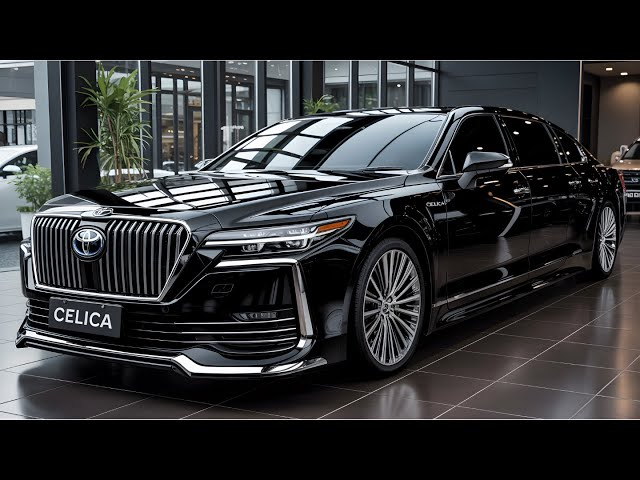
One of the key challenges facing the Celica Sport will be managing expectations. The Celica nameplate carries a significant legacy, and any new model bearing this name will be scrutinized by fans and critics alike. The car will need to strike a delicate balance between honoring its heritage and embracing modern technology. It must deliver the driving thrills that made the Celica a legend while also meeting the expectations of today’s buyers for performance, efficiency, and technology.
The interior of the Celica Sport is expected to follow the design direction established by Toyota’s latest models, with a strong focus on driver engagement and technology. Expect a cockpit-style layout with a driver-centric instrument cluster, a high-resolution infotainment display, and premium materials throughout the cabin. The integration of hybrid technology will be seamless, with clear and intuitive displays that provide drivers with the information they need to optimize performance and efficiency. Safety will also be a priority, with Toyota’s latest driver-assistance systems incorporated into the vehicle.
The exterior design of the Celica Sport is expected to be a modern interpretation of the classic Celica silhouette, with sporty proportions and aerodynamic styling. The car will likely feature a long hood, a sloping roofline, and a compact rear end, all hallmarks of the Celica design DNA. The inclusion of a rear spoiler and other aerodynamic enhancements will further underscore the car’s performance credentials. The availability of Gazoo Racing-specific styling elements, such as aggressive front and rear fascias and unique wheel designs, will allow buyers to personalize their vehicles and express their passion for performance driving.
The target audience for the Celica Sport is likely to be younger buyers who are drawn to performance-oriented vehicles but are also environmentally conscious. This demographic is increasingly embracing hybrid technology, recognizing its ability to deliver both performance and efficiency. The Celica Sport’s combination of cutting-edge hybrid technology, sporty design, and engaging driving dynamics positions it perfectly to appeal to this market segment. Furthermore, the car’s expected affordability relative to the Supra will make it an attractive option for buyers seeking a high-performance vehicle without the premium price tag.
The development of the Celica Sport will also benefit from Toyota’s global strategy. While the car will be sold in markets around the world, its development will likely be optimized for specific regional requirements and preferences. The inclusion of both hybrid and plug-in hybrid options could allow Toyota to tailor the vehicle to different markets with varying emission regulations and consumer preferences. This flexibility will be crucial in ensuring the Celica Sport’s success in diverse global markets.
The introduction of the Celica Sport represents a significant milestone in Toyota’s ongoing revitalization of its performance car lineup. It demonstrates the company’s commitment to innovation, performance, and driver engagement. By combining its expertise in hybrid technology with the performance DNA of Gazoo Racing, Toyota is creating a vehicle that is poised to capture the hearts of driving enthusiasts for years to come. The automotive industry will be watching closely as this exciting new model takes shape, eager to experience the next chapter in the legendary Celica story.
As the automotive landscape continues to evolve, one thing is clear: Toyota is not backing down from its commitment to performance. The upcoming Celica Sport, with its innovative hybrid powertrain, all-wheel-drive configuration, and Gazoo Racing-tuned performance, represents a bold and exciting step forward for the brand. It pays homage to a legendary name while embracing the future of automotive technology. The automotive world eagerly anticipates the official unveiling of this new icon, ready to experience the next generation of the Toyota