
The Evolving Landscape of Automotive Subscriptions: What to Expect in 2025 and Beyond
The automotive industry is undergoing a seismic shift, moving beyond the traditional purchase model to embrace a subscription-based ecosystem. As a seasoned professional with a decade navigating this dynamic space, I’ve witnessed firsthand the evolution of connected car services from novelties to essential features. Automakers are no longer just selling metal and horsepower; they’re selling an integrated digital experience. From advanced driver-assistance systems (ADAS) to in-car entertainment and real-time vehicle diagnostics, the future of driving is increasingly tied to recurring payments. This article will delve deep into the burgeoning world of automotive app subscriptions, exploring what manufacturers are offering, the associated costs, and the underlying trends shaping this transformative market, with a particular focus on the automotive subscription services that are rapidly becoming commonplace.
For years, the idea of paying a monthly fee for features that were once included in a vehicle’s purchase price felt like a futuristic concept. Now, it’s a tangible reality. The appeal for manufacturers is clear: a steady, predictable revenue stream and a direct channel to engage with their customer base. For consumers, the calculus is more complex. While some subscriptions offer genuine convenience and access to cutting-edge technology, others raise questions about value and the commoditization of features. Understanding the nuances of these car subscription costs and the benefits they unlock is crucial for today’s savvy car buyer.
The core idea driving these vehicle subscription programs is to offer flexibility and personalization. Instead of locking consumers into a fixed set of features at the time of purchase, automakers are enabling them to activate or deactivate specific functionalities as their needs evolve. This is particularly evident with advanced software-driven features. For instance, a driver who rarely uses advanced parking assist might opt out of that particular subscription, while another might choose to activate it for a specific trip or period. This is where connected car subscription services truly shine, offering a modular approach to vehicle ownership.
Navigating the Subscription Spectrum: From Free Tiers to Premium Packages
The landscape of automotive subscriptions is far from uniform. Brands are adopting diverse strategies, ranging from entirely free connected services to highly tiered and proprietary offerings. This variability reflects differing brand philosophies, target demographics, and the underlying technological capabilities of their platforms.
At one end of the spectrum, some luxury marques, such as Aston Martin and Bentley, offer their connected services for free. These platforms typically provide essential security features like vehicle location tracking, door status monitoring, and vehicle health data. While these may seem basic, for a brand synonymous with exclusivity and high-end craftsmanship, offering these foundational digital services without an additional charge aligns with customer expectations and reinforces their premium positioning. The value proposition here lies in the holistic ownership experience, where the digital infrastructure complements the physical product seamlessly.
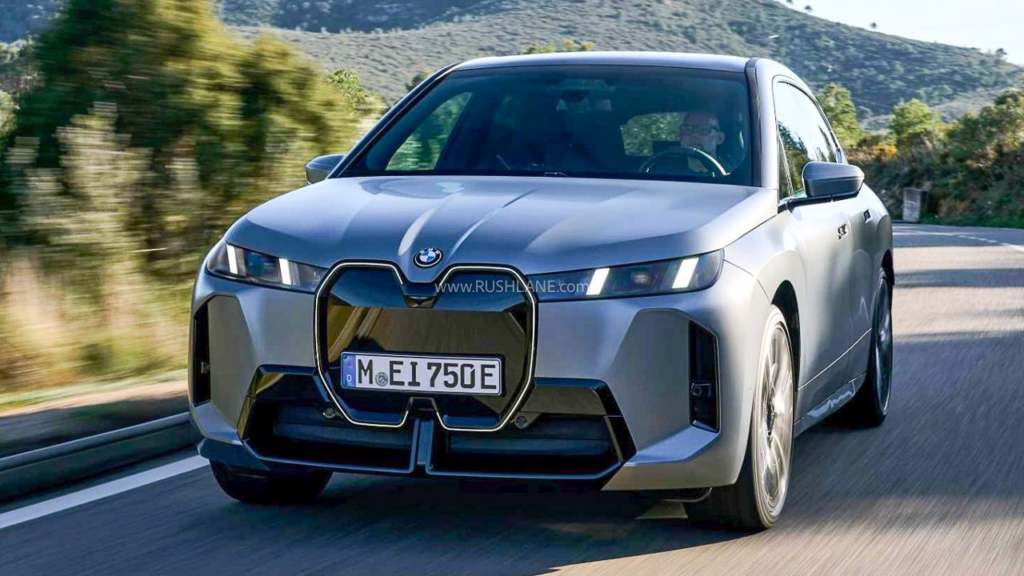
However, the majority of automakers are implementing a more structured approach, often involving free trial periods followed by tiered subscription models. This is a strategy designed to let consumers experience the benefits firsthand before committing to a recurring payment. BMW, for example, offers a variety of subscription options for features like remote start, drive recorders, and advanced driver-assistance systems. Their pricing structure varies significantly, reflecting the diverse functionality of each feature. One-month or three-month free trials are common, with subsequent costs ranging from a few dollars per month to substantial annual or even lifetime subscription fees for advanced capabilities like automated parking or traffic camera integration. The emphasis here is on unlocking the full potential of the vehicle’s hardware through software, a key trend in automotive technology subscriptions.
Audi follows a similar path with its myAudi and Audi Connect platforms. While the basic myAudi app provides core functionalities like remote unlocking and maintenance scheduling, the Audi Connect suite is where the subscription revenue is generated. With plans like Nav, Prime, and Plus, owners can access features ranging from stolen vehicle locators to enhanced navigation. A particularly noteworthy aspect of Audi’s approach, and one increasingly seen across the industry, is “Functions on Demand.” This concept allows owners to unlock features that are physically present in the vehicle but have been software-locked, requiring a payment to activate. This approach, while potentially controversial, highlights the software-defined nature of modern vehicles and the emerging revenue streams associated with it. This is a significant aspect of the digital automotive services market.
Ford has also embraced a comprehensive subscription strategy with its Ford app, formerly FordPass. Beyond the standard remote control and vehicle health monitoring, Ford offers premium upgrades. The “Blue Cruise” semi-autonomous driving system, for instance, comes with a trial period and can then be subscribed to monthly, annually, or purchased outright for lifetime access. This tiered approach to ADAS is a prime example of how advanced driver-assistance system subscriptions are becoming a significant part of the automotive offering. Ford’s integration of a rewards program, where users earn points for utilizing these digital services, further incentivizes engagement within their ecosystem, a clever tactic to foster loyalty within their connected vehicle ecosystem.
For electric vehicle (EV) owners, subscription services often extend to charging management, route planning with charging stops, and optimized battery preconditioning. This is a critical area for the adoption of EVs, and automakers are keen to provide seamless digital tools to ease the charging experience. Genesis, Hyundai’s luxury division, offers Genesis Connected Services, which includes features like vehicle status notifications and remote functions. After an initial free period, these services transition to a modest annual fee, making them accessible for many owners. This demonstrates how EV charging subscriptions are becoming integral to the ownership experience for electric vehicles.
General Motors (GM), through its ubiquitous OnStar service, continues to be a major player in the connected car space. Available across its various brands (Chevrolet, Cadillac, Buick, GMC) via their respective apps, OnStar offers a range of plans. These range from basic roadside assistance and Wi-Fi data to more advanced features like GM’s Super Cruise hands-free driving technology, an in-car browser, and even integrated Apple Music. The pricing for OnStar subscriptions typically falls within a mid-range bracket, reflecting the breadth of services offered. The inclusion of services like Apple Music is a direct response to consumer demand, especially in light of some manufacturers moving away from full Apple CarPlay integration, highlighting the importance of in-car entertainment subscriptions.
Honda and Acura employ a similar tiered subscription model through their Honda Link and Acura Link apps. They offer several plans, from free basic services like recall notifications to paid tiers that unlock remote control, stolen vehicle locators, and even a personal concierge service. The top-tier Concierge plan, in particular, showcases the potential for personal concierge automotive services, aiming to integrate the vehicle into a broader lifestyle management system.
Hyundai’s Bluelink+ app offers a robust suite of connected services, including 24/7 access to a call center, remote vehicle control features, and navigation. A notable aspect of their offering is a substantial free trial period, followed by competitive monthly or annual subscription fees. This strategy aims to onboard users and demonstrate the value of continuous connectivity.

When we look at brands like Jaguar and Land Rover, their InControl suites offer a more extensive array of packages, each with its own free trial period that often aligns with the vehicle’s warranty. These packages cover everything from remote start and vehicle health monitoring to advanced navigation with real-time traffic and in-car streaming services. The tiered approach, with separate costs for navigation and online content packs, allows for a high degree of customization, catering to a discerning clientele that expects a premium digital experience. This exemplifies the sophisticated automotive connectivity packages available in the market.
Lexus and Toyota offer a somewhat different approach, with their core connected services being free. However, they also provide optional subscription packages that enhance functionality. These packages, such as “Go Anywhere” for advanced navigation and remote control, or “Music Lover” for integrated streaming, are priced competitively. The “Premium” package, combining features from both, offers a comprehensive solution for users seeking an enriched in-car digital experience.
Lincoln, another luxury brand, provides its connected services through the Lincoln App, and crucially, these are offered free of charge. This includes services like a personal concierge and remote vehicle control, reinforcing their commitment to a seamless luxury ownership experience without additional digital costs for standard features.
Mazda has adopted a straightforward subscription model for its MyMazda app. After an initial free trial for newer models, a modest monthly fee grants access to remote control, vehicle finder, and health statistics. This is a cost-effective solution for owners seeking essential connected features.
Mercedes-Benz has fully embraced the subscription model with its Mercedes Me app. While basic functions are often free, a comprehensive MB.Connect Package is available for an additional cost, unlocking a multitude of features like remote start, live traffic information, and enhanced vehicle finder capabilities. The pricing and content of this package are tailored to the specific model and equipment of the vehicle, emphasizing a personalized approach to Mercedes-Benz connected services.
Mini offers its Connected Plus add-on, providing enhanced navigation and entertainment apps. Alongside a free trial for new vehicles, this subscription unlocks features driven by a digital assistant, showcasing the integration of AI into the automotive user experience. These “Mini Connected Upgrades” are a clear indication of the growing importance of AI-powered automotive features.
Mitsubishi’s My Mitsubishi Connect app offers a free trial followed by an annual subscription for its core connected services. Beyond the basics, they offer specialized packages for advanced roadside assistance, enhanced remote control, and even integrated garage door openers, demonstrating a focus on practical utility.
Nissan’s Connect services are similar to Infiniti’s, with multiple tiers offering increasing levels of functionality. Their premium subscription tiers, after generous free trials, unlock more advanced features, with pricing escalating accordingly. The differentiation between EV models and sedans within the same packages highlights the evolving nature of Nissan automotive subscription plans based on vehicle type and capabilities.
Polestar stands out by offering its Polestar Connect app entirely free of charge to its owners in the U.S. This includes advanced safety features that leverage cloud technology to alert drivers to road hazards, a testament to their commitment to a seamless and secure connected experience without added cost.
Porsche offers a remarkable 10-year free trial for its Porsche Connect services, after which an annual fee applies. This extended trial period is a significant draw, allowing owners ample time to experience the benefits of enhanced navigation, entertainment, and a digital assistant before committing financially. Additional packages for security and in-vehicle internet are also available, showcasing the depth of Porsche’s digital offerings.
Rivian has positioned its Connect+ app as a comprehensive solution for its electric vehicles. Beyond standard navigation and voice commands, their subscription tiers unlock features like live security feeds, Wi-Fi hotspots, and extensive streaming capabilities, making it an all-encompassing digital hub for drivers. This highlights the comprehensive nature of Rivian’s connected services.
Stellantis, encompassing brands like Chrysler, Dodge, Fiat, Jeep, Maserati, and Ram, is incredibly generous with its Uconnect service, offering a full decade of free access. This extensive free period covers essential features like over-the-air software updates and vehicle health reports. After this generous trial, an annual fee applies, with additional costs for extras like in-vehicle app stores and Wi-Fi. This is arguably the most comprehensive and lengthy free trial in the market for Stellantis vehicle subscriptions.
Subaru has rebranded its connected services under the MySubaru umbrella. They offer tiered trial periods for various packages, including enhanced navigation, security, and remote control. Post-trial, an annual fee applies, making these features accessible to a broad range of Subaru owners.
Tesla has been a pioneer in the subscription model, particularly with its Full Self-Driving (FSD) capability, which can be subscribed to monthly or purchased outright. Beyond FSD, their Premium Connectivity subscription provides essential data services for navigation, music streaming, and over-the-air updates, underscoring the importance of Tesla connectivity subscriptions in their ecosystem. Standard connectivity is typically free for an extended period.
Volkswagen provides detailed information on its myVW App subscription plans, which go beyond basic alerts to include enhanced infotainment, navigation, and AI assistants. The “Safe & Secure” plan offers emergency assistance, while “Remote Access” and “Vehicle Insights” focus on remote vehicle management and data analysis, showcasing the variety of Volkswagen connected services.
Finally, Volvo offers its connected services through the Volvo Cars App. Depending on the model year and operating system, these services can be free or come with an annual fee. For EVs, this includes charging management features, highlighting the integration of Volvo EV connected features into their subscription model.
The Future is Connected: Trends Shaping Automotive Subscriptions
As we look ahead to 2025 and beyond, several key trends will continue to shape the automotive subscription landscape:
Software-Defined Vehicles: The industry is rapidly moving towards vehicles where functionality is primarily defined by software, not just hardware. This allows automakers to update, enhance, and even add features over the air, making subscription models increasingly relevant. The ability to activate or deactivate features via software updates opens up vast possibilities for revenue generation and customer engagement.
Personalization and Customization: Consumers increasingly expect a personalized experience, and automotive subscriptions allow for this. Drivers can tailor their vehicle’s digital features to their specific needs and preferences, activating services only when they require them. This could include specialized navigation for off-road adventures, enhanced audio packages for music enthusiasts, or advanced safety features for longer commutes.
Data-Driven Services: The vast amount of data generated by connected vehicles presents an opportunity for automakers to offer data-driven services. This could range from personalized maintenance recommendations and predictive diagnostics to usage-based insurance or even insights into driving behavior for fleet management. The ethical implications and transparency around data usage will be paramount here.
Integration with Smart Ecosystems: Expect deeper integration of vehicle subscriptions with broader smart home and personal digital ecosystems. This could mean seamless control of smart home devices from the car or using vehicle data to optimize personal schedules. The car is becoming an extension of our digital lives, not just a mode of transportation.
Focus on Value and Transparency: While subscription models offer benefits, consumers are becoming more discerning. Automakers will need to focus on clearly articulating the value proposition of each subscription and ensuring transparent pricing. Hidden fees or confusing service tiers will likely lead to customer dissatisfaction. The debate around whether car features as subscriptions are truly worthwhile will continue.
The Rise of Over-the-Air (OTA) Updates: OTA updates are not just for software patches; they are becoming the backbone for delivering new features and functionalities. This enables automakers to continuously improve the vehicle’s capabilities throughout its lifecycle, a key enabler of the subscription economy. This impacts the ongoing relevance of automotive software updates and subscriptions.
Making an Informed Decision
The era of automotive app subscriptions is here to stay. As a consumer, the key is to approach these offerings with a clear understanding of your needs and the value being provided. Before committing to any subscription, consider the following:
Assess your driving habits: Do you genuinely need the advanced features being offered, or are they a luxury you can forgo?
Evaluate the trial periods: Take full advantage of free trials to experience the services before making a financial commitment.
Compare pricing across brands and models: The cost and features of subscriptions vary significantly, so shop around.
Read the fine print: Understand what is included, what is excluded, and the terms of cancellation for each service.
Consider the long-term cost: Factor in annual or multi-year costs to understand the total expenditure over the ownership period.
The automotive industry is evolving at an unprecedented pace. By staying informed about the latest offerings and understanding the underlying trends, you can make smart decisions that enhance your driving experience and align with your budget. As we move forward, the integration of digital services into our vehicles will only deepen, making informed choices about automotive subscriptions more critical than ever.