
Mastering the Chill: A Seasoned Expert’s Guide to Navigating Subzero Temperatures with Your Electric Vehicle
The crisp bite of winter air, while often invigorating, presents a unique set of challenges for every driver, and perhaps none more so than those embracing the electric vehicle revolution. For those of us who have spent over a decade at the forefront of automotive technology, observing and experiencing the evolution of electric cars firsthand, the whispers of concern about EV performance in frigid climates are familiar. Yet, the narrative that electric vehicles falter in subzero temperatures is one that can, and should, be overcome with knowledge, preparation, and a refined understanding of your vehicle’s capabilities.
My journey with electric vehicles began in the nascent stages of their widespread adoption, witnessing the groundbreaking innovations that promised a cleaner, more sustainable future. Over ten years, I’ve navigated the country in everything from early-generation compact EVs to the latest luxury electric SUVs, each providing invaluable insights into their real-world performance, especially when Mother Nature unleashes her icy grip. The core truth remains: electric vehicle range is undeniably impacted by subzero temperatures, not because of inherent flaws, but due to the fundamental physics governing battery chemistry and energy management. However, this impact is not insurmountable. By adopting a proactive approach and implementing smart strategies, you can ensure your electric vehicle remains a reliable and capable companion, even when the mercury plummets.
The Science Behind the Chill: Why EVs Feel the Cold
At its heart, an electric vehicle’s battery is a complex electrochemical system. The chemical reactions that store and release energy are sensitive to external conditions, and extreme cold significantly slows these reactions. Think of it like trying to stir thick honey on a freezing day – it’s much harder and takes more effort. This reduced efficiency directly translates to a decrease in usable energy, and consequently, a reduction in your vehicle’s driving range. Furthermore, the energy required to maintain the battery pack within its optimal operating temperature, coupled with the demands of heating the cabin, further contribute to this range diminution. Modern advancements, however, have significantly mitigated these effects, and understanding these principles allows for optimized performance.
Strategic Preconditioning: The Cornerstone of Cold-Weather EV Driving
The single most impactful strategy for surviving subzero temperatures with an EV is preconditioning. This isn’t just a buzzword; it’s the intelligent utilization of your vehicle’s systems to prepare it for the cold before you even start driving.
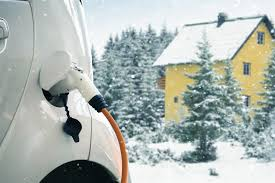
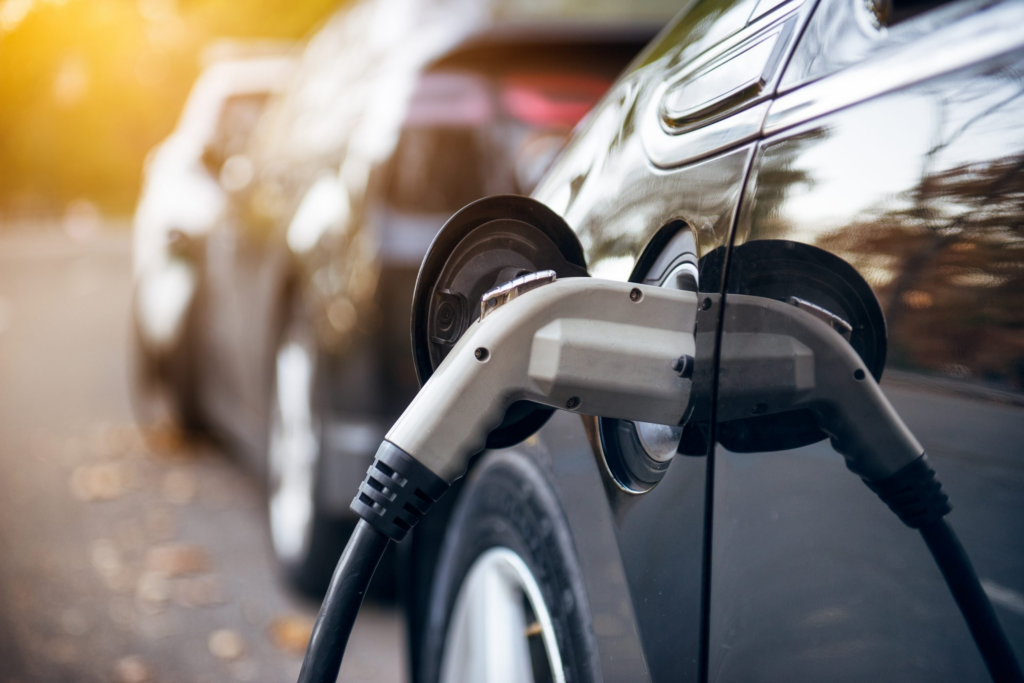
For those fortunate enough to have a home charging setup, the benefits of preconditioning are amplified. When your EV is plugged in overnight, you can activate the cabin preheating and battery temperature management functions without drawing power from the main battery. This means the energy used to warm your interior and bring the battery to its optimal operating temperature comes directly from the grid, not from the electrons that would otherwise be propelling you down the road. Imagine stepping into a perfectly warm car, with clear windows, ready to go, all without sacrificing precious miles of range. This is the power of preconditioning. For those relying on public DC fast chargers, a similar principle applies. Preconditioning the battery en route to the charger ensures it’s at the ideal temperature to accept a charge quickly and efficiently. A cold battery will resist fast charging, leading to longer waits and potential frustration.
My personal experience with a 2021 Tesla Model Y during a particularly harsh winter reinforced this. Neglecting preconditioning on a frosty morning resulted in a noticeably shorter initial range projection. However, when I made it a habit to precondition while plugged in, the difference was palpable, yielding a more predictable and robust range throughout the day. This practice is not exclusive to Teslas; it’s a universal benefit across all electric vehicles. Keeping the vehicle plugged in, even if it shows a full charge, allows it to draw grid power to maintain optimal battery temperature, a small but significant advantage.
Optimizing Your Charging Routine for Winter
Beyond preconditioning, adapting your charging routine is paramount.
Charge to 100%: While daily charging to 80% is often recommended for battery longevity in moderate temperatures, winter demands a shift. When the cold significantly impacts range, maximizing your available battery capacity by charging to 100% becomes a practical necessity. This ensures you have the maximum buffer for your daily commute and unexpected detours.
Plan Your Charging Stops Meticulously: Range anxiety is amplified in winter. Before venturing out on longer trips, meticulously plan your charging stops. Identify reliable charging stations along your route, and importantly, have backup plans. The popularity of public chargers can surge during severe weather events as more drivers experience reduced range. Having a couple of alternative charging locations identified can save you from a stressful situation.
The Garage Advantage: If available, parking and charging your EV in a garage provides a significant benefit. The slightly warmer ambient temperature of a garage can lead to faster charging speeds and help the battery retain its charge more effectively. This small environmental difference makes a noticeable impact.
Embrace Patience: Cold batteries charge more slowly. Accept this reality and factor in longer charging times. Rushing the process will only lead to frustration. My testing of the 2024 Kia EV9 in frigid conditions highlighted this; while capable, the charging curve was undeniably gentler in the cold, underscoring the need for mindful planning.
Adapting Driving Habits for Subzero Conditions
The way you drive your EV in winter also plays a critical role in preserving range and ensuring safety.
Dial Back Regenerative Braking: Regenerative braking, a hallmark of EV efficiency, can be a double-edged sword in slippery conditions. The immediate deceleration when lifting off the accelerator can unsettle the vehicle on ice or snow. I strongly advise dialing back the intensity of regenerative braking or disabling one-pedal driving altogether. This allows for a more controlled coasting before engaging the friction brakes, providing a safer and more predictable driving experience. This is a critical safety consideration, especially for those new to EVs in winter.
Engage Winter/Snow Modes: Many EVs are equipped with dedicated Winter or Snow driving modes. These modes are designed to modulate throttle response, reducing instant torque and minimizing wheel spin on slippery surfaces. They not only enhance safety but also contribute to energy conservation. Similarly, modes like “Eco” or “Chill” can be invaluable for extending range by limiting aggressive acceleration.
Acknowledge Reduced Range: While newer EVs are more adept at managing cold-weather range loss, they are not immune. Do not solely rely on the car’s navigation or third-party app trip estimates for range predictions in extreme temperatures. Factor in a conservative buffer. My long-term testing of various EVs has consistently shown that advertised ranges can be significantly reduced in subzero conditions.
Strategic Use of Climate Control: While a warm cabin is a comfort, it’s also an energy drain. Utilize seat heaters and heated steering wheels. These systems consume far less energy than heating the entire cabin. In a pinch, prioritizing these localized heating elements can make a crucial difference in preserving battery life.
The Wisdom of Staying Home: During severe winter weather, the most effective way to conserve energy and ensure safety is to simply stay home if your journey is not essential. If you must travel, remember that others are likely facing similar challenges. A little patience and understanding at charging stations can go a long way.
The evolution of electric vehicles has been nothing short of remarkable. The concerns about EV range in cold weather are valid, but they are also addressable. By embracing these expert-backed strategies – meticulous preconditioning, intelligent charging routines, and adaptive driving habits – you can not only survive but thrive in subzero temperatures with your electric vehicle. The future of personal transportation is electric, and with the right knowledge, winter is just another season to navigate with confidence and efficiency.
Ready to embrace the electric future, even in the coldest months? Explore the latest electric vehicle models and charging solutions available in your area. Consult with local EV specialists to tailor a cold-weather driving plan that perfectly suits your needs and driving conditions.