
Navigating Subzero Territory: Expert Strategies for Electric Vehicle Owners
By A Seasoned EV Advocate with a Decade in the Trenches
The biting chill of winter, a force that transforms landscapes into stark, frozen tableaux, presents a unique challenge for those who have embraced the electric vehicle revolution. For years, a whisper of apprehension has accompanied the notion of electric cars facing plummeting temperatures. The very technology that promises a cleaner, quieter drive can, in extreme cold, feel as dormant as a hibernating bear. However, as an industry veteran who has witnessed the evolution of EVs firsthand over the past ten years, I can assure you that the narrative of electric vehicles succumbing to the frost is largely a relic of the past. With a nuanced understanding of battery chemistry, strategic preparation, and a few intelligent driving adjustments, your EV can not only endure but perform admirably, even when the mercury dives far below freezing.
The core principle at play is simple physics: batteries don’t perform optimally in the cold. Specifically, the chemical reactions that enable a lithium-ion battery to store and discharge energy are significantly slowed down by frigid temperatures. This directly translates to reduced range, longer charging times, and a perceptible dip in overall performance. For electric vehicle owners, this can translate into “range anxiety” – a very real concern when you’re miles from a charging station and the dashboard indicates a dwindling power reserve. But this anxiety is preventable. It’s about recognizing the limitations and proactively implementing strategies that mitigate their impact.
My own journey with EVs began with early adopters, experiencing the nascent stages of the technology. Over the last decade, I’ve personally managed and extensively tested a variety of electric and plug-in hybrid vehicles, from the revolutionary Tesla Model Y to the robust Jeep Grand Cherokee 4xe, and more recently, the family-focused Kia EV9. This hands-on experience, coupled with observing industry trends and technological advancements, has provided me with a deep well of knowledge on how to maximize EV performance in demanding climates.
The Cornerstone of Cold-Weather EV Success: Preconditioning
If there is one singular piece of advice that stands head and shoulders above the rest for surviving subzero temperatures with an electric car, it is preconditioning. This isn’t merely a suggestion; it’s a critical step that maximizes your usable range and ensures a more comfortable and efficient driving experience.
When your EV is connected to a home charging station, the ability to precondition the vehicle while it’s still plugged in is an absolute game-changer. This process allows you to warm up the cabin, defrost windows, and bring the battery pack to its optimal operating temperature using external grid power, rather than depleting the precious energy stored within the battery. Imagine starting your day with a fully warmed interior and a battery ready to deliver its maximum potential miles. This is the power of preconditioning. By heating the cabin and defogging the glass before you even disconnect from the charger, you retain every available watt for propulsion, directly combating range loss.
For those who rely on public DC fast charging, the preconditioning strategy shifts slightly but remains equally vital. Many modern EVs feature a “preconditioning” function that can be activated on your route to a charging station. This intelligent system works to warm the battery to the ideal temperature for rapid charging. A cold battery simply cannot accept a charge as quickly as a warm one. By ensuring your battery is at its optimal thermal state before you arrive at the charger, you significantly reduce charging times and avoid the frustrating experience of a slow, protracted charging session in the cold.
Furthermore, even if your vehicle indicates it’s fully charged, keeping it plugged in, if feasible, can serve another crucial purpose in extreme cold. The charging system can intelligently manage the battery’s temperature, using a minimal amount of grid power to keep it within its preferred operating range, preventing excessive cooling and preserving its health and readiness. This is a subtle but effective way to prepare your EV for the demands of winter driving.
Re-evaluating Your Charging Routine for Winter Demands
Beyond preconditioning, a thoughtful adjustment of your charging routine can profoundly impact your winter EV experience.
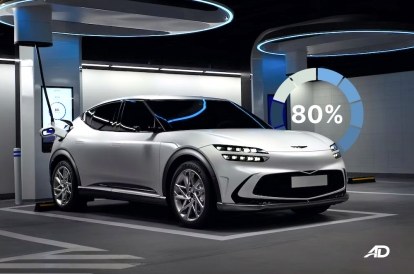
A common practice for many EV owners is to charge to around 80% for daily use, a strategy that promotes battery longevity. However, during periods of subzero temperatures, it becomes advantageous to charge to 100%. As mentioned, the cold impacts battery efficiency, and more energy is diverted to heating the cabin and maintaining optimal battery temperature. By starting each day with a full charge, you create a larger buffer to compensate for this increased energy consumption, effectively maximizing your potential driving range.
Winter weather is inherently unpredictable, and planning is paramount. Make a charging plan ahead of any significant cold snaps. Identify reliable charging stations along your typical routes and potential detours. Don’t just rely on your vehicle’s built-in navigation; supplement it with reputable third-party charging apps. Critically, always have a backup charging plan, and perhaps even a tertiary option. Crowded charging stations during peak demand or unexpected outages can quickly turn a planned charge into a stressful hunt for power. Being prepared with multiple options mitigates this risk significantly.
Whenever possible, park and charge in a garage. Even an unheated garage offers a noticeable advantage over the open elements. The ambient temperature inside a garage, while still potentially cool, is invariably warmer than the external environment. This warmer environment can help prevent extreme battery cooling, leading to faster charging speeds and better preservation of your battery’s charge.
Finally, expect longer charge times. This is a direct consequence of cold battery chemistry. Be patient, factor these extended charging durations into your schedule, and avoid the temptation to cut sessions short. A fully charged battery, even if it took longer to achieve, will serve you far better on your journeys. This is an aspect of EV charging cost optimization that becomes crucial in colder months.
Adapting Your Driving Habits for Winter’s Grip
The way you drive an electric vehicle in the winter needs a conscious adjustment. The immediate, powerful torque that EVs are celebrated for can become a liability on slick surfaces.
One of the most important shifts is to dial back regenerative braking and/or avoid one-pedal driving. While these systems are fantastic for maximizing range in moderate conditions, their aggressive deceleration can be startling and even dangerous on icy or snow-covered roads. The sudden braking force, when you lift off the accelerator, can unsettle the vehicle and lead to unintended slides. By reducing or disabling these features, you allow for a more gradual and controlled deceleration, giving you more time to react and apply the traditional friction brakes smoothly. Opting for a gentle coast before braking offers a much more stable and predictable driving experience.
If your EV is equipped with a Snow or Winter driving mode, engage it. These modes are specifically engineered to temper the vehicle’s responsiveness in low-traction conditions. They typically modulate throttle inputs to reduce the likelihood of wheel spin and deliver power more progressively, enhancing grip and control. Additionally, modes like Eco mode or Tesla’s “Chill” mode, while primarily designed for energy conservation, can also contribute to smoother acceleration, which is beneficial in winter driving.
It’s essential to expect less range, even in newer EVs. While manufacturers are continually improving battery technology and thermal management systems, extreme cold remains a significant factor impacting EV range. Don’t blindly trust in-car navigation or third-party trip estimators for their accuracy in subzero conditions. They may not fully account for the increased energy draw of cabin heating and battery conditioning. Always err on the side of caution and factor in a buffer for reduced range. Understanding electric vehicle battery degradation and how it’s exacerbated by temperature extremes is key to realistic range expectations.
When it comes to comfort, be strategic. While the full cabin heating system is effective, it’s also a significant energy consumer. Consider leveraging heated seats and heated steering wheels. These localized heating elements draw substantially less power than heating the entire cabin volume. If you’re in a pinch and trying to conserve every last mile of range, these features can be a lifesaver, providing essential comfort without a drastic impact on your battery’s state of charge. This is a subtle but impactful strategy for extending EV range in winter.
Finally, and perhaps most importantly, stay home if the weather is truly extreme. If your journey is not essential, the safest and most energy-efficient option is to remain stationary. However, if you must venture out, remember that you are not alone. Every other driver, EV or otherwise, is likely facing similar challenges. A deep breath, a dose of patience, and a willingness to extend grace to fellow road users can make the experience significantly more pleasant for everyone.
The future of transportation is electric, and with the right knowledge and preparation, winter’s icy grip need not be a barrier to enjoying the benefits of EV ownership. By embracing these expert-tested strategies – from diligent preconditioning and adjusted charging routines to mindful driving habits – you can confidently navigate the coldest months, ensuring your electric vehicle remains a reliable and efficient companion.
Ready to transform your winter EV experience? Explore our comprehensive guides and find the perfect charging solution for your home.