
Navigating the Chill: Maximizing Your Electric Vehicle’s Performance in Subzero Temperatures
For those of us who have embraced the electric vehicle (EV) revolution, the prospect of subzero temperatures can evoke a certain degree of apprehension. It’s a widely acknowledged truth that battery performance, the very heart of an EV, is demonstrably impacted as thermometers plummet. My decade in the automotive industry, focusing heavily on the burgeoning EV sector, has provided firsthand experience with these challenges, and more importantly, the proven strategies to overcome them. Gone are the days when EVs were considered fragile in the face of winter’s bite. With a nuanced understanding of their operational nuances and a proactive approach to preparation, owners can not only survive but even thrive in the coldest climates, ensuring a seamless and enjoyable driving experience.
The narrative of EVs faltering in extreme cold has, at times, been amplified, creating what I term “range anxiety” for potential and existing owners. However, this perspective often overlooks the fundamental science at play and the advancements in battery technology and vehicle management systems. While it’s true that EV batteries, like most sophisticated electronics, operate optimally within a specific temperature band, manufacturers have invested significantly in mitigating the effects of extreme cold. As winter’s icy grip tightens across the nation, employing intelligent strategies is paramount to demystifying EV cold-weather performance and enhancing your journey’s safety and predictability.
My personal journey with electric vehicles began with the Nissan Leaf in 2011, and since then, our team has rigorously tested and lived with numerous all-electric and plug-in hybrid vehicles, including models like the 2021 Tesla Model Y, the 2023 Jeep Grand Cherokee 4xe, and the 2024 Kia EV9. This extensive, real-world ownership experience has provided invaluable insights into the practicalities of EV ownership across diverse climates, particularly during winter. This article distills that hard-won knowledge into actionable advice for maximizing your electric vehicle range in cold weather.
The Cornerstones of Cold-Weather EV Readiness: Preconditioning, Charging, and Driving Tactics
The key to unlocking your EV’s full potential during frigid conditions lies in a trifecta of strategic preparation: preconditioning, judicious charging, and adopting specific cold-weather driving habits. Neglecting any of these elements can lead to suboptimal performance and, frankly, unnecessary stress.
The Unwavering Imperative: Preconditioning Your EV
The single most impactful action you can take to preserve your EV battery performance in cold weather is preconditioning. This process involves warming both the cabin and the battery pack to their optimal operating temperatures before you begin your journey.
For those with a dedicated home charging setup, this is where you leverage that convenience to its fullest. Preconditioning your EV while plugged in is non-negotiable. By doing so, you utilize the power from the grid to warm the interior and battery, rather than depleting the vehicle’s precious stored energy. Imagine the difference: arriving at your destination with a full complement of miles versus having already expended a significant portion of your range just to get comfortable. Aim to have the cabin to your desired temperature and any frost or ice on the windows melted before you disconnect from the charger. This maximizes the energy available for propulsion, directly impacting your electric car range in winter.
If your charging routine involves DC fast chargers, a slightly different but equally critical preconditioning strategy applies. Most modern EVs are equipped with sophisticated battery management systems that can actively warm the battery as you approach a charging station. Utilizing your navigation system to route yourself to the DC fast charger will often trigger this EV battery preconditioning for fast charging. This ensures the battery is at its ideal temperature to accept the highest possible charging speeds, preventing the frustrating experience of slow charging in the cold.
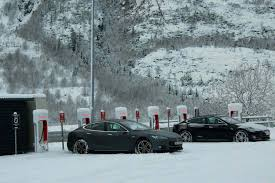
Furthermore, even if your EV indicates a full charge, keeping your EV plugged in during extended periods of extreme cold can be beneficial. Many vehicles will intelligently draw power from the grid to maintain the battery’s optimal temperature, preventing excessive degradation and ensuring it’s ready to go when you are. This is a subtle but effective strategy for maintaining EV battery health in winter.
Rethinking Your Charging Routine for Maximum Range
Beyond preconditioning, adjusting your charging habits plays a crucial role in mitigating range loss. The principles of efficient energy management become even more pronounced when external temperatures are low.
A fundamental shift for many EV owners during winter is to charge your EV to 100%. While habitually charging to 80% for daily use is often recommended to prolong battery lifespan under normal conditions, the significant energy demands of cabin heating and battery thermal management in subzero temperatures necessitate maximizing your available range. This means ensuring you start each drive with the maximum possible charge.
Advance planning becomes your best friend when dealing with cold weather EV charging. Identify your intended charging locations before you leave home and have a backup plan, and perhaps even a backup to your backup. The temptation to wing it can quickly lead to EV range anxiety, especially when encountering busy public charging stations. Researching charging station availability and reliability in your area for electric vehicle charging in Chicago or EV charging stations in Denver can be crucial.
Whenever possible, park and charge your EV in a garage. The relatively warmer, more stable environment of a garage can significantly accelerate charging speeds compared to an outdoor, exposed location. This also helps to preserve the charge for longer periods, preventing the battery from cooling down too rapidly.
You must also expect longer EV charging times during cold weather. Cold batteries are less receptive to rapid energy transfer. Patience is key, and factoring in these extended charging durations into your travel plans is essential to avoid delays.
Cultivating Smart Cold-Weather Driving Habits
The way you operate your EV in cold weather can have a substantial impact on your remaining range and overall safety. Embracing these specific driving tactics will help you navigate winter conditions with confidence.
One of the most critical adjustments involves dialing back regenerative braking and avoiding one-pedal driving. While these features are brilliant for maximizing range in temperate conditions, their abrupt energy recuperation can be unsettling on slick, icy surfaces. The sudden deceleration can destabilize the vehicle, leading to what I affectionately call an “OH SHHEET OF ICE” moment. By reducing or disabling these systems, you allow for a smoother transition to using your friction brakes, offering more predictable control. Embracing a more traditional coasting approach before engaging the brakes provides a safer and more controlled deceleration.
If your EV is equipped with a dedicated Snow or Winter driving mode, activate it. These modes are specifically engineered to manage instant torque delivery, reducing the likelihood of wheel spin on low-traction surfaces. By modulating throttle inputs, they provide a more progressive and controlled acceleration, enhancing safety and preserving tire grip. Additionally, modes like Eco or Tesla’s Chill mode are designed for energy conservation in cold weather, further extending your electric vehicle range in winter.

It is prudent to expect less EV range in cold weather, even with the latest advancements. While newer models are more resilient, extreme temperatures will inevitably impact performance. Relying solely on in-car navigation or third-party app trip estimates in these conditions can be misleading. It’s always wise to err on the side of caution and assume a more conservative range calculation for your long-range EV travel in winter.
When the mercury truly plummets, consider prioritizing energy-efficient climate control. While seat heaters and heated steering wheels won’t replicate the full cabin heating system, they consume significantly less energy. Utilizing these localized heating elements can help conserve battery power, offering a crucial range extension if you find yourself in a pinch. This is a prime example of optimizing EV battery usage in cold.
Finally, and perhaps most importantly, stay home during extreme weather events. If your travel is not essential, postpone it. The safety of yourself and others on the road is paramount. If you must venture out, remember that others are likely facing similar challenges. A little patience and grace at charging stations and on the road can make a world of difference. This is about fostering a community of responsible EV ownership in winter.
Navigating the Future of Cold-Weather EV Mobility
The advancements in battery technology, thermal management systems, and vehicle software are continuously improving the cold-weather performance of electric vehicles. As we move further into 2025 and beyond, we can anticipate even greater resilience and efficiency. The key, however, remains proactive preparation and an informed approach to ownership. Understanding the fundamental principles of how temperature affects your EV’s energy storage and delivery will empower you to overcome any challenges the winter months may present.
As you plan your next automotive purchase or seek to optimize your current EV’s performance, consider the implications of climate. For those in colder regions, like seeking advice on electric cars for sale in Minnesota or the best EV battery warranty for cold climates, these insights are particularly relevant.
Embracing these strategies will not only ensure your safety and comfort but also unlock the true potential of your electric vehicle, proving that the future of transportation is indeed electric, regardless of the season.
Ready to embrace the electric future, even in the chilliest conditions? Explore our comprehensive guides and find the perfect EV for your lifestyle and climate by visiting our dealership or browsing our online inventory today.