🔻 Watch the video below.
🔻

Navigating the 2026 Automotive Frontier: The High-Tech Labyrinth of the Modern Luxury Sedan
The automotive industry in 2026 has undergone a tectonic shift, departing radically from the automotive standards of just a decade ago. What were once mechanical marvels characterized by plush interiors and driver-centric engineering have morphed into rolling digital ecosystems, densely packed with artificial intelligence, seamless connectivity, and an overwhelming degree of configurable options. This fierce technological arms race, driven by industry giants such as Audi, BMW, and Mercedes-Benz, has elevated the driving experience to an unprecedented pinnacle of digital interaction. Simultaneously, it has introduced a novel set of challenges for the modern driver. The era of the purely mechanical car is rapidly concluding, superseded by a high-tech labyrinth where the interface between human and machine is frequently as intricate as the mechanical core of the vehicle itself.
The Rise of the Digital Dashboard: A Paradigm Shift in Automotive Design
Perhaps the most distinguishing feature of the 2026 luxury vehicle market is the swift emergence of the digital dashboard. The era where a basic gauge cluster and a few physical buttons were sufficient has effectively ended. Contemporary premium automobiles, exemplified by the current iteration of Audi’s S8, feature expansive, adaptable screens that function as the primary interface for both information and vehicle control. This transition, while visually captivating, signifies a fundamental alteration in the nature of driving. The focus has shifted from the physical feedback of the road to the curated data presented on a glass surface. For the discerning consumer, this raises a compelling question: Is this technological integration actually enhancing the driving experience, or is it creating a distracting, overly complex digital shroud separating the driver from the act of driving?
The psychological ramifications of this digital immersion are substantial. As documented in a recent incident involving a beleaguered Audi S8 owner, the vehicle can seem to develop a distinct personality, effectively transforming into a quasi-sentient entity capable of autonomous actions. In this particular instance, the cause was not a technical glitch but rather a tech-savvy teenager utilizing the car’s highly sophisticated rear-seat entertainment tablet to manipulate functions ranging from climate control to the infotainment system. While this anecdote is undoubtedly amusing, it underscores a critical vulnerability in current automotive design: the potential for user error, or in this case, user mischief, to generate a chaotic driving environment. The same technology that facilitates effortless integration with personal devices and provides a vast array of customization options also offers a potent mechanism for non-driving occupants to exert control over the vehicle’s operations.
This phenomenon extends beyond mere convenience; it reflects a fundamental divergence in automotive philosophy. The traditional luxury car was defined by its mechanical refinement and its ability to isolate the driver from the demanding conditions of the road. The modern interpretation, conversely, appears to revel in the very complexity that such isolation once sought to eradicate. The S8, a vehicle renowned for its capacity to traverse vast distances effortlessly, now functions as a platform for digital experimentation. This duality—the powerful, effortless GT wrapped in a shell of complex, customizable software—defines the 2026 luxury sedan. It is a machine that demands not only mechanical appreciation but also a significant degree of technological proficiency.
The Psychological Impact of Digital Overload and the “Ghost in the Machine”
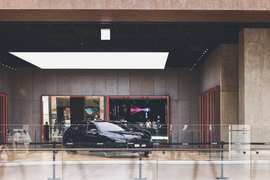
The pervasive integration of digital technology into the core functionality of luxury sedans has sparked intense debate among automotive engineers and consumers alike. The 2026 Audi S8, a paragon of German engineering and digital integration, serves as a microcosm of these broader industry trends. Its digital cockpit, featuring 12.3-inch driver displays and 10.1-inch central infotainment screens, represents the zenith of user-interface design, offering a level of customization previously unimaginable. However, as the industry pushes the boundaries of connectivity and autonomous driving, manufacturers must navigate a fine line between innovation and usability.
The phenomenon often described as a “ghost in the machine” is increasingly prevalent in modern automobiles. A notable incident involving a 2026 Audi S8 highlighted how advanced connectivity features can be exploited for unintended purposes. In this scenario, a teenager leveraged the car’s rear-seat entertainment tablet to manipulate various vehicle functions, including climate control and infotainment. This episode serves as a cautionary tale for manufacturers, demonstrating that while digital features enhance the driving experience for the primary driver, they can also introduce vulnerabilities if not properly secured. Audi S8 customization options, while impressive, require robust security protocols to prevent unauthorized access.
The psychological impact of these digital interfaces cannot be overstated. As drivers increasingly interact with digital dashboards, the tactile connection to the vehicle diminishes. The auditory cues from the engine, the feel of the steering wheel, and the physical feedback of the accelerator are gradually replaced by synthesized sounds and haptic responses. This shift, while offering a seamless and sophisticated experience, can also lead to a sense of disconnection for drivers who value the traditional, tactile aspects of driving. The Audi S8’s infotainment system represents the pinnacle of this trend, offering a fully integrated digital experience that can be both immersive and overwhelming.
The industry’s response to this shift has been a push toward simplified interfaces and voice control. However, the quest for differentiation often leads to the inclusion of more complex features, creating a cycle of complexity that is difficult to break. Manufacturers must master the art of digital discretion, providing a wealth of features without overwhelming the user and ensuring that technology serves the driving experience rather than dictating it. As the 2026 Audi S8 demonstrates, the future of the luxury sedan will be defined by this delicate balancing act between innovation and usability.
The Security Implications of Automotive Connectivity
The integration of personal devices into the automotive ecosystem has created a new frontier of security concerns. The same tablet that allows a child to adjust the heated seats can also, theoretically, be a vector for more malicious intrusions. As our cars become extensions of our digital lives, the potential for cyber threats escalates. The promise of seamless connectivity—the ability to stream music, access navigation, and manage schedules without ever lifting a finger—comes with the implicit risk of data breaches and remote manipulation. In 2026, the security of a vehicle’s software is just as critical as the integrity of its chassis.
Manufacturers are keenly aware of these challenges and are investing heavily in automotive cybersecurity. The Audi S8, with its advanced connectivity features, employs state-of-the-art security protocols to protect its systems from external threats. However, as technology evolves, so do the methods of cybercriminals. The ongoing battle between automotive cybersecurity and cyber threats will shape the future of the luxury sedan, as manufacturers strive to create vehicles that are both secure and seamless.

The Evolving Role of the Dealership and Service Center
The shift toward software-dependent vehicles has also transformed the role of dealerships and service centers. The traditional model of a simple oil change and tire rotation is rapidly becoming obsolete. Modern premium vehicles require sophisticated diagnostic equipment and technicians trained in software engineering as much as in mechanical repair. This escalation in technical requirements raises the bar for vehicle ownership, potentially pricing out those who prefer a more straightforward automotive experience. For the enthusiast who craves the cutting edge of automotive technology, this is a golden age; for the traditionalist, it may feel like a step too far into the unknown.
The 2026 Audi S8 represents the pinnacle of this evolution. Its advanced software systems require specialized diagnostic tools and highly trained technicians. As vehicles become increasingly software-dependent, the role of the dealership and the service center is also evolving. The days of a simple oil change and a tire rotation being the extent of a typical service visit are rapidly coming to an end. Modern premium vehicles require sophisticated diagnostic equipment and technicians trained in software engineering as much as in mechanical repair. This escalation in technical requirements raises the bar for vehicle ownership, potentially pricing out those who prefer a more straightforward automotive experience. For the enthusiast who craves the cutting edge of automotive technology, this is a golden age; for the traditionalist, it may feel like a step too far into the unknown.
Future of the Luxury Sedan: AI Integration and Predictive Personalization
The future of the luxury sedan will likely be defined by this delicate balancing act. As artificial intelligence becomes more sophisticated, we can expect vehicles that are even more predictive and personalized. The S8’s current “perfume selection” feature, a seemingly frivolous addition, is a prime example of this trend. It demonstrates a willingness to cater to the most minute preferences of the driver, creating an environment that is hyper-tailored to individual tastes. This level of customization, once the exclusive domain of bespoke coachbuilders, is now available at the touch of a screen.
However, this personalization must be executed with care. The line between helpful assistance and intrusive micromanagement is a fine one. The ideal luxury vehicle of the future will be one that anticipates the driver’s needs without ever feeling like it is hovering over their shoulder. It will be a machine that understands the nuances of the driving experience—the subtle cues of the road, the rhythm of the journey, and the emotional state of the occupants—and adapts accordingly. This is the promise of the 2026 luxury sedan: a vehicle that is not merely a mode of transportation, but a true partner in the journey.
Conclusion: The Journey Ahead

The path toward this perfect synthesis will undoubtedly be a fascinating one to observe. The lessons learned from the current generation of luxury sedans will shape the vehicles of tomorrow, and the ongoing dialogue between technology and tradition will continue to define the automotive landscape for years to come. As for the current owner of the Audi S8, the immediate solution is clear: implement stricter parental controls and perhaps invest in a good, old-fashioned manual. The era of the possessed luxury car may be over, but the era of the intelligent, adaptive, and undeniably complex automotive future has only just begun