
The Ultimate Guide to Buying a Hyundai Tucson: Decoding Generations, Reliability, and Value in 2025
As a seasoned automotive industry professional with over a decade navigating the complexities of the new and used car markets, I’ve witnessed firsthand the evolution of many popular vehicles. Few exemplify a brand’s upward trajectory and commitment to consumer value quite like the Hyundai Tucson. Introduced to the American automotive landscape in 2004, this compact SUV was initially a smaller, more agile alternative to the larger Santa Fe, sharing its underpinnings with the Elantra sedan. Its mission, however, has remained remarkably consistent: to deliver a feature-rich, affordable, and increasingly refined compact SUV experience.
Over its four distinct generations, the Hyundai Tucson has transformed from a somewhat rudimentary offering to a sophisticated contender, consistently punching above its weight class in terms of value proposition. Hyundai’s legendary warranty coverage has always been a cornerstone, providing peace of mind that few competitors could match. While early iterations might have lagged behind rivals in interior polish, subsequent models have not only closed the gap but often surpassed expectations, solidifying the Tucson’s reputation as a smart choice for budget-conscious yet discerning buyers.
This comprehensive buying guide, drawing on years of market analysis and hands-on experience with the Hyundai Tucson, will delve deep into each generation, scrutinizing cost, reliability trends, and highlighting the model years that represent the most astute investments in today’s market. We’ll explore the nuances of specific trims, engine options, and technological advancements that define each era, empowering you to make an informed decision whether you’re eyeing a brand-new model or a pre-owned gem. For those specifically seeking eco-conscious options, we will also touch upon the Hyundai Tucson Hybrid and its distinctive advantages.
Understanding the Hyundai Tucson’s Evolution: Key Generations and Their Market Standing
The journey of the Hyundai Tucson is a fascinating case study in automotive development. Each generation brings distinct characteristics, strengths, and weaknesses that directly impact its long-term value and desirability.
Fourth Generation (2022-Present): The Pinnacle of Modern Tucson Engineering
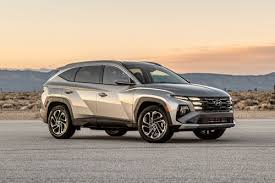
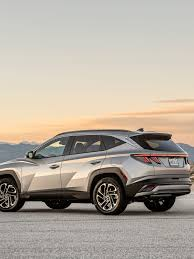
The current, fourth-generation Hyundai Tucson represents a significant leap forward, showcasing Hyundai’s design language and technological prowess. Debuting for the 2022 model year, it’s instantly recognizable with its bold, Parametric Jewel grille that seamlessly integrates hidden LED lighting, giving it a futuristic and sophisticated facade. The sharp, creased bodywork and distinctive split taillamp design further accentuate its modern aesthetic.
Beyond the styling, this generation marks a substantial growth spurt. The wheelbase has been extended, resulting in a more spacious interior, particularly for rear-seat passengers who benefit from increased legroom. Cargo capacity also sees a notable bump, making the Tucson a more practical choice for families and active lifestyles. It’s no surprise that this generation shares many components with its sibling, the Kia Sportage, benefiting from shared development and economies of scale.
Under the hood, the standard Tucson is powered by a 2.5-liter four-cylinder engine delivering 187 horsepower and 178 pound-feet of torque, paired with an eight-speed automatic transmission. While this powertrain is adequate for daily commuting, it’s not a powerhouse, with 0-60 mph times hovering around 10 seconds. For those seeking more dynamic performance, the Hyundai Tucson Hybrid variants offer compelling alternatives, with the standard hybrid producing 227 horsepower and the plug-in hybrid (PHEV) boasting an impressive 261 horsepower. These hybrid options are often categorized as separate models but are integral to the Tucson’s modern appeal and contribute significantly to fuel-efficient SUV options in the compact segment.
The fourth-gen Tucson is offered in a well-equipped range of trims. Even the base SE model comes with essential features like LED headlights, an 8-inch infotainment touchscreen with wireless Apple CarPlay and Android Auto, and a suite of advanced safety technologies including forward collision avoidance, lane-keeping assist, and driver attention warning. Higher trims, such as the SEL, SEL Convenience, SEL Premium, N Line, XRT, and Limited, progressively add luxury and convenience features like larger wheels, power-adjustable seats, heated and ventilated front seats, panoramic sunroofs, digital instrument clusters, premium audio systems, and sophisticated driver-assistance suites, including Hyundai’s Highway Driving Assist.
The 2025 model year brings a subtle refresh, with updated styling and a significant interior modernization. The dashboard now features a seamless, rectangular panel integrating a 12.3-inch digital instrument cluster and a side-by-side touchscreen infotainment system on higher trims. This modern cockpit experience is a key selling point for the latest 2025 Hyundai Tucson.
In terms of reliability and safety, the fourth-generation Tucson has generally performed well. It has earned top safety ratings from the NHTSA and IIHS, often receiving their highest honors. While minor recalls have occurred, addressing issues like hitch wiring harnesses and oil pumps, they have generally been managed effectively by Hyundai. The Hyundai Tucson reliability in this generation is viewed as strong, especially considering its advanced technology.
Key considerations for the Fourth Generation:
Pros: Cutting-edge design, spacious interior, advanced technology, comprehensive safety features, excellent warranty, efficient hybrid options.
Cons: Base engine can feel underpowered, some initial recalls required attention.
Best Years to Buy: 2022 onwards. The 2025 model year, with its updated interior and technology, represents a particularly compelling option for buyers seeking the latest innovations.
Third Generation (2016-2021): A Major Step Towards Refinement
The third-generation Hyundai Tucson, launched for the 2016 model year, marked a substantial improvement in refinement and styling over its predecessor. This generation grew in size, offering a more substantial presence on the road and a noticeable increase in cargo space, though passenger dimensions remained largely consistent.
Initially, powertrain options included a 2.0-liter four-cylinder engine producing 164 horsepower, paired with a six-speed automatic. However, most trims featured a more engaging 1.6-liter turbocharged four-cylinder engine delivering 175 horsepower and 195 pound-feet of torque. This engine was mated to a seven-speed dual-clutch automatic transmission (DCT). While the DCT offered brisk acceleration, it could occasionally exhibit some hesitation at lower speeds, a common characteristic of early DCTs. The turbocharged engine provided a good balance of power and efficiency, making it a popular choice for affordable family SUVs.
The trim strategy for this generation evolved over the years. Starting with SE, Eco, Sport, and Limited in 2016, it later saw the introduction of the SEL and SEL Plus trims, along with a Value trim replacing the Eco. The range of features expanded significantly, with higher trims offering everything from 19-inch wheels and hands-free power liftgates to leather seating, dual-zone climate control, and advanced safety features like forward collision avoidance with automatic emergency braking. The inclusion of Apple CarPlay and Android Auto, initially limited to higher trims, became more widely available as the generation progressed.
Reliability for the third-generation Tucson is generally considered good, though not without some notable concerns. Recalls related to potential fire risks from the ABS controller and issues with engine stalling were points of concern for some owners. However, Hyundai’s proactive approach to addressing these recalls, coupled with its robust warranty, helped mitigate long-term ownership issues. The Hyundai Tucson cost during this period was highly competitive, offering excellent value for the features provided.
Key considerations for the Third Generation:
Pros: Significantly improved interior refinement and design, competitive pricing, good fuel economy with the turbo engine, available advanced safety features.
Cons: Dual-clutch transmission can be hesitant, some notable recalls related to powertrain and safety systems.
Best Years to Buy: 2019-2021. These later models benefited from styling updates and a stronger emphasis on standard safety features, while also having had most of the earlier kinks addressed.
Second Generation (2010-2015): The Turning Point in Design and Quality
The second-generation Hyundai Tucson marked a pivotal moment in Hyundai’s brand transformation. Gone were the days of generic styling; this Tucson emerged with a distinctive and attractive design, both inside and out, setting the stage for future Hyundai models. The trapezoidal grille and sculpted headlights gave it a much more modern and appealing face, while the interior received a significant upgrade in material quality and design intentionality.
This generation also saw a slight increase in dimensions, offering more headroom and legroom for occupants, and a more accommodating cargo area. The powertrain initially consisted of a 2.4-liter four-cylinder engine producing 176 horsepower, paired with either a six-speed manual or automatic transmission. Front-wheel drive was standard, with all-wheel drive available as an option. While engine power was competitive for the segment at the time, the Tucson distinguished itself with sharper handling, offering a more engaging driving experience than many rivals.
Trim levels like the GLS and Limited provided a good range of features. The GLS offered essentials like 17-inch wheels, remote keyless entry, and a decent audio system, while the Limited added niceties such as 18-inch alloy wheels, leather seats, heated front seats, and dual-zone automatic climate control. Over the years, Hyundai introduced new trims and refined feature packaging, including the base GL with a smaller 2.0-liter engine and the later SE trim with an upgraded 2.4-liter engine featuring direct injection for improved performance and efficiency.
Reliability in this generation was a mixed bag. While the fundamental mechanics were generally sound, the Tucson faced a higher number of recalls compared to later generations. These included issues with the anti-lock brake controller (a recurring problem), malfunctioning brake lights, airbag sensors, transmission cooler hoses, and steering wheel airbags. Despite these concerns, many of these Tucsons have proven durable with proper maintenance, and their used Hyundai Tucson price has remained attractive for budget-minded buyers. The value proposition of these models, coupled with their improved driving dynamics over the first generation, made them popular choices.
Key considerations for the Second Generation:
Pros: Significantly improved styling and interior quality, sharper handling, competitive pricing for used models.
Cons: Higher frequency of recalls, some persistent mechanical issues across the generation.
Best Years to Buy: 2013-2015. These later models benefited from suspension tuning for a more comfortable ride, fuel economy improvements, and had most of the earlier recalls addressed.
First Generation (2005-2009): The Foundation of the Tucson Legacy
The original Hyundai Tucson, arriving for the 2005 model year, laid the groundwork for the model’s future success. It was positioned as a more compact and nimble alternative to the Santa Fe, offering a blend of car-like maneuverability with SUV practicality.
Under the hood, buyers could choose between a 2.0-liter four-cylinder engine (140 hp) or a more potent 2.7-liter V6 (173 hp). Front-wheel drive was standard, with all-wheel drive available. The V6, paired with a four-speed automatic, provided adequate performance for its class, though the four-cylinder was rather anemic. Interior refinement was basic, with a noticeable reliance on hard plastics, and the feature list was less extensive compared to contemporary rivals.
Available trims included GL, GLS, and LX. Standard equipment was typical for the era, with features like power windows, locks, and cruise control. Higher trims offered enhancements like leather seats, heated front seats, and a sunroof. Advanced safety features were also more limited compared to modern standards, with anti-lock brakes, traction control, and stability control being the primary technological safety nets.
Reliability for the first-generation Tucson is arguably its weakest point when viewed through a modern lens. Recalls were issued for issues such as brake lights, airbags, parking brakes, and stability control systems. Given the age of these vehicles, potential buyers should be particularly diligent in inspecting them, as many may have endured the rigors of time and mileage with less-than-optimal maintenance. However, for those seeking an exceptionally cheap SUV, the early Tucsons can be found for very modest sums, making them accessible entry points into the SUV market.
Key considerations for the First Generation:
Pros: Very affordable entry price, basic functionality.
Cons: Underpowered base engine, crude interior, less refined driving experience, more significant reliability concerns due to age and early recalls.
Best Years to Buy: While any year can be a gamble, later models (2007-2009) may have had some issues addressed. However, thorough inspection is paramount.
Expert Insights: The Best Hyundai Tucson Years and Models to Target
As an industry expert, my advice when looking for a used Hyundai Tucson often hinges on striking a balance between features, reliability, and overall value.
For the discerning buyer seeking a modern and feature-rich experience, the fourth-generation Hyundai Tucson (2022-present) stands out. The 2025 Hyundai Tucson, with its significantly updated interior and technology, is a top contender. Look for SEL Convenience or Limited trims to maximize your feature set, including advanced driver aids and premium infotainment. If fuel efficiency is a primary concern, the Hyundai Tucson Hybrid variants within this generation offer excellent mileage without significant compromises in performance.
If your budget is tighter but you still desire a well-equipped and relatively modern vehicle, the third-generation Hyundai Tucson (2016-2021) is an excellent target. The 2019-2021 models are particularly appealing. Opt for trims like the Sport or Limited, which offer a greater array of comfort and convenience features. While the dual-clutch transmission might not be to everyone’s taste, its performance is generally well-regarded in everyday driving. Pay close attention to maintenance history, especially concerning any reported transmission issues.
The second-generation Hyundai Tucson (2010-2015) represents a strong value proposition in the used market, especially for those prioritizing a more budget-friendly option. The 2013-2015 models are generally considered the most refined and reliable within this generation. While there were more recalls associated with this era, many have been rectified, and well-maintained examples can offer dependable service. These Tucsons provide a good balance of modern design for their age and a competent driving experience.
The first-generation Hyundai Tucson (2005-2009) should only be considered by those seeking an extremely low-cost vehicle and who are prepared for potential maintenance and repair costs. While the V6 engine offers a bit more pep, the overall package is quite dated, and reliability is a significant question mark due to age and past recall history.
Key Factors for a Smart Hyundai Tucson Purchase
Regardless of the generation you’re considering, several factors are crucial for making a smart Hyundai Tucson purchase:
Maintenance Records: A vehicle with a comprehensive and consistent maintenance history is always preferable. For any used Hyundai Tucson, this is non-negotiable.
Pre-Purchase Inspection (PPI): Always have a trusted independent mechanic perform a thorough inspection before buying, especially for older models. This is your best defense against unforeseen repair bills.
Trim Level Features: Understand what features are important to you. The Hyundai Tucson price can vary significantly based on trim, so identify your must-haves to avoid overpaying.
Mileage and Condition: While mileage is a factor, the overall condition of the vehicle, including interior wear, exterior damage, and mechanical soundness, is equally, if not more, important.
Recalls: Research any recalls associated with the specific model year you are interested in and ensure they have been addressed.
The Hyundai Tucson’s Place in the Compact SUV Market
The Hyundai Tucson has consistently carved out a significant niche in the highly competitive compact SUV segment. Its enduring appeal lies in its ability to offer a compelling blend of affordability, generous feature sets, and increasingly sophisticated design and technology. Compared to rivals like the Honda CR-V, Toyota RAV4, and Mazda CX-5, the Tucson often distinguishes itself with a more value-oriented pricing strategy and a longer, more comprehensive warranty, particularly on newer models.
For shoppers prioritizing reliable compact SUVs on a budget, the Tucson has historically been a go-to option. Its evolution demonstrates Hyundai’s commitment to not just competing, but excelling in key areas like interior quality, safety, and powertrain innovation, especially with the introduction and refinement of its Hyundai Tucson Hybrid and plug-in hybrid variants. The availability of all-wheel-drive SUVs across its model lineup further broadens its appeal for those living in varied climates.
When considering the cost of Hyundai Tucson ownership, buyers benefit from generally reasonable parts and labor costs, further bolstered by the brand’s reputation for long-term durability, particularly in its more recent generations.
Conclusion: Making the Right Choice for Your Needs
The Hyundai Tucson has journeyed from a modest compact crossover to a sophisticated and highly competitive SUV, consistently delivering value and features that resonate with a broad spectrum of buyers. As you navigate the market for your next vehicle, understanding the nuances of each generation is paramount.
Whether you’re drawn to the cutting-edge technology and refined experience of the latest 2025 Hyundai Tucson models, the strong value proposition of the third generation, or the dependable, albeit more basic, second generation, the Hyundai Tucson offers a compelling option.
Your next step in securing a fantastic vehicle is to thoroughly research specific listings, schedule test drives, and, most importantly, conduct a pre-purchase inspection. By leveraging the insights from this guide, you are well-equipped to identify the perfect Hyundai Tucson that aligns with your budget, lifestyle, and expectations for years of enjoyable driving.