
Navigating the Used Hyundai Tucson Market: A Decade of Expertise
As a seasoned automotive industry professional with ten years immersed in the compact SUV segment, I’ve witnessed firsthand the evolution of many popular models. Among these, the Hyundai Tucson stands out as a compelling choice for value-conscious buyers seeking a blend of utility, modern features, and increasingly impressive reliability. This guide delves deep into the used Hyundai Tucson market, offering insights gleaned from a decade of analysis, focusing on cost-effectiveness, long-term dependability, and identifying the best Hyundai Tucson years to buy in the pre-owned arena.
The Hyundai Tucson has carved a significant niche for itself since its 2004 debut. Initially conceived as a more agile alternative to its larger Santa Fe sibling, built upon the Elantra sedan platform, the Tucson has consistently aimed to deliver robust features at an accessible price point. This value proposition, coupled with Hyundai’s industry-leading warranty coverage, has been a cornerstone of its enduring appeal. While early generations sometimes lagged behind competitors in cabin refinement, the trajectory of the Hyundai Tucson has been one of remarkable improvement, with later iterations not only meeting but often exceeding segment expectations. For those eyeing a used Hyundai Tucson for sale, understanding this evolution is paramount.
Decoding the Hyundai Tucson’s Generations: A Deep Dive for Smart Buyers
To truly appreciate the nuances of the used Hyundai Tucson, we must dissect its four distinct generations, each presenting its own set of strengths and potential considerations for prospective owners. From the early attempts at a compact crossover to the sophisticated, tech-laden models of today, the Hyundai Tucson’s journey reflects Hyundai’s ambitious growth.
Fourth Generation (2022-Present): The Apex of Modern Tucson Value
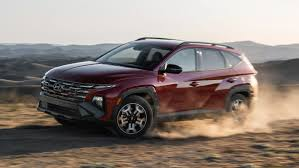
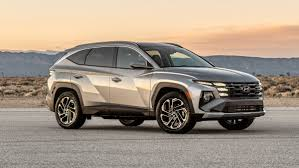
The current, fourth-generation Hyundai Tucson, launched for the 2022 model year, represents a paradigm shift for the nameplate. Its avant-garde exterior styling, characterized by a bold grille that seamlessly integrates LED accent lighting with the main headlamps, immediately signals a departure from its predecessors. The sharp, creased bodywork and distinctive dual-spiked taillights are hallmarks of Hyundai’s contemporary design language.
Beyond aesthetics, this generation boasts a significant expansion in dimensions. Growing nearly six inches longer, with a wheelbase extension that translates to a more generous three-inch increase in rear-seat legroom and a substantial 25% surge in cargo capacity, the 2022+ Tucson is more practical than ever. As is typical with Hyundai and Kia products, it shares significant underpinnings with the contemporary Kia Sportage, a testament to shared development and efficiency.
Under the hood, the standard Tucson is powered by a 2.5-liter four-cylinder engine producing 187 horsepower and 178 lb-ft of torque, mated to an eight-speed automatic transmission. Front-wheel drive is standard, with all-wheel drive available. For those seeking enhanced efficiency, Hyundai Tucson Hybrid and plug-in hybrid (PHEV) variants offer compelling alternatives, though these are often categorized as distinct models. The standard engine, while adequate, can feel somewhat leisurely, with 0-60 mph times around 10 seconds. The suspension prioritizes comfort, delivering a smooth ride at the expense of outright sporty engagement.
The trim hierarchy for this generation is comprehensive, starting with the SE, SEL, N Line, XRT, and the range-topping Limited. Even the base SE is generously equipped with LED headlamps, 17-inch alloys, an 8-inch touchscreen with wireless Apple CarPlay and Android Auto, and a suite of standard safety features including forward collision avoidance, lane keeping assist, and driver attention warnings. Higher trims progressively add amenities like roof rails, keyless entry, power seats, heated front seats, adaptive cruise control, blind-spot monitoring, larger wheels, hands-free liftgates, sunroofs, digital instrument clusters, wireless charging, and premium audio systems.
The 2025 model year introduced a notable mid-cycle refresh, featuring subtle styling tweaks to the grille and bumpers. More significant were the interior enhancements, highlighted by a new dashboard design with a dual-screen layout—a 12.3-inch digital instrument cluster seamlessly integrated with a central touchscreen. This advanced display is standard on SEL trims equipped with the Convenience package and above. Updated climate controls also contribute to a more modern cabin experience.
EPA estimates for the 2022+ FWD Tucson hover around 29 mpg combined, with AWD models slightly lower. NHTSA ratings have been consistently strong, with the 2024 AWD model achieving a perfect five-star overall safety rating. The IIHS has recognized it as a Top Safety Pick+.
As of early 2026, the MSRP for a new Tucson ranges from approximately $29,200 to $41,825 for the top-tier Hybrid. Used prices for the fourth-generation Hyundai Tucson reflect their modernity and features, with a strong depreciation curve initially, making them excellent used Hyundai Tucson deals.
Recalls have been relatively minor, primarily related to hitch wiring, roof moldings, and, more recently, airbags and engine components. Overall, the fourth generation is shaping up to be a highly reliable and well-regarded choice in the used market.
Third Generation (2016-2021): Refinement and Turbocharged Options
The third generation of the Hyundai Tucson, introduced for the 2016 model year, marked a significant leap forward in refinement and design. It grew slightly in all dimensions, yielding a more substantial presence and improved cargo space, while passenger room remained largely consistent.
Engine options diversified here. The base model featured a 2.0-liter four-cylinder producing 164 horsepower, paired with a six-speed automatic. However, the more widely adopted and generally preferred powertrain was the 1.6-liter turbocharged four-cylinder, generating 175 horsepower and 195 lb-ft of torque. This engine was mated to a seven-speed dual-clutch automatic transmission (DCT). While offering sprightly performance, with 0-60 mph times in the low eight-second range, the DCT could exhibit some hesitation at low speeds, a common characteristic of this transmission type.
Trim levels like SE, Eco, Sport, and Limited offered varying degrees of equipment. The Sport and Limited trims were particularly appealing, offering features such as 19-inch wheels, hands-free power liftgates, leather seating, and advanced safety suites that, for later years, included forward collision avoidance with automatic emergency braking and adaptive cruise control. The 2019 facelift brought a refreshed front fascia, an updated infotainment system, and made several advanced safety features standard across the board, making these later models particularly attractive used Hyundai Tucson options.
Fuel economy for the turbocharged engine generally ranged from 25-30 mpg combined, depending on drivetrain. NHTSA ratings were strong, earning five-star overall safety scores. IIHS recognized it as a Top Safety Pick+ for certain model years.
Recalls during this generation were a mixed bag, with some notable issues like a persistent antilock brake controller fire risk and occasional engine stalling. However, Hyundai’s generally prompt attention to these matters, combined with the vehicle’s otherwise solid engineering, has allowed these Tucsons to hold their value well.
Second Generation (2010-2015): A Transformative Step Forward
The second-generation Hyundai Tucson (2010-2015) is arguably where the model truly began its ascent into mainstream competitiveness. This era coincided with Hyundai’s broader brand transformation, moving away from its budget-friendly image towards a more design-conscious and feature-rich offering. The exterior design became far more engaging, with Hyundai’s signature trapezoidal grille and sculpted headlights.
The interior also received a substantial upgrade, with improved material quality, more sophisticated design elements, and better passenger ergonomics. While it grew slightly in length and width, it lost a touch of height, but this did not negatively impact headroom, and rear legroom saw a welcome increase.
Initially, the sole engine was a 2.4-liter four-cylinder producing 176 horsepower, paired with a six-speed automatic. This powertrain offered adequate performance, but the Tucson distinguished itself with sharper, more engaging handling than many of its rivals. Later years saw the introduction of a 2.0-liter engine for base models, offering slightly less power but potentially better fuel efficiency.
Trim levels like GLS and Limited provided a good range of features, with higher trims including amenities like leather upholstery, heated front seats, dual-zone climate control, and optional panoramic sunroofs. The inclusion of USB ports, satellite radio, and Bluetooth connectivity became standard or widely available, enhancing the modern feel.
Fuel economy for the 2.4-liter engine averaged around 23-26 mpg combined. Safety ratings were generally good, with NHTSA awarding four and five stars for various tests, though the IIHS noted a “Poor” rating in the small overlap frontal test for early models.
Recalls during this generation were somewhat more prevalent, including issues with the antilock brake controller, brake lights, and airbag sensors. Despite these, the second-generation Hyundai Tucson has demonstrated surprisingly good long-term value, with many examples holding their resale value exceptionally well, sometimes even appreciating. Finding a well-maintained used Hyundai Tucson from this era can present a fantastic value proposition.
First Generation (2005-2009): The Foundation, But Not the Pinnacle
The inaugural generation of the Hyundai Tucson (2005-2009) laid the groundwork for the model’s future success but is generally considered the least desirable in the used market. Offered with either a 2.0-liter four-cylinder engine (140 hp) or a 2.7-liter V6 (173 hp), performance was modest at best, particularly with the base engine.
The interior was characterized by hard plastics and a utilitarian design, lacking the refinement found in later generations and many contemporary competitors. While it offered basic features like power windows, locks, and cruise control, the technological and safety offerings were rudimentary by today’s standards. Advanced features like traction and stability control were present but basic.
Fuel economy was also a concern, with the V6 engine struggling to reach 20 mpg combined. NHTSA crash test data is limited for this generation, but the IIHS rated it “Acceptable” for frontal and side impacts, with a “Poor” score in rollover tests.
Recalls were issued for issues including brake lights, airbags, and stability control. Given its age, mechanical wear and tear are significant considerations. While the earliest used Hyundai Tucson models can be found for very low prices (under $3,000), their limited features, dated safety, and potential for age-related mechanical issues make them less attractive for most buyers compared to subsequent generations. It’s crucial to approach these models with caution and thorough inspection.
Key Considerations for Purchasing a Used Hyundai Tucson
When navigating the used Hyundai Tucson market, several factors will significantly influence your purchase decision and long-term satisfaction.
Cost and Value: Unpacking the Hyundai Tucson Price
The primary allure of a used Hyundai Tucson lies in its affordability relative to its feature set. Hyundai has consistently prioritized delivering value, and this extends to the pre-owned market. The Hyundai Tucson price on the used market varies considerably based on generation, mileage, condition, and trim level.
Fourth Generation (2022-Present): These models will command the highest prices, reflecting their modern design, advanced technology, and safety features. However, depreciation is still occurring, making them potentially excellent used Hyundai Tucson deals for those seeking the latest tech without the new-car premium.
Third Generation (2016-2021): This generation offers a sweet spot for many buyers. They provide a good balance of modern features, refined interiors, and reliable powertrains at a more accessible price point than the newest models. The turbocharged engine variants are particularly sought after.
Second Generation (2010-2015): These Tucsons represent exceptional value. They offer a significantly more modern driving experience and interior than the first generation, with robust build quality. Their resale value has been surprisingly strong, but this also means they may not be as cheap as their age might suggest.
First Generation (2005-2009): As previously noted, these are the most budget-friendly options but come with the most compromises. They are best suited for buyers with very strict budgets or those who prioritize the absolute lowest entry cost over modern amenities and advanced safety.
When searching for a Hyundai Tucson for sale, paying attention to the trim level is crucial. Models equipped with premium packages, AWD, and desirable features like sunroofs or advanced driver-assistance systems will naturally command higher prices but also offer a more premium ownership experience.
Reliability: The Long-Term Dependability of the Hyundai Tucson
Hyundai’s reputation for reliability has grown exponentially, particularly with models from the mid-2010s onward. The Hyundai Tucson reliability is generally considered good to excellent across its later generations.
Fourth Generation: Early indicators suggest strong reliability, building on the successes of the third generation. Recalls have been manageable and addressed through standard manufacturer processes.
Third Generation: Generally regarded as a reliable choice, especially models with the turbocharged engine. While some recalls existed, they were typically resolved efficiently. Owners often report satisfaction with long-term ownership.
Second Generation: This generation has surprised many with its longevity. Despite some recall concerns in its early years, many well-maintained examples continue to serve their owners faithfully. The 2.4-liter engine is known for its durability.
First Generation: This is where reliability becomes a more significant concern. Age-related wear and tear, coupled with earlier engineering and fewer standard safety features, means a more thorough inspection is vital.
For any used vehicle, a comprehensive pre-purchase inspection by a trusted mechanic is non-negotiable. This will help identify any potential issues, especially for older models or those with higher mileage, and can prevent costly surprises down the road. Checking maintenance records is also essential; a vehicle that has been regularly serviced is far more likely to be reliable.
The Best and Worst Hyundai Tucson Years to Buy
Based on a decade of experience and market analysis:
The Best Hyundai Tucson Years to Buy:
2019-2021 (Third Generation Facelift): These models benefit from updated styling, enhanced standard safety features, and the refined interior. The turbocharged engine option provides a good blend of performance and efficiency.
2022-Present (Fourth Generation): This generation is the most advanced, comfortable, and feature-rich. If your budget allows, these offer the most modern SUV experience. The 2025 refresh, in particular, brings significant interior tech upgrades.
2013-2015 (Second Generation): These later models of the second generation represent a solid value, having addressed early-generation issues and benefiting from design refinements.
Years to Approach with Caution (or Avoid):
2005-2009 (First Generation): While the cheapest to acquire, these models are dated in terms of safety, technology, and refinement. Significant wear and tear are likely, and their performance and fuel economy are subpar by modern standards.
Early Second Generation (2010-2012): While the platform was sound, early models might have had more initial recalls and less refined features compared to later iterations. However, if well-maintained, they can still be a good buy.
Beyond the Basics: Additional Factors for the Savvy Buyer
When considering a used Hyundai Tucson for sale, don’t overlook these critical aspects:
All-Wheel Drive (AWD): For those living in areas with inclement weather or who frequently venture onto unpaved roads, AWD is a valuable option. It adds to the vehicle’s versatility but typically comes with a slight reduction in fuel economy and a higher price point, both new and used.
Trim Levels and Features: Understand what features are important to you. Do you prioritize a premium audio system, advanced safety tech like adaptive cruise control, or a panoramic sunroof? Researching the specific trim levels and their associated packages for each generation will save you time and ensure you find a Tucson that meets your needs.
Maintenance and Repair Costs: While Hyundai parts are generally reasonably priced, and reliability is good, it’s always wise to consider potential maintenance costs. The Hyundai Tucson maintenance cost is typically competitive within its class. However, complex features like AWD systems or advanced infotainment can add to repair expenses if issues arise.
Hybrid and PHEV Models: If fuel efficiency is paramount, explore the Hyundai Tucson Hybrid and PHEV variants. These models offer significantly better MPG ratings, but their used market availability might be more limited, and their price point will be higher. The long-term battery health of hybrid systems is also a factor to consider with older examples.
The Verdict: Is the Used Hyundai Tucson the Right Choice for You?
Having spent a decade immersed in the automotive landscape, I can confidently state that the Hyundai Tucson offers a compelling proposition for a wide range of buyers in the used car market. Its journey from a budget-friendly contender to a sophisticated, well-equipped compact SUV is a testament to Hyundai’s commitment to innovation and quality.
For those seeking the best combination of modern amenities, safety, and value, the third and fourth generations (particularly models from 2019 onwards) stand out as the best Hyundai Tucson years to buy. They provide a refined driving experience, robust safety features, and an interior that rivals more premium brands, all at a considerably lower Hyundai Tucson price than a new vehicle.
While the first generation should be approached with extreme caution due to its age and limitations, the second generation, especially its later models, remains a surprisingly capable and cost-effective option for budget-conscious buyers who prioritize a functional and reliable mode of transportation.
Ultimately, the used Hyundai Tucson is a testament to what can be achieved when a manufacturer prioritizes customer value and consistently refines its products. Its reputation for generous features, a strong warranty (which may still carry over to younger used models), and improving reliability makes it a smart choice for anyone in the market for a versatile and dependable compact SUV.
Before making your final decision, thoroughly research specific vehicles, review their maintenance histories, and always conduct a comprehensive pre-purchase inspection. By understanding the nuances of each generation and focusing on well-maintained examples, you can confidently drive away in a used Hyundai Tucson that offers exceptional value and years of dependable service.
Ready to experience the Hyundai Tucson difference? Take the next step and explore the available used Hyundai Tucson for sale in your area. Schedule a test drive today and discover firsthand why this compact SUV continues to be a smart investment.