
The 2026 Ford Transit Cargo: Powering Your Business Forward with Enhanced Capability and Technology
For over a decade, I’ve navigated the ever-evolving landscape of commercial vehicles, and the Ford Transit Cargo van has consistently stood out as a titan in its segment. As we look towards 2026, Ford is not just updating this workhorse; they are strategically enhancing its core strengths and integrating forward-thinking technology to better serve the dynamic needs of modern businesses. This isn’t merely a refresh; it’s a comprehensive evolution designed to maximize efficiency, productivity, and driver experience, solidifying the 2026 Ford Transit Cargo’s position as a leading choice for cargo van solutions.
The commercial van market is fiercely competitive, with rivals like the Mercedes-Benz Sprinter, Ram ProMaster, Chevrolet Express, and GMC Savana vying for dominance. However, the 2026 Ford Transit Cargo van distinguishes itself through its unparalleled configurability, boasting up to 37 unique arrangements. While trim levels are absent, Ford offers a spectrum of practical choices including low, medium, and high roof heights, alongside regular and extended wheelbases. Furthermore, the highly anticipated availability of all-wheel drive significantly broadens its operational capabilities, making it a more versatile option for businesses operating in diverse climates or challenging terrains. Understanding the nuances of these configurations is crucial for any business seeking the best cargo van for their specific operational demands.
What’s New and Noteworthy for the 2026 Ford Transit Cargo
The most significant updates for the 2026 model year revolve around a substantial digital and technological overhaul. Ford has listened to user feedback and industry demands, equipping the latest Transit Cargo van with an impressive array of new standard and optional features. At the forefront is the integration of an 8-inch digital cluster display, providing drivers with clearer, more accessible information at a glance. Complementing this is a sprawling 12-inch infotainment touchscreen running the intuitive Ford Sync 4 system, which now includes wireless Apple CarPlay and Android Auto as standard. This connectivity suite is further enhanced by a standard 5G modem, transforming the van into a mobile Wi-Fi hotspot capable of supporting up to ten devices, a game-changer for remote work and on-the-go productivity.
Safety has also seen a considerable upgrade with the inclusion of Ford Co-Pilot 360 as standard. For those requiring an even more advanced suite of driver-assist features, the available Co-Pilot 360 2.0 package offers expanded capabilities. A notable addition to the Parcel Delivery Package is Delivery Assist, a feature designed to streamline the delivery process. When the van is placed in park, Delivery Assist automatically activates hazard lights and closes any open windows, then secures the doors once the driver exits. This thoughtful integration of technology not only enhances convenience but also bolsters security for valuable cargo. Visually, the 2026 Ford Transit Cargo receives subtle yet impactful exterior updates, including new badging, redesigned taillights, and a selection of fresh paint colors, ensuring it looks as professional as it performs. For businesses actively searching for new cargo vans for sale, these technological advancements represent a significant leap in value and functionality.
Design: Form Meets Functionality for the Demanding Professional
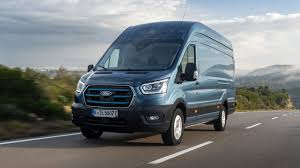
While the primary objective of a cargo van is utility, the 2026 Ford Transit Cargo doesn’t entirely forgo aesthetic appeal. Beyond the standard and practical black, white, and gray finishes, Ford introduces vibrant new exterior paint options like Blue Metallic and Race Red. For larger fleet operations, a classic School Bus Yellow is also available, ensuring high visibility and brand recognition. The standard 16-inch wheels offer a robust foundation, with a range of options from utilitarian steel wheels to more visually appealing Sparkle Silver alloy choices.
While a formal “appearance package” isn’t offered, the Exterior Upgrade package significantly enhances the van’s front-end aesthetics and functionality. This package equips the Transit Cargo with advanced HID headlamps for superior illumination, wiper-activated headlights for automatic activation during inclement weather, and front fog lamps to cut through adverse conditions. A distinctive honeycomb mesh grille adds a touch of premium detailing, elevating the van’s overall presence. For businesses that prioritize both performance and a professional image, considering these design enhancements can make a tangible difference. When exploring Ford Transit Cargo pricing, it’s worth noting how these design elements contribute to the overall value proposition, especially for those looking for commercial van upgrades.
Powertrain: Delivering the Muscle and Efficiency Your Business Demands
At the heart of the 2026 Ford Transit Cargo van lies a robust and capable powertrain designed to handle demanding workloads. The standard engine is a potent 3.5-liter V6, generating a healthy 275 horsepower. For those requiring even more oomph, an available 300-horsepower 3.5-liter EcoBoost V6 offers enhanced performance and torque, particularly beneficial for heavier loads or frequent stop-and-go driving.
Ford’s commitment to smooth operation and fuel efficiency is evident in the standard 10-speed automatic transmission, which is the sole gearbox option across all powertrains. This transmission is expertly tuned to optimize power delivery and maximize miles per gallon, crucial for managing operational costs. The Transit Cargo comes standard with rear-wheel drive (RWD), a proven configuration for reliability and efficiency. However, for businesses operating in regions with challenging weather or requiring enhanced traction, the optional all-wheel drive (AWD) system is a significant advantage, expanding the van’s operational window and providing greater confidence in slippery conditions. Discussions around Ford Transit Cargo MPG will naturally lean towards the efficiency of the RWD models and the V6 engine, but the availability of AWD addresses a critical need for many operators.

Fuel capacity is another area where Ford offers flexibility. A standard 25-gallon fuel tank provides a respectable range, but for those undertaking long-haul routes or requiring extended operational periods between refueling, an optional 31-gallon tank is available. This thoughtful consideration ensures that the Transit Cargo can be tailored to specific operational demands, minimizing downtime and maximizing productivity.
When it comes to payload capacity, the 2026 Ford Transit Cargo van truly shines. The ultimate payload king is the T350HD model, when equipped with the EcoBoost engine, optional dual rear wheels, and AWD. This configuration can achieve an astounding maximum payload of 4,873 pounds, making it a formidable choice for businesses transporting substantial goods. For operators with lighter load requirements, the T150 model, especially when configured with a low roof, offers a maximum payload of up to 3,452 pounds. In addition to payload, the Transit Cargo also boasts impressive towing capabilities, with a maximum towing capacity of up to 6,900 pounds. This versatility makes it an ideal solution not just for carrying cargo, but also for towing essential equipment and trailers. Businesses investing in commercial vehicle financing will find the payload and towing figures of the Transit Cargo compelling.
Interior: A Functional Hub for the Dedicated Professional
As a purpose-built cargo van, the 2026 Ford Transit Cargo is configured as a two-passenger vehicle, prioritizing space and functionality for the driver and their essential co-pilot. Standard seating features durable gray vinyl, a practical choice for easy cleaning and long-term wear. For enhanced comfort and a more premium feel, available gray and black cloth upholstery options are offered. Understanding that long hours on the road demand ergonomic support, Ford offers optional swivel seats for both the driver and front passenger, allowing for easier ingress, egress, and movement within the cabin. For those who require maximum unobstructed cargo space, Ford even offers the flexibility to omit the front passenger seat entirely.
The interior architecture is intelligently designed to adapt to varying needs, primarily dictated by roof height and wheelbase. Headroom varies significantly across these configurations: the low roof offers approximately 40.8 inches, the medium roof provides around 52 inches, and the high roof boasts an impressive 56.6 inches. This range ensures that drivers of various statures can operate comfortably and safely.
Cargo volume is, of course, a paramount consideration for any buyer of a Ford Transit Cargo van. The capacity figures are equally impressive and directly correlate with the chosen wheelbase and roof height. The longest wheelbase variant, paired with the high roof, maximizes utility with an astounding 487.3 cubic feet of cargo volume. For those with less demanding space requirements, the regular-length Transit with a low roof offers a still-generous 246.7 cubic feet. Intermediate configurations, such as the long wheelbase version, provide a versatile range of capacities, typically falling between 277.7 and 404.3 cubic feet. These figures are vital for businesses calculating their freight capacity and ensuring efficient route planning.
Technology: Seamless Integration for Enhanced Productivity
The 2026 Ford Transit Cargo van isn’t just about brute force; it’s also a sophisticated mobile command center. A significant leap forward is the standard inclusion of a large 12-inch infotainment screen powered by Ford’s Sync 4 system. This intuitive interface offers seamless integration with smartphones via wireless Apple CarPlay and Android Auto, providing access to navigation, music, and communication tools without the clutter of cables.
Beyond entertainment, the technology suite is geared towards enhancing driver awareness and operational efficiency. Automatic rain-sensing wipers ensure optimal visibility in changing weather conditions without driver intervention. Push-button start adds a layer of modern convenience, while the aforementioned 5G modem and Wi-Fi hotspot capability are revolutionary for businesses that rely on constant connectivity. Cruise control is also standard, aiding in fuel efficiency on longer stretches.
Optional technology features further elevate the driver experience. A rear camera mirror provides an unobstructed view behind the vehicle, even when the cargo area is fully loaded. Passive entry systems add another layer of convenience, allowing drivers to access the vehicle without fumbling for keys. Perhaps one of the most impactful technological innovations is Ford’s Pro Power Onboard system. This remarkable feature transforms the Transit Cargo into a mobile generator, capable of powering tools, equipment, and even charging other devices directly from the van. This is an invaluable asset for tradespeople, mobile service providers, and anyone who operates away from traditional power sources, making the Ford Transit Cargo with Pro Power Onboard a truly multi-functional business tool. The integration of these advanced features is a key selling point for those comparing commercial van technology.
Safety: Prioritizing Peace of Mind on Every Journey
Ford understands that the safety of the driver and the security of the cargo are paramount. The 2026 Ford Transit Cargo van is equipped with a comprehensive suite of standard safety features designed to prevent accidents and mitigate their impact. Lane-keeping assist actively monitors lane markings and provides gentle steering input to help keep the vehicle centered. Automatic emergency braking with pre-collision assist can detect potential frontal collisions and apply the brakes to avoid or reduce the severity of an impact.
Front and rear parking sensors provide audible and visual cues to aid in maneuvering in tight spaces, while automatic high-beam headlights enhance nighttime visibility by automatically switching between high and low beams based on traffic conditions. The driver alert system monitors for signs of driver fatigue, prompting the driver to take a break when necessary. Intersection assist adds another layer of protection by monitoring for oncoming traffic when making turns at intersections. Post-collision braking automatically applies the brakes after an initial impact, helping to reduce the risk of secondary collisions.
The available safety features further bolster the van’s protective capabilities. A 360-degree camera system offers an all-around view of the vehicle’s surroundings, invaluable for parking and navigating complex environments. Blind-spot monitoring alerts the driver to vehicles in their blind spots, and rear cross-traffic alert warns of approaching vehicles when backing up. Adaptive cruise control automatically adjusts the vehicle’s speed to maintain a safe distance from the vehicle ahead, and lane-centering technology works in conjunction with adaptive cruise control to keep the vehicle centered within its lane. Additional side parking sensors and automatic reverse braking provide further assistance in low-speed maneuvers. While official crash test ratings from organizations like the IIHS and NHTSA were not available at the time of this writing, the extensive standard and available safety features underscore Ford’s commitment to protecting its commercial customers. When considering commercial van safety ratings, the breadth of features on the Transit Cargo is a strong indicator of its robust design.
Pricing and Release: Your Next Workhorse is Ready
The 2026 Ford Transit Cargo van is more than just a concept; it is available now, ready to join your fleet and contribute to your business success. At the time of this assessment, the starting base price for the 2026 Ford Transit Cargo van was approximately $50,495, which includes destination fees. It’s important to note that as a dedicated cargo vehicle, the final price will be influenced by a variety of optional packages and configurations.
Businesses will need to consider the GVWR Payload packages, which are crucial for optimizing the van’s carrying capacity for specific tasks. Furthermore, the choice between regular, long, and extended length variants will also affect the overall cost. Beyond these core structural options, a wide array of accessories and upfitting solutions are available to customize the Transit Cargo to your precise operational needs, whether that involves specialized shelving, refrigeration units, or custom workspaces.
For businesses actively seeking commercial vehicle financing or exploring Ford Transit Cargo lease options, understanding these cost factors upfront is essential. The investment in a 2026 Ford Transit Cargo van is an investment in efficiency, reliability, and the future growth of your enterprise.
The commercial vehicle landscape is constantly evolving, and the 2026 Ford Transit Cargo van represents a significant step forward. Its blend of enhanced technology, robust performance, and unparalleled configurability makes it a compelling choice for a diverse range of businesses. Whether you’re a local delivery service, a tradesperson, or a large fleet operator, the Transit Cargo is engineered to meet and exceed your expectations.
Are you ready to experience the next level of commercial vehicle capability? Explore the 2026 Ford Transit Cargo van today and discover how it can power your business forward. Contact your local Ford dealer for a personalized consultation and to discuss tailored solutions for your unique operational needs.