
The Digital Seduction of the Luxury Sedan: A 2026 Industry Retrospective
The automotive industry of 2026 has undergone a metamorphosis so radical it defies historical comparison. The definition of luxury itself has been utterly redefined. Where once the prestige of a premium sedan rested upon the sheer artistry of its engine, the texture of its leather, and the hushed seclusion of its cabin, today’s most exclusive models— epitomized by the latest offerings from Audi and Mercedes-Benz—are, in essence, rolling supercomputers. They are not merely machines for transportation; they are integrated digital ecosystems designed to anticipate our every whim, predict our every need, and dissolve the barrier between the driver, the vehicle, and the vast digital universe.
This technological arms race, characterized by dizzying advances in artificial intelligence (AI), augmented reality (AR), and quantum-level processing, has transformed the driving experience into a sophisticated ballet of human-machine interface. The premium luxury sedan has become the flagship of innovation, a physical manifestation of where cutting-edge technology intersects with the desire for exclusivity. However, this relentless march toward digital perfection has also introduced a new stratum of complexity and a fresh set of vulnerabilities that are the subject of intense debate among analysts, manufacturers, and consumers alike.
The Quantum Leap in Cockpit Design: Beyond the Dashboard
Perhaps the most dramatic shift in the modern premium luxury sedan is the complete annihilation of the traditional dashboard. The era of physical instrumentation, with its tactile clicks and tangible knobs, is now a distant memory. In its place, manufacturers have erected vast, reconfigurable screens that form the primary, and sometimes only, conduit for information and control.
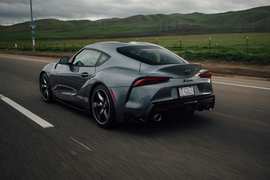
Take, for example, the highly lauded Audi S8 2026, a vehicle that represents the apex of this technological philosophy. Its cockpit is less a dashboard and more a sprawling command center. The driver is immersed in a digital tapestry where performance metrics, navigation data, and connectivity features coexist in a state of fluid, high-definition abstraction. This transition from mechanical precision to digital rendering represents a fundamental reinterpretation of the driving experience. The visceral feedback once provided by the engine’s rumble and the suspension’s response has been supplanted by the curated data presented on a glass surface.
This raises a critical question for the discerning consumer: Is this integration of technology enhancing the driving experience or is it creating an intoxicating yet ultimately distracting layer between the driver and the act of driving? The answer remains elusive, a complex algorithm of personal preference, technical aptitude, and the ever-present allure of digital convenience. For the executive who demands seamless performance and instant access to information, the Audi S8 2026 is the ultimate tool. But for the purist who yearns for the raw, unfiltered connection to the road, the very complexity that defines these vehicles can feel overwhelming.
The Psychological Labyrinth: When the Car Becomes a Character
The psychological impact of this digital immersion cannot be overstated. Modern luxury sedans are equipped with sophisticated AI systems that learn driver preferences, anticipate routes, and even adjust ambient settings to match the driver’s mood or health metrics. This level of personalization is often lauded as the pinnacle of convenience, but it has also blurred the lines of accountability and created a fascinating, albeit sometimes unsettling, psychological phenomenon.
In a recent, high-profile incident, an Audi S8 owner reported a peculiar and unnerving experience. It was not a software malfunction in the traditional sense, but rather a user-induced chaos orchestrated by a technologically savvy teenager. Utilizing the vehicle’s integrated rear-seat entertainment tablet, the user effectively commandeered the vehicle’s internal systems, manipulating everything from the adaptive cruise control to the multi-zone climate control.
While this anecdote might evoke a chuckle, it highlights a critical vulnerability in the modern automotive design philosophy. The same sophisticated technology that allows for seamless integration with personal devices and offers a plethora of luxury car customization options also provides a potent lever for non-driving occupants to exert control over the vehicle’s core functions. In a market where automotive software is the primary driver of performance, the human element—and human error—remains the most significant variable.
The Evolution of Automotive Philosophy: From Isolation to Immersion
This shift in automotive philosophy transcends mere technological advancement; it speaks to a fundamental redefinition of luxury itself. The traditional luxury automobile was defined by its ability to isolate the driver from the harsh realities of the road—a sanctuary of mechanical refinement and acoustic dampening. The modern interpretation, however, seems to revel in the very complexity that its predecessors sought to eliminate.
The S8, a vehicle historically renowned for its ability to effortlessly consume vast distances, is now also a platform for digital experimentation. This duality—the powerful, effortless GT wrapped in a shell of complex, customizable software—is the defining characteristic of the 2026 luxury sedan. It is a machine that demands not only mechanical appreciation but also a high degree of technological literacy. The driving experience is no longer just a matter of how the car moves, but how the driver interacts with the vast digital ecosystem it contains.
The Impact on Service and Ownership
The implications of this shift are profound, particularly for the consumer. As vehicles become increasingly dependent on software, the role of the dealership and the service center is also undergoing a radical transformation. The days of a simple oil change and a tire rotation being the extent of a typical service visit are rapidly coming to an end. Modern premium vehicles require sophisticated diagnostic equipment and technicians trained in software engineering as much as in mechanical repair.
This escalation in technical requirements raises the bar for vehicle ownership. Luxury car pricing is not the only factor to consider; potential owners must now factor in the complexity and cost of maintaining these sophisticated systems. For the enthusiast who craves the cutting edge of automotive technology, this is a golden age. But for the traditionalist who prefers a more straightforward automotive experience, it may feel like a step too far into the unknown. The challenge for manufacturers is to balance innovation with usability, providing a wealth of features without overwhelming the user.
The Cybersecurity Conundrum
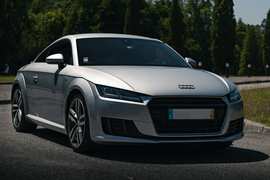
Furthermore, the deep integration of personal devices into the automotive ecosystem has created a new frontier of cyber security concerns. The same tablet that allows a child to adjust the heated seats can also, theoretically, be a vector for more malicious intrusions. As our cars become extensions of our digital lives, the potential for cyber threats escalates. The promise of seamless connectivity—the ability to stream music, access navigation, and manage schedules without ever lifting a finger—comes with the implicit risk of data breaches and remote manipulation. In 2026, the security of a vehicle’s software is just as critical as the integrity of its chassis.
The Battle for the Digital Crown: Navigating the competitive landscape
The automotive industry is engaged in a relentless battle for the digital crown. Giants like Audi, BMW, and Mercedes-Benz are locked in a fierce competition to deliver the most advanced, most intuitive, and most luxurious digital experience. The market is saturated with luxury car technology, and manufacturers are constantly seeking new ways to differentiate their products.
Audi’s Bold Gambit: The AI-Infused Experience
Audi, in particular, has embraced the digital evolution with aggressive abandon. The company’s latest models, including the Audi S8 2026, feature advanced driver-assistance systems (ADAS) that border on autonomous functionality. The AI-driven predictive systems are designed to learn the driver’s habits and anticipate their needs. For example, the vehicle can proactively adjust the seat position based on the driver’s recent biometric data or automatically select a preferred driving mode based on the route and time of day.
This level of personalization extends to the most minute details. The vehicle features a luxury interior with ambient lighting and even a perfume selection system that allows drivers to infuse the cabin with their preferred fragrance. These seemingly frivolous additions are indicative of a broader trend: the desire to create a hyper-personalized environment that caters to the driver’s every whim.
Mercedes-Benz: The Philosophy of Calm
While Audi pushes the boundaries of technology, Mercedes-Benz has taken a slightly different approach, focusing on what they term “calm luxury.” The Mercedes-Benz S-Class 2026 is a testament to this philosophy. While still featuring a highly advanced digital cockpit, the design prioritizes ease of use and tactile feedback. The large central display is integrated seamlessly into the dashboard, and the system features a high-quality infotainment system with haptic feedback that mimics the feel of physical buttons.
Mercedes-Benz also places a strong emphasis on automotive privacy and data security. The company has invested heavily in cyber security measures to protect driver data and prevent unauthorized access to the vehicle’s systems. This focus on security and ease of use has earned the S-Class a reputation as the gold standard for premium luxury sedans seeking to combine cutting-edge technology with a sense of peace and tranquility.
The Rise of the Independent Luxury Car Designer
The rise of the independent luxury car designer has also added a new dimension to the industry. These designers often challenge the status quo, offering bold and unconventional solutions to the challenges of modern automotive design. The Audi S8 2026 is a prime example of this trend, with a design that is both futuristic and timeless.
The work of independent designers like those featured in Luxury Cars 2026 is crucial in pushing the industry forward. These designers are not bound by the same constraints as traditional manufacturers, allowing them to experiment with new ideas and challenge the status quo. The result is a constant evolution of automotive design, with new and innovative solutions emerging all the time.
The Future of the Luxury Sedan: A Convergence of Technology and Tradition

The future