
The Ultimate Mazda CX-5 Buyer’s Guide: Navigating Value, Durability, and Model Years for 2025 and Beyond
As an automotive industry veteran with a decade immersed in the dynamic world of vehicle acquisition and analysis, I’ve witnessed firsthand the evolution of the compact SUV segment. Among the stalwarts, the Mazda CX-5 has consistently carved out a unique niche, blending engaging driving dynamics with sophisticated design, a combination that continues to resonate with discerning buyers. This comprehensive guide will delve deep into the Mazda CX-5’s journey, from its inception to its cutting-edge 2025 iteration, offering insights into cost-effectiveness, long-term reliability, and the most advantageous model years to consider for your next automotive investment.
The compact crossover market, a fiercely competitive arena, saw the Mazda CX-5 enter the fray in 2013. While Mazda had previously offered SUVs, the CX-5 was its first to truly capture the brand’s hallmark “Jinba Ittai” – the oneness of horse and rider – translating into an unusually spirited and car-like driving experience for its class. Positioned to contend with established players like the Honda CR-V and Toyota RAV4, the CX-5 distinguished itself with a sportier ethos. Freed from the constraints of accommodating a third row, unlike its larger sibling, the CX-9, the CX-5 could unapologetically prioritize agile handling and an engaging connection to the road.
The Genesis: First-Generation (2013-2017) – A Revolution in Motion
The inaugural CX-5 was a pivotal moment for Mazda, serving as the production debut of their “Kodo – Soul of Motion” design language. This philosophy aimed to imbue static objects with a sense of dynamic movement, a principle immediately evident in the CX-5’s flowing lines and sculpted physique. Equally significant was the integration of Mazda’s innovative “Skyactiv” technologies. These weren’t merely incremental improvements; they represented a holistic approach to enhancing efficiency and performance without resorting to the prevailing trend of engine downsizing. Skyactiv encompassed lightweight construction, optimized transmissions, and efficient combustion, all designed to extract more from larger-displacement engines. This distinct engineering philosophy, while perhaps less flashy than turbocharging, allowed Mazda to deliver a potent yet economical package, coupled with sharp aesthetics and the promised sporty handling. The drivetrain options consisted of front-wheel drive as standard, with all-wheel drive available, powered by Skyactiv gasoline engines mated to either a responsive six-speed manual or a smooth six-speed automatic transmission.
When evaluating Mazda CX-5 cost across its generations, the first iteration offers an accessible entry point for those seeking a capable and stylish compact SUV. Used models from this era, particularly those with higher mileage, can be found for under $10,000, presenting a compelling value proposition. However, it’s crucial to perform thorough due diligence.
Second Generation (2017-2025): Elevated Sophistication and Performance
The second-generation CX-5, arriving for the 2017 model year, marked a significant leap forward in both design and refinement. The exterior adopted an even more sophisticated and athletic stance, while the interior blossomed into a near-premium sanctuary. Mazda’s commitment to tactile quality and ergonomic design became abundantly clear, creating an environment that felt a class above many rivals. The powertrain lineup saw further evolution. The previous 2.0-liter engine was retired, replaced by a standard 2.5-liter Skyactiv engine paired with the six-speed automatic transmission, still available in front-wheel or all-wheel drive configurations. A game-changer arrived in 2019 with the introduction of the 2.5-liter turbocharged engine, denoted as the “2.5T.” This addition injected a welcome surge of power, significantly enhancing the CX-5’s performance credentials and further solidifying its driver-centric appeal.
For those prioritizing a balance of modern features and dynamic driving, the second-generation Mazda CX-5 generally represents the superior choice for many buyers. Its blend of refined aesthetics, advanced technology (for its time), and robust performance makes it a highly desirable option on the used market. Mazda CX-5 reliability in this generation is generally considered strong, with independent surveys often placing Mazda above the industry average. However, like any vehicle, certain model years or specific issues warrant attention. Owners have reported occasional concerns with engine performance, particularly in earlier models, and some windshield seal integrity issues. Despite these, the overall Mazda CX-5 dependability record remains a key selling point.
When exploring Mazda CX-5 pricing for the second generation, expect a wider spectrum. Well-maintained examples with under 100,000 miles typically start around the $12,500 mark. Higher-mileage units will naturally be more affordable, while near-new, top-tier trims can command prices approaching the original MSRP, often in the mid-$30,000s for certified pre-owned options. For those considering used Mazda CX-5 deals, the second generation offers a sweet spot of value and modernity, especially if you can find a well-equipped model from 2018-2021.
Third Generation (2026-Present): A New Chapter of Practicality and Connectivity
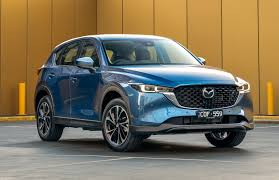
The unveiling of the third-generation Mazda CX-5 for the 2026 model year signals a strategic shift, with Mazda placing a renewed emphasis on interior space and practicality, alongside its signature style. The vehicle has undergone a noticeable expansion in dimensions, both externally and internally, promising enhanced comfort and utility for families and adventurers alike. A standout feature is the colossal 15.6-inch touchscreen, now powered by Google built-in, ushering the CX-5’s infotainment system into a new era of seamless integration and intuitive control. While the familiar 2.5-liter engine continues to serve as the launch powertrain, anticipation is high for the introduction of a hybrid variant in 2027, marking Mazda’s first electrification for the CX-5.
This new generation is positioned to compete more directly on space with larger SUVs, offering improved legroom, headroom, and a more voluminous cargo area, all while maintaining the ease of ingress and egress with larger door openings. The integration of Google’s AI assistant, personalized saved places within Google Maps, and access to the Google Play Store signifies a significant technological advancement. The starting MSRP for the 2026 CX-5 is projected to be around $31,485, with top trims reaching approximately $41,485. This positions the new CX-5 in a more premium segment, reflecting its expanded size and advanced technology.
Understanding Mazda CX-5 Reliability: A Deeper Dive
While both generations boast generally good Mazda CX-5 reliability, nuanced differences exist. The first generation, while lauded for its driving dynamics, exhibited a more pronounced susceptibility to certain mechanical and electrical issues, particularly in the 2014 and 2016 model years. Owners have cited engine problems and electrical gremlins as areas requiring attention. The second generation, benefiting from more mature Skyactiv technologies and refinement, generally presents a more robust reliability profile. However, reports of windshield seal issues and occasional engine sensor glitches have surfaced.
For those seeking the best Mazda CX-5 year to buy, focusing on the second generation, particularly from 2018 onwards, often yields the most consistent reliability. Mazda’s commitment to continuous improvement means later model years within a generation tend to iron out earlier kinks. The 2021-2023 model years, for instance, often represent a sweet spot, incorporating infotainment updates and refined mechanicals. The introduction of the 2.5T engine in 2019 added a layer of performance but also a slightly higher potential for maintenance costs compared to the naturally aspirated 2.5L.
Navigating Mazda CX-5 Costs: New vs. Used
The Mazda CX-5 purchase price varies significantly by generation and condition. As new vehicles, the first generation launched in the low-$20,000s, while the second generation’s MSRP climbed into the high-$20,000s to low-$30,000s, with top trims exceeding $40,000 before the 2026 model’s premium positioning.
On the used market, the average Mazda CX-5 price presents compelling opportunities. A used Mazda CX-5 for sale from the first generation, with over 100,000 miles, can be found for as little as $6,000. However, for a more reliable and feature-rich experience, budgeting around $10,000-$21,000 for a lower-mileage first-gen model is more realistic. For the second generation, expect to pay between $12,500 and $35,000, depending heavily on mileage, trim level, and year. This wide range offers flexibility for various budgets, whether you’re searching for affordable Mazda CX-5 models or near-new options.
High-CPC Keywords & Local Search Intent:
When considering the broader market and specialized searches, terms like “Mazda CX-5 lease deals,” “Mazda CX-5 financing options,” and “CX-5 AWD vs FWD comparison” are highly relevant and often carry higher CPC (Cost Per Click) in advertising due to buyer intent. Localized searches such as “Mazda CX-5 for sale near me” or “Mazda CX-5 dealer [city name]” are critical for dealerships and buyers seeking immediate availability. For example, a buyer in Chicago, IL, might search for “Mazda CX-5 lease Chicago” or “used Mazda CX-5 prices Aurora.”
The “Worst” Mazda CX-5 Years: What to Watch For
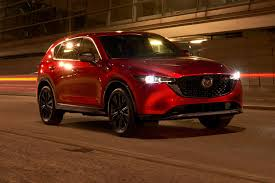
While no vehicle is entirely without its quirks, the worst Mazda CX-5 years generally point to early production models of the first generation. Specifically, 2014 and 2016 models have been flagged by owner forums and reliability reports for a higher incidence of engine and electrical system issues. Premature brake wear was also noted in some early first-gen vehicles. While the second generation is broadly more reliable, some early 2017 and 2018 models might present the occasional infotainment glitch or minor electrical anomaly that was later addressed through software updates or design tweaks. It’s always advisable to consult resources like Consumer Reports and RepairPal for specific year-by-year reliability ratings.
Mazda CX-5 Pros and Cons: A Balanced Perspective
Pros:
Exceptional Driving Dynamics: Consistently praised for its sporty handling and engaging driving experience, setting it apart from rivals.
Premium Interior Feel: Even base models offer a well-appointed interior with high-quality materials, particularly evident in the second and third generations.
Striking Design: Both interior and exterior styling are consistently lauded for their sophistication and elegance.
Advanced Safety Features: Mazda vehicles are typically equipped with a comprehensive suite of standard safety technologies.
Fuel Efficiency (Naturally Aspirated Engines): The Skyactiv-G 2.5L engine offers a commendable balance of performance and economy.
Cons:
2.5T Fuel Economy: The turbocharged engine, while powerful, is less fuel-efficient, a common trade-off for enhanced performance.
Infotainment System (Older Generations): While improved in the latest models, earlier infotainment systems could feel slightly dated or less intuitive compared to some competitors.
Less Cargo Space than Some Rivals: While spacious, some competitors in the compact SUV segment offer marginally more cargo volume.
Ride Comfort (2.5T Models): The sportier suspension tuning on turbocharged variants can result in a firmer ride compared to softer-riding competitors.
The Verdict: Is a Used Mazda CX-5 a Good Investment?
The Mazda CX-5, across its generations, has consistently proven to be a compelling option for those seeking a compact SUV that doesn’t compromise on driving pleasure or sophisticated design. For buyers prioritizing value and an engaging drive, a well-maintained used Mazda CX-5 offers an exceptional opportunity to acquire a premium-feeling vehicle at a significantly reduced cost. The second-generation models, particularly from 2018 onwards, represent a strong balance of modern amenities, robust performance, and commendable reliability.
As you navigate the market for your next vehicle, remember that thorough inspection, a comprehensive vehicle history report, and potentially a pre-purchase inspection by a trusted mechanic are indispensable steps. The best year Mazda CX-5 for you will ultimately depend on your specific priorities – whether it’s the absolute lowest entry cost, the latest technology, or a specific performance profile. By understanding the nuances of each generation and key model years, you can make an informed decision that delivers years of enjoyable and reliable motoring.
Ready to experience the Mazda CX-5 difference firsthand? Explore our curated selection of new and pre-owned models today, or schedule a personalized test drive to discover the perfect fit for your lifestyle. Our expert team is here to guide you through every step of the process, ensuring you find not just a car, but a driving companion.