
The Mazda CX-5: A Decade of Driving Dynamics and Evolving Sophistication
For over ten years, the Mazda CX-5 has carved out a distinct niche in the crowded compact SUV landscape. Far from just another utilitarian family hauler, the Mazda CX-5 has consistently championed a driving experience that transcends its segment, blending sharp handling, sophisticated design, and evolving technology. As an industry veteran with a decade immersed in automotive trends and consumer preferences, I’ve witnessed firsthand how the Mazda CX-5 has matured, offering discerning buyers a compelling blend of sportiness and everyday practicality. This guide delves into the cost, reliability, and the most advantageous years to acquire a pre-owned Mazda CX-5, providing insights that go beyond the surface-level specifications.
The story of the Mazda CX-5 began in 2013, arriving as Mazda’s bold statement in the burgeoning crossover market. While Mazda had previously produced SUVs, the CX-5 was the first to truly embody the brand’s spirited ethos – that exhilarating feeling of motion, known as “Kodo” design, even in a stationary object. This design philosophy, coupled with the innovative Skyactiv technologies, set the Mazda CX-5 apart. Skyactiv wasn’t about brute force; it was a holistic approach to engineering focused on maximizing efficiency without sacrificing performance. This meant lightweight construction, meticulously tuned powertrains, and a refusal to chase the trend of smaller, turbocharged engines prevalent among competitors. Instead, Mazda opted for larger-displacement, naturally aspirated Skyactiv gasoline engines, paired with a smooth six-speed automatic transmission, a choice that underscored their commitment to a more engaging, linear power delivery. Front-wheel drive was the standard configuration, with all-wheel drive available as an option, catering to a wider spectrum of driver needs and climates. This initial offering of the Mazda CX-5 immediately established it as a driver’s choice in a segment often characterized by compromise.
Evolution Through Generations: The Mazda CX-5 Journey
The Mazda CX-5 has undergone significant transformations across its generations, each iteration building upon the strengths of its predecessor while introducing advancements in design, technology, and performance.
The Second Generation (2017-2025): A Leap in Refinement and Power
Introduced for the 2017 model year, the second-generation Mazda CX-5 represented a substantial evolution. Its exterior design grew even more sculpted and sophisticated, an aesthetic that continued inside with a cabin that exuded near-premium quality. The materials felt richer, the layout more intuitive, and the overall ambiance was a significant step up from many rivals. Powertrain options were refined, with the naturally aspirated 2.5-liter Skyactiv engine becoming the standard, delivering a more robust performance than the earlier 2.0-liter option. The six-speed automatic transmission remained, now exclusively paired with either front-wheel or the highly capable “i-Activ” all-wheel drive system.
A pivotal moment for the second-generation Mazda CX-5 arrived in 2019 with the introduction of the potent 2.5T turbocharged engine. This addition significantly amplified the CX-5’s sporting credentials, providing a surge of acceleration that was truly impressive for a compact SUV. With 250 horsepower and 320 lb-ft of torque on premium fuel, this engine option transformed the Mazda CX-5 into a genuinely quick and exhilarating machine, especially when paired with the AWD system. While a diesel engine was briefly offered, its limited appeal and discontinuation meant the focus remained firmly on the gasoline powertrains.
The trim levels evolved as well, starting with familiar designations like Sport, Touring, and Grand Touring, each offering increasing levels of comfort and convenience features. However, by 2022, Mazda significantly restructured the lineup, with AWD becoming standard across all models and an expanded array of trims like S, S Select, S Preferred, S Carbon Edition, S Premium, S Premium Plus, 2.5 Turbo, and 2.5 Turbo Signature. This period also saw the introduction of the Mazda CX-50, a slightly larger and more rugged sibling, emphasizing Mazda’s strategy of offering distinct yet complementary SUV options. The higher trims of the second-generation Mazda CX-5, particularly those equipped with the 2.5T engine, often came loaded with premium amenities such as Nappa leather, heated rear seats, wireless Apple CarPlay and Android Auto, and advanced navigation systems, further blurring the lines between mainstream and luxury.
Reliability for the second-generation Mazda CX-5 has generally been strong, with Mazda consistently scoring well in independent surveys like Consumer Reports and J.D. Power. While no vehicle is entirely immune to issues, common owner-reported concerns have occasionally included engine performance nuances, windshield durability, and infotainment system quirks. However, these are typically outweighed by the overall positive ownership experience. The standard manufacturer warranty, covering three years or 36,000 miles for the vehicle and five years or 60,000 miles for the powertrain, provides a solid foundation of protection for new and used buyers alike.
When considering a used Mazda CX-5 from this generation, prices for models with under 100,000 miles typically start around $12,500. However, higher-mileage examples can be found for less, while well-maintained, nearly new top-tier trims can still command prices close to their original MSRP, offering a substantial saving on a brand-new vehicle. The Mazda CX-5 price in the used market reflects its enduring appeal and retained value.
The First Generation (2013-2017): The Foundation of Driving Fun
The debut of the first-generation Mazda CX-5 in 2013 marked a significant shift for Mazda in the compact SUV segment. Drawing inspiration from the dynamic styling of the Mazda3 and Mazda6, the CX-5 presented a refreshing departure from the boxy designs common at the time. Its “Kodo” design language, with flowing lines and a prominent grille that seamlessly integrated with the headlights, gave it a distinctive and athletic stance. This sporty aesthetic was not merely skin deep; the CX-5’s chassis and suspension were tuned for nimble handling, offering a more engaging driving experience than its peers.
Initially, power came from a 2.0-liter Skyactiv-G engine producing 155 horsepower. While adequate for daily commuting, it sometimes felt a touch underpowered for the CX-5’s dynamic chassis. This was rectified in 2014 with the introduction of the more potent 2.5-liter engine, offering an additional 29 horsepower and a noticeable improvement in responsiveness. Front-wheel drive remained standard, with AWD an available option.
Trim levels for the first generation included Sport, Touring, and Grand Touring. The Sport offered essential features, while the Touring trim provided a significant upgrade with a power driver’s seat, blind-spot monitoring, and a rear-view camera. The Grand Touring elevated the comfort and luxury with features like leather upholstery and a premium audio system. A 2016 update brought minor styling refinements and introduced LED headlights and a city braking system.

Reliability for the first-generation Mazda CX-5 has been a mixed bag according to owner reports. While Mazda generally holds a respectable reputation, certain model years, particularly 2014 and 2016, have seen more frequent complaints related to engine and electrical systems. Premature brake wear has also been noted. Despite these potential issues, many owners report good long-term reliability, especially with diligent maintenance.
For prospective buyers looking at the first generation, used examples with under 100,000 miles typically range from $10,000 to $12,000. High-mileage vehicles can be found for under $6,000, though these may require more immediate attention. Lower-mileage, well-maintained examples from the later years of this generation can still be found for around $21,000. Understanding the Mazda CX-5 reliability by model year is crucial for this generation.
The Third Generation (2026-Present): A New Era of Space and Technology
The arrival of the third-generation Mazda CX-5 for the 2026 model year signifies a strategic shift, with a heightened emphasis on passenger and cargo space alongside continued refinement of its design and technology. Visually, it adopts an even more evolved Kodo design, aligning with the larger CX-70 and CX-90 models, and features prominent “MAZDA” lettering on the rear. The most striking aspect of this new generation is its increased dimensions, offering noticeably more room for occupants and cargo, with lower lift-in heights for easier loading.
Technology takes a monumental leap forward with the integration of a massive 15.6-inch touchscreen featuring Google built-in. This advanced infotainment system includes the Google Gemini AI assistant, enhanced Google Maps with personalized saved locations, and seamless access to the Google Play Store, all presented with a customizable, smartphone-like interface. Ambient lighting with seven color options adds a touch of modern luxury. Mazda has also promised the introduction of several new advanced driver-assistance systems.
Under the hood, the launch model is powered by a recalibrated 2.5-liter Skyactiv four-cylinder engine, producing 187 horsepower and 185 lb-ft of torque. Crucially, Mazda has confirmed that a hybrid powertrain will join the lineup in 2027, marking the CX-5’s first foray into electrification. Pricing for the third generation is expected to start around $31,485 for the base model and extend to $41,485 for the top trim. This generation positions the Mazda CX-5 to compete directly with a broader range of family-oriented SUVs, while still promising an engaging driving experience.
Navigating the Mazda CX-5 Market: Key Considerations
When embarking on your Mazda CX-5 buying journey, whether new or used, several factors are paramount for making an informed decision.
Cost and Value: The Mazda CX-5 cost varies significantly by generation, model year, trim level, and mileage. The first generation offers the most budget-friendly entry point, ideal for those seeking the foundational CX-5 driving experience at a lower price. The second generation, particularly the later models with more advanced features and the powerful 2.5T engine, commands higher prices but provides a more refined and potent package. The third generation, as a new model, represents the peak of current technology and design, with corresponding pricing. When evaluating used models, focus on vehicles with a verifiable maintenance history. Websites like Edmunds, Kelley Blue Book (KBB), and CarGurus can provide invaluable Mazda CX-5 pricing data and insights into market trends. For those specifically searching for a used Mazda CX-5 near me, local dealerships and online used car marketplaces will be your primary resources.
Reliability and Maintenance: As discussed, reliability can vary by generation and specific model year. While the Mazda CX-5 reliability is generally considered good to above average, understanding common issues for specific years is crucial. Websites like RepairPal and CarComplaints.com offer detailed insights into owner-reported problems and their frequency. When purchasing a used Mazda CX-5, consider investing in a pre-purchase inspection by an independent mechanic specializing in Mazda vehicles. This can uncover potential issues before you commit, potentially saving you significant repair costs down the line. Routine maintenance, such as oil changes, tire rotations, and fluid checks, are essential for maximizing the lifespan and performance of any Mazda CX-5.
Best Years to Buy:
For Value and Fun: The 2014-2016 model years of the first generation, equipped with the 2.5-liter engine, offer a fantastic blend of sporty driving dynamics and affordability. While some minor electrical or engine concerns have been reported for specific years, diligent inspection and maintenance can mitigate these risks.
For a Premium Experience: The second-generation Mazda CX-5, particularly from 2019 onwards with the introduction of the 2.5T engine and updated infotainment, represents a significant leap in refinement, power, and technology. Models from 2021-2025 offer the most advanced features and the highest level of polish within this generation.
For Cutting-Edge Technology: The all-new 2026 Mazda CX-5 and subsequent model years will undoubtedly be the benchmark for the latest in automotive innovation, offering unparalleled connectivity and potentially hybrid powertrains.
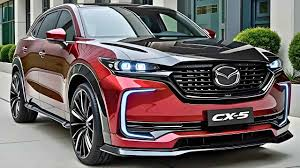
Features and Trims: The Mazda CX-5 is known for its well-equipped nature even in lower trims. Standard features across the lineup typically include essential safety systems like automatic emergency braking, lane departure warning, and adaptive cruise control. Higher trims offer premium amenities such as leather upholstery, advanced sound systems, panoramic sunroofs, and larger infotainment displays. When searching for a Mazda CX-5 Touring or Mazda CX-5 Grand Touring, pay attention to the specific feature packages offered for that model year, as they can vary.
Driving Dynamics and Performance: The hallmark of the Mazda CX-5 has always been its engaging driving experience. Even the base models offer a more connected feel to the road than many competitors. The 2.5-liter engine provides capable acceleration for daily driving, while the 2.5T engine delivers thrilling performance. If you prioritize a dynamic and enjoyable drive, any Mazda CX-5 is a strong contender. If you’re looking for the absolute best in terms of power and responsiveness, the 2.5T models are the clear winners. For those interested in the latest advancements, the upcoming hybrid powertrain in the third generation promises a blend of efficiency and spirited Mazda driving.
Beyond the Specs: The Mazda CX-5 Ownership Experience
Owning a Mazda CX-5 means more than just driving a car; it’s about embracing a philosophy of automotive craftsmanship and driver engagement. It’s about that satisfying click of the door closing, the tactile feel of the steering wheel, and the smooth, responsive power delivery that makes even mundane errands feel a little more special. From the sophisticated curves of its Kodo design to the intuitive integration of its technology, the Mazda CX-5 consistently delivers a premium experience without the premium price tag. For anyone considering an SUV that offers a genuine connection to the road and a touch of class, the Mazda CX-5 remains a top-tier choice.
As you weigh your options and explore the current market, consider what truly matters most in your next vehicle. Are you looking for the most economical entry into the Mazda driving experience, or are you seeking the pinnacle of performance and technology? The Mazda CX-5 offers a compelling pathway for a wide range of drivers.
We encourage you to explore your local Mazda dealerships, take a Mazda CX-5 for an extended test drive, and compare different model years and trims. This hands-on experience is invaluable in understanding how the Mazda CX-5 truly feels on the road and how it aligns with your personal driving preferences and lifestyle needs. Discover the Mazda CX-5 that’s right for you and embark on a journey of refined driving and everyday adventure.