
The Enduring Legacy: Navigating the Honda Accord’s Evolution for Smart Buyers
For nearly five decades, the Honda Accord has stood as a towering figure in the automotive landscape, a benchmark against which mid-size sedans are measured. Its enduring appeal isn’t rooted in flashy trends or fleeting novelty, but in a steadfast commitment to refinement, reliability, and a driving experience that consistently exceeds expectations. For families and discerning individuals seeking dependable transportation without compromising on comfort or engagement, the Accord has been the trusted choice. While its silhouette and technological accoutrements have evolved dramatically since its inception, the core tenets of the Honda Accord – its unwavering quality, practical utility, and enjoyable dynamics – remain constants.
Born from a desire for a larger, more sophisticated iteration of the popular Honda Civic, the Accord has steadily grown, expanding its footprint to the point where it now comfortably occupies the “large car” classification according to EPA standards. This growth translates directly into a cavernous trunk and an exceptionally spacious rear seating area, offering a level of accommodation rarely found in its segment. The meticulous attention to detail in its assembly and material selection consistently imbues the Accord with a near-luxury ambiance, particularly in its higher trim levels, where supple leather appointments elevate the cabin experience. Honda’s infotainment systems, a crucial touchpoint for modern drivers, are lauded for their intuitive design and user-friendliness, with contemporary Accords proudly featuring wireless Apple CarPlay and Android Auto integration, seamlessly connecting occupants to their digital worlds via expansive touchscreens.
Beyond the creature comforts, Honda has proactively integrated advanced safety technologies, transforming the Accord into a veritable fortress on wheels. Commencing with its tenth generation, every Accord model comes equipped as standard with the comprehensive Honda Sensing suite of active safety and driver-assistance features. This suite acts as a vigilant co-pilot, encompassing lane-keeping assist, adaptive cruise control designed to maintain a set distance from the vehicle ahead, forward collision braking to mitigate potential impacts, and road-departure mitigation systems. This robust safety architecture, coupled with Honda’s renowned structural integrity, has consistently resulted in the Accord earning prestigious Top Safety Pick accolades from the Insurance Institute for Highway Safety (IIHS) and strong endorsements from the National Highway Traffic Safety Administration (NHTSA).
When embarking on the journey to buy a used Honda Accord, prospective owners are met with a rich tapestry of model years, each offering a unique blend of features, performance, and value. Understanding these generational shifts is paramount to making an informed decision. While the Honda Accord has a storied reputation for reliability, as with any complex machine, certain model years or specific configurations might present known challenges. This guide aims to demystify the Accord’s lineage, providing insights into cost considerations, documented reliability trends, and highlighting the best years to acquire a pre-owned Honda Accord that perfectly aligns with your needs and budget.
Navigating the Generations: A Deep Dive into Used Honda Accord Values and Performance
The Honda Accord’s nearly fifty-year history is a testament to its adaptability and enduring appeal. From its humble beginnings as a larger Civic to its current status as a refined, spacious, and technologically advanced sedan, each generation represents a chapter in automotive evolution. For those considering a used Honda Accord for sale, understanding the nuances of each era is crucial for finding the best value and most reliable option.
Eleventh Generation (2023-Present): The Modern Standard
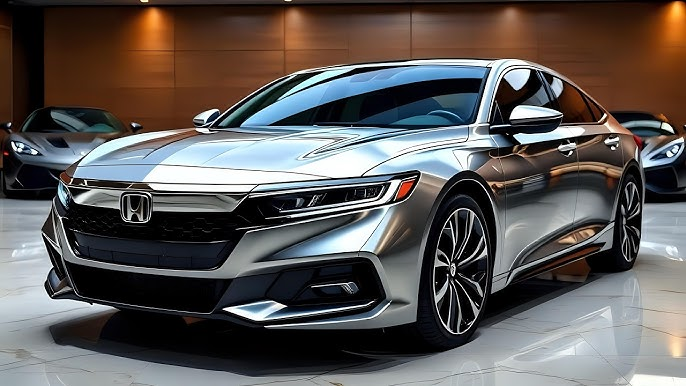
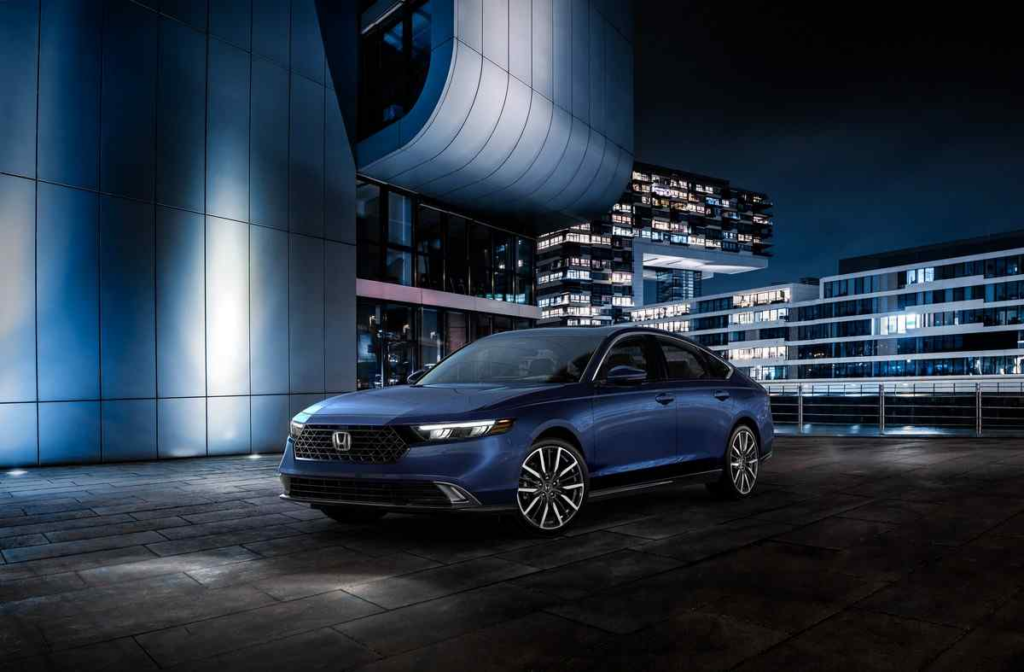
The current, eleventh generation of the Honda Accord arrived in 2023, presenting a refreshed, albeit evolutionary, take on its celebrated predecessor. Honda’s philosophy here was refinement, not revolution. The most significant shift lies in its powertrain strategy: the hybrid system is now the dominant offering, standard on most trims. Only the entry-level LX and the slightly more equipped EX models retain the 1.5-liter turbocharged gasoline engine, paired with the familiar Continuously Variable Transmission (CVT). The potent 2.0-liter turbocharged engine, a favorite among enthusiasts in the previous generation, has been discontinued.
Visually, Honda adopted a more conservative design language, aligning the Accord with its latest styling cues. The real transformation occurs within the cabin. A striking new metal dashboard trim and an updated touchscreen infotainment system lend an air of sophisticated refinement. All trims benefit from standard Bluetooth, wireless Apple CarPlay, and Android Auto. A welcome nod to traditionalists is the continued presence of physical controls for the radio and dual-zone climate system.
The comprehensive Honda Sensing suite of advanced driver-assistance systems (ADAS) is standard across the board, featuring adaptive cruise control with traffic-jam assist, forward collision warning, automatic emergency braking, road-departure mitigation, lane-departure warning, lane-keeping assist, and lane-centering assist. Additional safety amenities include a multi-view rearview camera, automatic high-beam headlights, traffic-sign recognition, and a driver-monitoring system. Minor adjustments for the 2025 model year saw the EX trim replaced by the SE, offering a more stylish, blacked-out appearance and standard heated front seats. For 2026, infotainment screens were enlarged on lower trims, and wireless smartphone integration became standard.
New vehicle pricing for gasoline models starts in the high $20,000s, with hybrids beginning in the mid-$30,000s. These figures place the Accord squarely in competition with rivals like the Toyota Camry, Nissan Altima, and Hyundai Sonata, as well as a broad spectrum of SUVs including the Toyota RAV4 and Honda’s own CR-V. Reliability for this generation, though still relatively new, is expected to be robust, building upon the proven track record of its powertrains. Used examples of this generation are beginning to appear, with gas models typically ranging from the mid-$20,000s to the high $20,000s, and hybrids a bit higher.
Tenth Generation (2018-2022): A Bold Leap Forward
The 2018 model year marked a dramatic overhaul for the Honda Accord, ushering in its tenth generation with a completely new design, revised powertrain options, and a significantly upgraded interior and safety technology package. Gone were the coupe body style and the beloved V6 engine, replaced by a focus on turbocharged four-cylinder power and an exclusively sedan form factor. Despite these significant changes, the Accord maintained its position as a class leader for family sedans.
The interior design remained elegantly simple and user-friendly, with the infotainment system controlled via a central touchscreen that supported Apple CarPlay and Android Auto. Physical HVAC controls were conveniently located below. Rear-seat space was further enhanced, providing a truly expansive experience often described as “luxury-car massive.” Cargo capacity remained best-in-class.
Under the hood, buyers could choose between two turbocharged four-cylinder engines: a 1.5-liter producing 192 horsepower, paired with a CVT, or a more potent 2.0-liter engine (derived from the Civic Type R) delivering 252 horsepower, matched with a 10-speed automatic transmission. Notably, a six-speed manual transmission was available on the Sport trim, offering a welcome option for driving enthusiasts. The Accord Hybrid also returned, utilizing an updated version of the previous generation’s hybrid system, delivering a combined 212 horsepower.
Honda Sensing was made standard across all trims, significantly boosting the car’s safety credentials and contributing to its continued IIHS Top Safety Pick status. A mid-cycle refresh in 2021 brought minor exterior styling tweaks and updated LED headlights, but it also marked the discontinuation of the manual transmission option due to low demand.
Reliability in the tenth generation has been generally excellent, though early models (2018-2019) experienced some issues with HVAC systems and AC compressors, along with sporadic Bluetooth connectivity glitches that were largely resolved in later years. A fuel pump recall affected 2018-2020 models. Pre-facelift tenth-gen models typically sell in the $20,000-$22,000 range, while the refreshed 2021-2022 models command a premium, often in the mid-$20,000s. Hybrid variants, particularly facelifted ones, have held their value exceptionally well.
Ninth Generation (2013-2017): Refined Comfort and Technology
The ninth-generation Accord, introduced for the 2013 model year, continued Honda’s tradition of evolutionary design. While its overall shape echoed its predecessor, updated styling elements gave it a contemporary edge. Inside, Honda addressed previous criticisms, offering a user-friendly layout and comfortable seating.
The primary advancements were under the hood. New 2.4-liter four-cylinder engines featured direct injection and were paired with a new CVT, delivering improved fuel efficiency and a pleasant driving experience. A six-speed manual transmission remained an option for the four-cylinder. The 3.5-liter V6 engine was uprated to 278 horsepower and mated to a traditional six-speed automatic. Enthusiasts would be drawn to the two-door coupe variants, especially those equipped with the V6 and a six-speed manual, celebrated for their engaging driving dynamics.
The Honda Accord Hybrid was reintroduced for this generation, employing a 2.0-liter four-cylinder engine paired with two electric motors, producing a combined 196 horsepower. This hybrid variant was remarkably fuel-efficient, achieving EPA ratings of 50 mpg city, 45 mpg highway, and 47 mpg combined.
A significant update came with the 2016 mid-cycle refresh, which included updated exterior styling and, crucially, the integration of Apple CarPlay and Android Auto, making the Accord one of the first mainstream vehicles to offer this technology. Reliability remains a strong suit for this generation, with most owners reporting only routine maintenance needs. A common, albeit generally minor, issue observed was with the starter motor on certain four-cylinder models from 2013-2015.
Pre-facelift ninth-gen Accords typically range from $12,000 to $14,000. The refreshed 2016-2017 models are generally found in the $16,000 range for good examples. Those seeking the V6 or hybrid powertrains should anticipate a higher price point.
Eighth Generation (2008-2012): Spaciousness and Refinement
The 2008 model year saw a complete redesign for the Honda Accord, marking its eighth generation. This iteration grew in size – longer, wider, and taller – solidifying its status as a “large car” by EPA standards. This expansion resulted in a more spacious interior and improved comfort for all occupants.
Powertrain options included a 2.4-liter four-cylinder engine producing 177 horsepower, with a more powerful 190-horsepower version available on higher trims. For those seeking greater performance, the 3.5-liter V6 offered a robust 268 horsepower. The two-door coupe was available with the V6 and a six-speed manual transmission, appealing to enthusiasts.
In its top EX-L V6 trim, the eighth-gen Accord sedan offered a near-luxury experience, with leather upholstery, a premium audio system, and a host of comfort features. Safety was also a priority, with all trims featuring standard ABS, Vehicle Stability Assist (VSA), Brake Assist, and a tire-pressure monitoring system (TPMS), leading to IIHS Top Safety Pick recognition.
While the hybrid powertrain was absent from this generation due to slower sales of its predecessor, the four-cylinder models still offered commendable fuel economy, with highway ratings up to 34 mpg. A notable issue reported for 2008-2010 models was excessive brake wear, which Honda addressed with redesigned brake pads. Some 2008-2009 models also saw reports of airbag issues.
Used eighth-generation Accords typically start around $8,000 for four-cylinder models, with V6 variants commanding a premium, reaching up to $12,000 for lower-mileage examples. The V6 coupe with a manual transmission is a particularly rare and sought-after configuration.
Seventh Generation (2003-2007): A Stylistic Shift and Powertrain Woes
The seventh generation, introduced in 2003, embraced a more sculpted, “muscular” design language. Stylistically, the coupe and sedan shared distinct front-end designs. Under the hood, the four-cylinder engine received VTEC technology, enhancing its performance and efficiency. The V6 engine was boosted to 240 horsepower, and crucially, a six-speed manual transmission became available on the coupe, transforming it into an agile and entertaining performer.
The interior remained clean and logical, offering excellent space, particularly in the sedan. Luxury features like heated front seats and dual-zone climate control were available on EX models. The Honda Accord Hybrid debuted in 2005, not as an efficiency-focused model, but as the most powerful variant, combining the V6 with Honda’s hybrid system for a combined 255 horsepower. It came equipped with premium features like leather seating and a premium sound system.
A 2006 refresh brought minor styling updates and modest power increases. The six-speed manual became available on the sedan, and the hybrid received an upgraded battery.
This generation is known for a significant reliability concern: automatic transmission problems, particularly on V6 models equipped with the automatic transmission. Four-cylinder and manual transmission models were generally unaffected. This generation was also part of the widespread Takata airbag recall.
Expect to pay between $5,000 and $7,000 for a decent seventh-generation Accord. The more enthusiast-oriented V6 manual coupes and sedans will command a higher price.
Sixth Generation (1998-2002): Growing Pains and US Production
The sixth generation saw the Accord continue its growth, nearing full-size sedan dimensions, boasting one of the most spacious rear seats in the mid-size class. This generation was largely new, featuring a fresh body, platform, and a new 3.0-liter V6 engine. Notably, this was the first Accord generation to be produced entirely in the United States.
The sedan offered a more subdued exterior design compared to its predecessor, while the two-door coupe garnered praise for its sleek profile and NSX-inspired rear-end styling. The new 3.0-liter V6 delivered a respectable 200 horsepower, and its automatic transmission saw improvements over previous iterations. The standard 2.3-liter four-cylinder remained a fuel-efficient option, rated at 31 mpg highway with the five-speed manual.
The interior maximized its generous dimensions, offering comfortable seating and excellent visibility. The rear seat provided ample room for three passengers, now equipped with three-point seat belts.
Despite its advancements, the sixth generation is known for one significant Achilles’ heel: the automatic transmission used with the V6 engine was prone to failure, leading to class-action lawsuits. Later models (2001-2002) were also part of the Takata airbag recall. Four-cylinder variants are generally considered much more reliable.
Four-cylinder sixth-gen Accords can often be found for around $5,000. Coupes and V6 models will command higher prices, potentially exceeding $10,000 for well-maintained examples.
Fifth Generation (1994-1998): North American Focus and Enthusiast Appeal
For the first time, the fifth-generation Accord was specifically designed with the North American market in mind. It grew in width while maintaining its length, keeping it firmly within the mid-size classification. The introduction of an optional V6 engine, producing 170 horsepower, marked a significant performance step.
This generation was lauded for its engaging driving dynamics and handling, attributed to its front and rear double-wishbone suspension, a setup also found in the sporty Prelude. The standard 2.2-liter four-cylinder, now featuring VTEC, produced 145 horsepower and was renowned for its smoothness.
The slightly increased exterior dimensions translated into a more comfortable interior, especially for taller occupants. The cabin, while perhaps dated to some, was user-friendly and ergonomic, with a focus on soft-touch materials for a premium feel. Available as a sedan, coupe, or wagon, it offered broad appeal.
Common issues with the 1994-1997 Accords are primarily age-related. A faulty speedometer sensor and premature wheel bearing wear were noted. A significant security concern was the car’s popularity among thieves during this period.
Prices for driver-quality fifth-gen models start around $5,000, with pristine, low-mileage examples reaching up to $17,000. These Accords are increasingly recognized for their simplicity and enjoyable driving characteristics.
Fourth Generation (1990-1993): Aerodynamics and Refinement
The fourth-generation Accord, introduced in 1990, embraced a sleeker, more aerodynamic design, bidding farewell to the pop-up headlights of the 1980s. It grew in wheelbase and overall length, further enhancing passenger space. The three-door coupe was discontinued, leaving the four-door sedan and two-door coupe as the primary offerings, joined by a five-door station wagon in 1991.
All models were powered by an all-aluminum, fuel-injected 2.2-liter inline four-cylinder engine, producing 130 horsepower in the top EX trim. This engine eliminated the need for carburetors, simplifying maintenance. With the standard five-speed manual, it offered respectable fuel economy.
The 10th Anniversary Edition sedan, released in 1992 to commemorate a decade of US production, featured unique color combinations and was exclusively available with an automatic transmission.
The primary concerns with these models are related to age. While generally reliable, rust can be an issue, particularly for vehicles from regions with harsh winters. On automatic transmission models, the Transmission Control Unit (TCU) could be a point of failure, impacting drivability.
Expect to pay around $5,000 for a typical fourth-gen Accord, with well-maintained examples reaching $10,000. While they have an enthusiast following, they haven’t yet achieved the collector status of earlier generations.
Third Generation (1986-1989): The “Poor Man’s BMW”
The third generation, launched in 1986, saw the Accord evolve into a more substantial vehicle, characterized by improved aerodynamics, a quieter ride, and the return of distinctive pop-up headlights. Enhancements to the double-wishbone suspension contributed to precise handling, earning it the moniker “the poor man’s BMW.” Engine displacement increased to 2.0 liters, producing 100 horsepower. The growing popularity of the Accord necessitated the expansion of Honda’s US manufacturing capabilities.
This generation is widely admired for its dependability and economical operation, making it a practical choice for families. Finding pristine examples today can be challenging, and restoration can be complex due to the clean-sheet design.
Prices for third-generation Accords vary significantly. While average examples might be found around $7,200, exceptionally clean, low-mileage examples can fetch up to $18,000.
Second Generation (1982-1985): American Roots and Refined Style
1982 marked the beginning of the second generation, and notably, the first time the Accord sedan was produced in America. Featuring sleeker styling, it was available as a four-door sedan or a two-door hatchback. Increased wheelbase and length provided improved rear-seat legroom. While mechanically similar to the first generation, the interior saw a significant upgrade in aesthetics, with shag carpeting, velour trim, and chrome accents, earning acclaim for its “fit and finish.”
Starting at a modest price point, the second-generation Accord offered tremendous value as a competent family car. Its critical acclaim, including a place on Car and Driver’s 10 Best list, contributed to its status as the best-selling Japanese nameplate in America. Despite its popularity, finding well-preserved examples today is difficult.
Owners report challenges in sourcing replacement parts, and carburetor and vacuum line issues are not uncommon. Prices for nice examples range from $5,000 to $15,000, with original, unmolested examples becoming increasingly collectible.
First Generation (1976-1981): The Genesis of an Icon
In 1976, Honda introduced the first-generation Accord, a larger, more sophisticated vehicle designed to expand its US market presence. Based on the Civic platform, it utilized a slightly larger 1.6-liter CVCC engine producing 68 horsepower. Paired with a five-speed manual transmission, it delivered exceptional fuel economy, a significant selling point during the 1970s oil crisis.
These early Accords established Honda as a brand synonymous with value, combining excellent fuel economy, attractive styling, confident handling, and comfortable accommodations. Initially offered as a three-door hatchback, a four-door sedan followed soon after. Standard features like cloth seats, a tachometer, and intermittent wipers were ahead of their time for Japanese sedans.
First-generation Accords are becoming increasingly scarce. Finding good examples typically involves a price range of $5,000 to $15,000, with condition being the paramount factor. Clean, original examples are attracting collector interest, but buyers should be prepared for potential difficulties in sourcing parts.
Investing in Your Next Honda Accord: A Practical Approach
When the time comes to find a used Honda Accord, whether your priority is budget-friendly commuting, a fuel-efficient hybrid, or a spirited drive with a manual transmission, understanding the nuances of each generation is your most powerful tool. The Honda Accord’s enduring appeal lies in its consistent evolution, offering something for nearly every driver at various price points.
For budget-conscious buyers prioritizing reliability and fuel efficiency, consider the ninth generation (2013-2017) for its updated technology and strong dependability, or the eighth generation (2008-2012) for its spaciousness and refined ride. Enthusiasts seeking the joy of a manual gearbox will find the tenth generation (2018-2022) particularly appealing with its 2.0T Sport trim, while earlier V6 manual coupes from the seventh and eighth generations remain sought-after by collectors.
The Honda Accord reliability is a significant factor for any used car purchase. While certain generations have known issues, thorough research and a pre-purchase inspection by a trusted mechanic can mitigate potential risks. Remember, regular maintenance is key to unlocking the full lifespan and dependable performance that the Honda Accord is celebrated for.
Are you ready to experience the legendary quality and driving pleasure of a Honda Accord for yourself? Explore the vast selection of used Honda Accords available near you, and discover the perfect match for your lifestyle and budget.