
Toyota Tundra Recall: Navigating Multimedia System Faults and Ensuring Driver Safety
As a seasoned professional deeply embedded in the automotive industry for the past decade, I’ve witnessed firsthand the intricate dance between cutting-edge technology and its real-world implementation. It’s a space where innovation often outpaces reliability, leading to situations that demand our collective attention. One such instance that has recently surfaced involves a significant Toyota Tundra recall, affecting a substantial number of these robust pickup trucks due to an issue with their sophisticated multimedia displays. This situation, while concerning, underscores the critical importance of robust vehicle safety systems and proactive manufacturer responses.
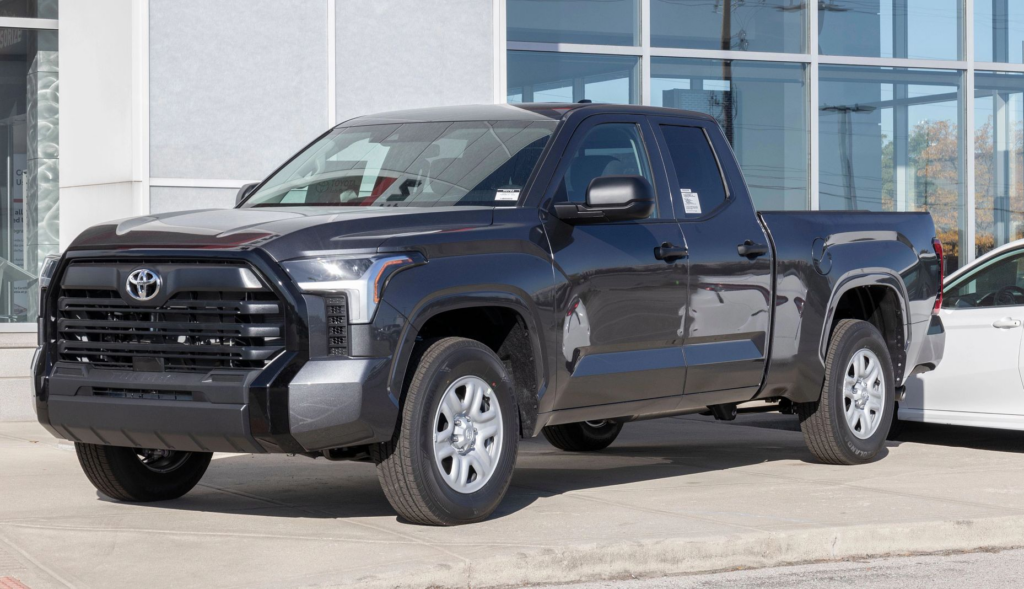
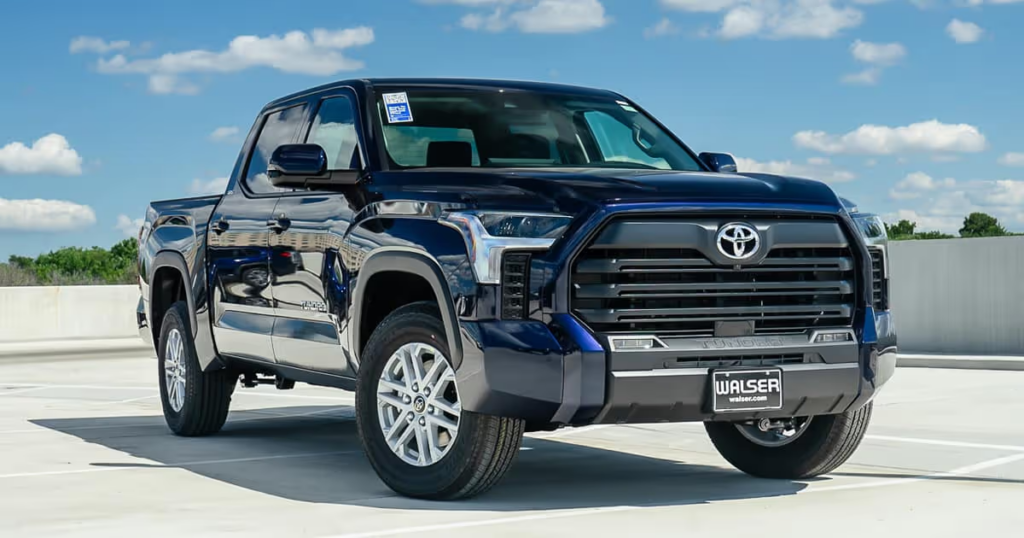
The Toyota Tundra recall centers on a specific electronic gremlin within the multimedia system, impacting the 2024 and 2025 model years. The core of the problem lies in the potential for the large, central infotainment screen to become unresponsive. Drivers might find the display “stuck” on a camera view, rendering other functionalities inaccessible, or worse, it may present a completely blank, black screen. This malfunction isn’t merely an inconvenience; it carries significant safety implications, particularly when the vehicle is engaged in reverse.
The most critical aspect of this defect is its impact on the rearview camera system. For many drivers, especially those navigating tight parking spaces or busy thoroughfares, the backup camera has become an indispensable tool for situational awareness. When the multimedia display fails to present the rearview image while the truck is in Reverse, it directly compromises the driver’s ability to see obstacles, pedestrians, or other vehicles behind them. This presents a heightened risk of collisions, potentially leading to property damage or, more importantly, personal injury. In my experience, even seemingly minor technological glitches can have cascading safety consequences if not addressed promptly and effectively. This Toyota Tundra recall serves as a stark reminder of how interconnected modern vehicle systems truly are.
Addressing this issue requires a precise and technical solution. Fortunately, Toyota has outlined a clear plan of action. The remedy involves a software update to the vehicle’s Parking Assist electronic control unit (ECU). This isn’t a physical part replacement; rather, it’s a refinement of the vehicle’s digital brain, designed to correct the logic that governs the multimedia display’s behavior. Authorized Toyota dealerships will be performing this critical software update free of charge to all affected owners. This proactive approach to resolving potential safety hazards is a testament to Toyota’s commitment to its customers, a value that has been a cornerstone of their brand for decades.
For owners of the affected 2024-2025 Toyota Tundra models, the automaker is slated to initiate official notification by late March. However, for those eager to confirm their vehicle’s status or seek immediate answers, Toyota has provided several avenues for communication. Owners can directly contact the automaker at their dedicated recall line, 800-331-4331, or visit the comprehensive recall section on Toyota.com/recall. This online portal is an invaluable resource, often allowing users to input their vehicle identification number (VIN) to determine if their specific truck is part of the campaign. Beyond Toyota’s direct channels, the National Highway Traffic Safety Administration (NHTSA) also plays a crucial role in vehicle safety. Drivers can reach out to NHTSA’s vehicle-safety hotline at 888-327-4236 or visit their website to verify recall status and access a wealth of consumer safety information.
This particular Toyota Tundra recall highlights a broader trend in the automotive sector: the increasing reliance on sophisticated electronic systems. While these advancements bring unparalleled convenience and performance, they also introduce new complexities in terms of maintenance and troubleshooting. As we move further into the era of connected vehicles and advanced driver-assistance systems (ADAS), the potential for software-related issues will only grow. This makes the role of manufacturers in rigorous testing, transparent communication, and efficient recall management more critical than ever. The Toyota Tundra recall is not an isolated incident but rather a microcosm of the challenges and responsibilities that come with pushing the boundaries of automotive technology.
The ramifications of such recalls extend beyond the immediate fix. They influence consumer confidence, brand reputation, and the overall perception of automotive safety. For manufacturers, effective recall management is a crucial aspect of automotive safety compliance and maintaining customer trust. It involves not just the technical repair but also the communication strategy, the ease of access to service, and the long-term commitment to ensuring vehicle integrity. The Toyota Tundra recall response by Toyota, with its clear communication channels and free dealer service, is a positive indicator in this regard.
Looking ahead, the trends shaping the automotive landscape in 2025 and beyond suggest an even greater integration of digital technology. We are seeing advancements in autonomous driving capabilities, personalized in-car experiences, and over-the-air (OTA) software updates that can potentially resolve issues remotely. While OTA updates offer the promise of faster, more convenient fixes, they also necessitate robust cybersecurity measures and thorough validation processes to prevent new vulnerabilities from emerging. The Toyota Tundra multimedia recall serves as a valuable case study in the transition from traditional mechanical issues to complex software challenges.
The evolution of in-car displays and their associated software is a fascinating area of development. What began as simple radio interfaces has blossomed into full-fledged infotainment hubs controlling everything from navigation and entertainment to vehicle settings and diagnostic information. The seamless integration of these systems with other vehicle functions, such as parking sensors and rearview cameras, is what enables many of the safety and convenience features we now take for granted. However, as the complexity increases, so does the potential for software bugs, hardware malfunctions, and compatibility issues. The Toyota Tundra recall is a prime example of how a single component, the multimedia display, can impact a critical safety system.
For consumers, staying informed about vehicle recalls is paramount. Resources like those provided by NHTSA and manufacturer websites are invaluable. Furthermore, understanding the typical lifespan and potential issues associated with specific vehicle components, like electronic control units and display panels, can empower owners to be more proactive in their vehicle maintenance. When considering the purchase of a new vehicle, especially one laden with advanced technology, it’s wise to inquire about the manufacturer’s track record with vehicle software updates and recall management. This due diligence can save considerable time and stress down the line.
When discussing automotive recalls and safety notices, it’s essential to differentiate between various types of issues. Some recalls might address minor cosmetic flaws, while others, like the Toyota Tundra TSB (Technical Service Bulletin), directly impact the operational safety of the vehicle. The distinction is crucial for prioritizing concerns and understanding the urgency of the required action. The Toyota Tundra multimedia display issue falls squarely into the latter category, making prompt attention by owners of affected vehicles a necessity.
The economic implications of recalls are also significant. For manufacturers, the cost of conducting a recall, including parts, labor, and communication, can run into millions of dollars. For consumers, while the direct repair is often free, the inconvenience of visiting a dealership, potential downtime, and the erosion of confidence can have their own costs. This is why proactive engineering and rigorous quality control are so vital in preventing such situations from arising in the first place. The investment in automotive quality control and advanced diagnostic tools is an investment in long-term customer satisfaction and brand loyalty.
In the current automotive market, particularly within the competitive truck recall news landscape, manufacturers are under constant pressure to innovate while maintaining impeccable safety standards. The 2024 Toyota Tundra recall serves as a timely reminder that even well-established brands with a reputation for reliability can encounter technological hurdles. The key to navigating these challenges lies in transparency, swift action, and a genuine commitment to resolving the issue for the end-user.
For those who own a 2024 or 2025 Toyota Tundra, the Toyota Tundra repair process for this specific issue is straightforward: schedule an appointment with your local Toyota dealership. They are equipped with the necessary software and expertise to perform the update efficiently. If you have any doubts about your vehicle’s specific situation or the nature of the recall, do not hesitate to utilize the contact information provided by Toyota and NHTSA. Proactive engagement is always the best course of action when it comes to vehicle safety.
As we continue to embrace a future of increasingly intelligent vehicles, the partnership between automakers and consumers in maintaining safety and functionality becomes ever more important. The Toyota Tundra multimedia system recall is a learning opportunity for the entire industry, reinforcing the need for robust testing, clear communication, and a customer-centric approach to problem-solving.
If you own a 2024 or 2025 Toyota Tundra and are concerned about the multimedia display issue, your next step is clear. Reach out to your authorized Toyota dealership today to schedule your complimentary software update. Ensuring your vehicle’s systems are operating at their peak performance is not just about convenience; it’s about safeguarding yourself and others on the road. Don’t wait – take action to confirm your Tundra’s status and benefit from this crucial safety enhancement.