Navigating the Digital Dashboard: Understanding the 2024-2025 Toyota Tundra Multimedia Display Recall and Beyond
As a seasoned professional in the automotive industry, with over a decade of hands-on experience navigating the complexities of vehicle safety, manufacturing, and consumer relations, I’ve witnessed firsthand the evolving landscape of automotive technology. One area that consistently demands our attention, and indeed has seen significant advancements and occasional turbulence, is the integration of sophisticated electronic systems within our vehicles. This brings us to a recent and noteworthy development concerning the 2024 Toyota Tundra and 2025 Toyota Tundra models – a recall impacting their multimedia displays.
While the headline might seem straightforward – a recall for a malfunctioning screen – the implications and the underlying technological nuances are far more intricate. This isn’t merely about a cosmetic glitch; it’s about safety, the critical role of digital interfaces in modern driving, and the proactive measures manufacturers like Toyota undertake to ensure the integrity of their products. Understanding this Toyota Tundra recall and similar incidents requires a deeper dive than just the surface announcement.
The Core Issue: When the Digital Mirror Fails
At its heart, the recall addresses a specific, albeit potentially hazardous, malfunction within the multimedia display unit of approximately 162,000 units of the 2024 and 2025 Toyota Tundra. The reported problem is twofold: the screen may become unresponsive, freezing on a particular camera view, or it can simply turn black, rendering it completely inoperative. The most critical consequence of this failure, as highlighted by safety regulators, is the potential for the rearview camera image to be absent when the vehicle is engaged in reverse.
This is not a trivial matter. In today’s automotive environment, rearview cameras have transitioned from a luxury feature to a standard safety component. They are integral to assisting drivers with spatial awareness, particularly in low-visibility conditions, tight parking situations, and when maneuvering around obstacles. The absence of this visual feedback significantly elevates the risk of collisions, especially with smaller children, pets, or other unseen objects in the truck’s blind spots. This underscores the paramount importance of Toyota Tundra safety updates.
Beyond the Black Screen: The Technology at Play
To truly appreciate the scope of this Toyota Tundra multimedia recall, we must consider the technology underpinning these displays. Modern multimedia systems are no longer simple radio units. They are complex integrated systems that manage everything from infotainment and navigation to critical driver-assist features, including the rearview camera and parking sensors. In the case of the affected Tundras, the issue stems from the software controlling the Parking Assist Electronic Control Unit (ECU).
The Parking Assist ECU is the central brain for a suite of sensors and cameras designed to aid drivers during low-speed maneuvers. When this ECU’s software encounters an error – perhaps due to a software bug, a corrupted data file, or an unexpected input – it can lead to the system freezing or failing. The recall’s proposed solution, a software update for the Parking Assist ECU, is a testament to the power and precision of modern software engineering in the automotive sector. This type of automotive software update is a common and effective method for rectifying such electronic glitches.
The Recall Process: Transparency and Proactive Solutions
Toyota’s approach to this 2024 Toyota Tundra recall is indicative of industry best practices. The automaker is not waiting for widespread incidents to occur. Instead, upon identifying a potential safety defect, they are initiating a recall to preemptively address the issue. This demonstrates a commitment to vehicle safety and reliability, a cornerstone of any reputable automotive manufacturer.
Owners of affected vehicles will be notified directly by Toyota, typically via mail, with an estimated timeline for these communications (in this case, by late March). This direct communication ensures that owners are aware of the situation and the necessary steps to rectify it. The process itself is designed to be as seamless as possible. Dealers will perform the required software update at no cost to the owner, reflecting Toyota’s responsibility in addressing the defect. This is a crucial aspect of automotive consumer protection.
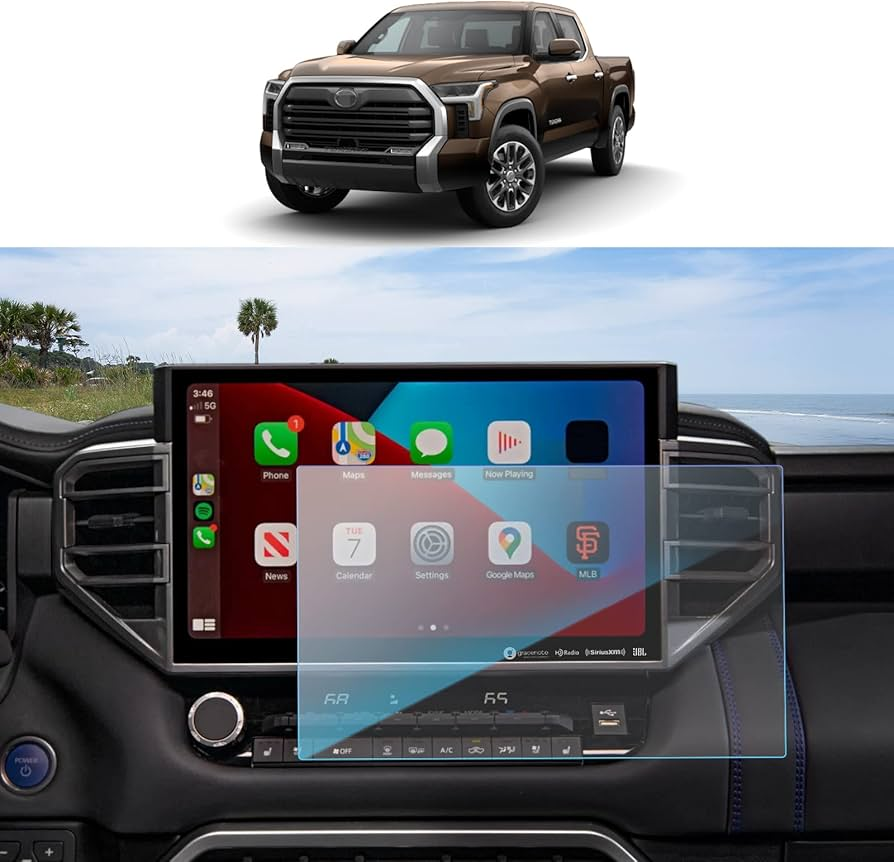
For owners who wish to be more proactive or have immediate concerns, Toyota provides multiple avenues for information. The automaker’s dedicated website (Toyota.com/recall) serves as a central hub for recall information, allowing owners to check their vehicle’s status using its Vehicle Identification Number (VIN). Additionally, contacting Toyota’s customer service hotline or the National Highway Traffic Safety Administration (NHTSA) at 888-327-4236 offers further resources and avenues for inquiries. This multi-channel approach ensures that information is accessible to all concerned parties, reinforcing automotive recall transparency.
The Evolving Role of the Multimedia Display
It’s worth pausing to consider the broader implications of this recall within the context of the evolving automotive landscape. The multimedia display in a vehicle like the Toyota Tundra is no longer just a screen; it’s the command center for a significant portion of the vehicle’s functionality. From the aforementioned rearview camera and parking assist systems to climate control, navigation, media playback, and even advanced driver-assistance systems (ADAS) like adaptive cruise control and lane-keeping assist, the display is the primary interface through which the driver interacts with these complex technologies.
This trend towards digitalization and increased connectivity has brought immense benefits, enhancing convenience, safety, and the overall driving experience. However, it also introduces new vulnerabilities. Software glitches, connectivity issues, and cybersecurity threats are becoming increasingly relevant concerns in automotive design and maintenance. The Toyota Tundra software issue highlights the need for robust software development, rigorous testing, and efficient recall mechanisms to address any emergent problems.
High-CPC Keywords and Related Search Intent
When we talk about recalls and specific vehicle models, several related search terms emerge, often with significant interest from consumers and also carrying higher advertising costs due to their commercial intent. For instance, searches around “Toyota Tundra price,” “Tundra TRD Pro for sale,” “Tundra towing capacity,” and “best Tundra trim level” indicate strong purchase intent. While this specific recall doesn’t directly alter these purchasing considerations, it does reinforce the importance of new truck safety ratings and the reliability of Toyota trucks.
Furthermore, consumers actively searching for solutions to specific issues might type “Toyota Tundra backup camera not working,” “Tundra screen frozen,” or “fix Tundra multimedia display.” This recall directly addresses these user queries, and the proactive resolution by Toyota aims to restore confidence in the Toyota Tundra’s technological features. For those in specific locales, local search intent keywords like “Toyota Tundra recall service Chicago” or “Tundra repair near me” are also prevalent, underscoring the need for readily available dealership services for such vehicle recalls.
Looking Ahead: The Future of Automotive Displays
This recall serves as a valuable case study, offering insights into the challenges and opportunities in modern automotive electronics. As we move further into 2025 and beyond, we can expect automotive displays to become even more sophisticated. We’re seeing a trend towards larger, higher-resolution screens, augmented reality integration for navigation and driver information, and deeper integration with mobile devices and cloud-based services.
However, with increased complexity comes an increased responsibility for manufacturers. The focus will undoubtedly remain on automotive cybersecurity, ensuring that these connected systems are protected from malicious actors. Rigorous quality control in automotive manufacturing will be paramount, with a strong emphasis on software validation and over-the-air (OTA) update capabilities. OTA updates, much like the one being deployed for the Tundra, allow manufacturers to push software fixes and improvements directly to vehicles without requiring a dealership visit, a significant advancement in automotive service and support.

The Toyota Tundra multimedia system is a prime example of this technological leap. While this particular recall highlights a specific software hiccup, it also showcases Toyota’s commitment to addressing such issues promptly. This proactive approach is crucial for maintaining consumer trust and upholding the brand’s reputation for dependable vehicles. The long-term implications for owners involve ensuring their vehicles remain up-to-date with the latest software, which can often lead to performance enhancements and bug fixes beyond just safety-critical ones.
Maintaining Your Tundra’s Digital Integrity
For owners of the affected 2024-2025 Toyota Tundra models, the most important step is to be aware of the recall notification and schedule the necessary software update with an authorized Toyota dealership. This is a straightforward process that will ensure the full functionality and safety of your vehicle’s multimedia system.
Beyond this specific recall, maintaining the digital integrity of your vehicle involves staying informed about any manufacturer communications regarding your model. Regularly checking your VIN on Toyota’s recall website or NHTSA’s portal can provide peace of mind. Furthermore, understanding the capabilities and limitations of your vehicle’s technology, and using it responsibly, is key to a safe and enjoyable driving experience.
The automotive industry is in a constant state of innovation, and the Toyota Tundra’s multimedia system is a testament to this progress. While occasional challenges like this recall may arise, they are often met with robust solutions that ultimately enhance the vehicles we rely on daily.
If you are a proud owner of a 2024 or 2025 Toyota Tundra, we encourage you to stay informed and proactive regarding this recall. Visit your local Toyota dealership or Toyota.com/recall to ensure your vehicle receives the necessary software update and continues to provide the safe, reliable, and technologically advanced driving experience you expect. Your vehicle’s safety and your peace of mind are our top priorities.