
Toyota Tundra Multimedia Glitch Prompts Nationwide Safety Campaign: Ensuring Visibility for Truck Owners
As a seasoned professional with a decade navigating the intricacies of the automotive industry, I’ve seen my share of technical challenges, but recent developments concerning the Toyota Tundra demand a thorough examination. Toyota is currently undertaking a significant safety initiative, voluntarily recalling approximately 162,000 units of its highly regarded Tundra pickup trucks. This recall specifically addresses a critical malfunction within the vehicle’s multimedia display system, a component that has become increasingly central to modern driving experiences, from navigation and entertainment to vital safety information.
The affected vehicles primarily encompass the 2024 and 2025 model years of the robust Toyota Tundra. At the heart of this recall lies a peculiar software glitch impacting the multimedia screen. Drivers have reported instances where the display either freezes on a camera view or inexplicably reverts to a blank, black screen. While seemingly a minor inconvenience, the implications of this issue are far-reaching, particularly when considering the truck’s functionality in reverse.
The primary safety concern stems from the potential failure of the rearview camera system to activate when the Tundra is placed in reverse. This feature, mandated by federal regulations for new vehicles, is designed to provide drivers with an unobstructed view of the area behind their truck, drastically reducing the risk of collisions with pedestrians, other vehicles, or obstacles. When this system fails, especially in a large, powerful vehicle like the Tundra, the potential for an accident escalates significantly. This situation underscores the critical reliance we place on integrated vehicle technology for everyday safety.
Understanding the Technical Underpinnings: Beyond a Simple Screen Freeze
From an industry perspective, this isn’t merely a case of a “sticky screen.” The multimedia display in modern trucks like the Toyota Tundra is far more than a simple infotainment hub. It’s an integrated control center that communicates with numerous other vehicle systems, including the Anti-lock Braking System (ABS), Electronic Stability Control (ESC), and crucially, the Parking Assist ECU (Electronic Control Unit). The Parking Assist ECU is the digital brain responsible for processing signals from various sensors, including the rearview camera, and displaying relevant information to the driver.
The issue appears to be a software-related anomaly within this ECU. When the software encounters a specific error condition, it can lead to the display freezing or going blank. This can occur independently of driver input and without warning. The implications for drivers are profound. Imagine backing out of a crowded parking lot, a tight driveway, or navigating a busy street. The rearview camera provides an indispensable layer of situational awareness. Without it, drivers are forced to rely solely on their mirrors and physical head checks, which can be challenging in a vehicle with the Tundra’s substantial dimensions.
The complexity of these integrated systems means that a failure in one seemingly isolated component can have cascading effects. The modern automotive landscape is characterized by a deep reliance on sophisticated software to manage everything from engine performance to advanced driver-assistance systems (ADAS). While this technological advancement offers unparalleled benefits in terms of efficiency, safety, and driver comfort, it also introduces new vulnerabilities, as evidenced by this Toyota Tundra recall.
The Toyota Tundra’s Position in the Market: A High-Stakes Segment
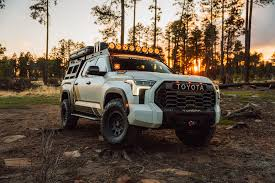
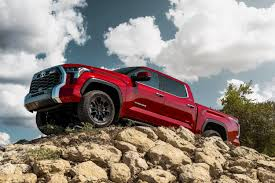
The Toyota Tundra occupies a significant segment of the pickup truck market. These trucks are not just for work; they are often family vehicles, towing rigs for recreational equipment, and symbols of capability and adventure. Owners invest heavily in these vehicles, expecting reliability and, above all, safety. A widespread recall like this, affecting a substantial number of recent models, inevitably raises questions about the rigorousness of pre-production testing and the long-term reliability of complex electronic systems.
When considering the competitive landscape of full-size pickup trucks, the Toyota Tundra competes head-to-head with established titans like the Ford F-150, Ram 1500, and Chevrolet Silverado. In this intensely fought battle for market share, even minor issues can impact consumer perception and brand loyalty. The reputation for dependability that Toyota has meticulously built over decades is a cornerstone of its appeal. A recall, especially one related to a core safety system, has the potential to tarnish that image if not handled with swiftness and transparency.
The 2024 and 2025 Toyota Tundra models are equipped with the latest advancements in automotive technology, aiming to provide a superior driving experience. The multimedia system, often featuring large touchscreens, integrates features like Apple CarPlay, Android Auto, navigation, and a suite of vehicle settings. This extensive functionality, while desirable, also increases the complexity of the software architecture. The challenge for manufacturers lies in ensuring the seamless and reliable operation of all these interconnected systems under a wide range of operating conditions.
The Solution: A Software Update – A Common Fix in the Digital Age
Fortunately, for owners of affected Toyota Tundra trucks, the resolution to this issue is relatively straightforward and, importantly, free of charge. Toyota dealerships will be performing a software update to the Parking Assist ECU. This process involves reprogramming the unit with updated code that corrects the glitch causing the display malfunction.
This type of software-based fix is becoming increasingly common in the automotive industry. As vehicles become more like rolling computers, over-the-air (OTA) updates and dealer-administered software flashes are the primary means of addressing many technical challenges. While some may lament the need for a dealership visit, it’s a testament to the evolution of vehicle maintenance. In years past, a similar issue might have required the replacement of hardware components, a more time-consuming and expensive proposition for both the manufacturer and the consumer.
For those who are concerned about the implications of this recall on their Toyota Tundra reliability or are seeking Toyota Tundra safety recalls, it’s essential to understand that this is a proactive measure by Toyota to ensure the continued safety of its customers. The company is commendably addressing the issue before it can lead to any reported accidents. This level of responsibility is what customers expect from a leading automotive manufacturer.
Navigating the Recall Process: What Owners Need to Know
Toyota has outlined a clear process for owners of the affected Toyota Tundra vehicles. The automaker is expected to begin notifying owners of the recall by late March. This notification will provide detailed instructions on how to schedule an appointment at an authorized Toyota dealership to have the necessary software update performed.
However, for those eager to get ahead of the curve or who may have concerns about their specific vehicle, several avenues exist for obtaining more information. Owners can directly contact Toyota customer service at their dedicated recall hotline at 800-331-4331. Alternatively, a wealth of information can be found on Toyota’s official website at Toyota.com/recall. This portal often allows owners to input their Vehicle Identification Number (VIN) to determine if their specific truck is included in this or any other active recalls.
For broader consumer safety information and to verify recall status across all manufacturers, the National Highway Traffic Safety Administration (NHTSA) is an invaluable resource. Their vehicle-safety hotline can be reached at 888-327-4236, and their website provides a comprehensive database for checking recall information and understanding safety standards. Visiting the NHTSA website to check your vehicle identification number is a proactive step any vehicle owner should consider periodically.
Beyond the Tundra: Broader Implications for Automotive Technology and Safety
This recall, while focused on the Toyota Tundra, serves as a potent reminder of the evolving nature of automotive safety and the critical role of software in modern vehicles. As we move towards a future of increasingly autonomous driving capabilities and interconnected vehicle systems, the robustness and security of software will become paramount.
The automotive industry is investing billions in the development of advanced driver-assistance systems (ADAS), which include features like adaptive cruise control, lane-keeping assist, and automatic emergency braking. These systems rely heavily on complex algorithms and precise sensor data, all managed by sophisticated software. A glitch in this software, as seen with the Toyota Tundra’s multimedia display, can have serious consequences.
This situation also highlights the importance of automotive software updates and the evolving service landscape. The days of a vehicle requiring purely mechanical repairs are rapidly diminishing. Consumers should become accustomed to the idea of their vehicles receiving software enhancements and fixes throughout their lifespan, much like their smartphones or computers.
For consumers seeking the latest information on vehicle recalls and safety notices, staying informed through official manufacturer channels and reputable automotive news sources is crucial. Understanding your rights and the processes involved when your vehicle is subject to a recall is an essential aspect of responsible car ownership.
Addressing Concerns about Used Toyota Tundras and Unfixed Recalls
A common question that arises during recalls pertains to used cars with unfixed recalls. It’s a valid concern for buyers in the pre-owned market. While regulations are in place to address this, the enforcement and clarity can sometimes be a point of confusion. Generally, dealers are obligated to disclose active recalls, and in many jurisdictions, they are prohibited from selling vehicles with unrepaired safety recalls. However, the responsibility often falls on the buyer to verify that all necessary repairs have been completed. This further emphasizes the importance of using resources like the NHTSA website and manufacturer recall portals to check a vehicle’s status before purchasing, especially when considering a used Toyota Tundra for sale.
The automotive industry is constantly striving to improve its recall processes, making them more efficient and consumer-friendly. The proactive nature of this Toyota Tundra recall, with a clear solution and communication plan, suggests a commitment to this ongoing improvement.
Ensuring Your Peace of Mind: Proactive Steps for Toyota Tundra Owners
For owners of the 2024-2025 Toyota Tundra, the most important step is to stay informed. Watch for the official notification from Toyota, which is expected by late March. In the meantime, if you have immediate concerns about your multimedia display or any other aspect of your vehicle’s performance, don’t hesitate to contact your local Toyota dealership. They are equipped to provide the latest information and schedule your appointment for the necessary software update.
Furthermore, I strongly advise all vehicle owners, regardless of make or model, to regularly check for recalls. Bookmark the NHTSA website and your manufacturer’s recall portal. Understanding the Toyota Tundra recall process and being proactive about addressing any safety concerns will not only ensure your safety but also protect the long-term value and integrity of your vehicle.
This recall serves as a reminder that in the ever-evolving world of automotive technology, vigilance and informed ownership are key. Toyota’s commitment to addressing this multimedia display issue demonstrates their dedication to upholding the safety standards that their customers have come to expect. By following the outlined steps and staying informed, you can ensure your Toyota Tundra continues to provide reliable and safe transportation for years to come.