
Navigating the Digital Dashboard: Understanding the Toyota Tundra Multimedia Recall and Its Implications
As a seasoned automotive industry professional with a decade of hands-on experience, I’ve witnessed firsthand how technology profoundly shapes our driving experience. From advanced driver-assistance systems to seamless connectivity, the modern vehicle is a sophisticated piece of engineering. However, as we increasingly rely on these digital interfaces, the potential for software glitches and their downstream effects becomes a critical concern. This brings us to a recent development impacting a significant number of Toyota Tundra trucks, specifically the multimedia display system.
The latest Toyota Tundra recall, affecting approximately 162,000 units of the 2024 and 2025 model years, centers on a software anomaly within the vehicle’s multimedia display. This isn’t a minor inconvenience; it’s a safety-critical issue that warrants immediate attention from owners. My experience tells me that while manufacturers strive for flawless integration, complex electronic systems are susceptible to unforeseen bugs. The ramifications of such issues can range from user frustration to, in the most serious cases, compromised safety.
The Core Issue: A Stalled Display and Its Safety Consequences
The problem, as identified by Toyota and reported by regulatory bodies like the National Highway Traffic Safety Administration (NHTSA), is that the multimedia display in affected 2024 Toyota Tundra and 2025 Toyota Tundra models may become unresponsive. Specifically, it can freeze on a camera view or present a completely black screen. This might sound like a purely cosmetic or functional annoyance, but its true danger lies in its direct connection to the vehicle’s safety systems.
Crucially, when the multimedia display fails to function correctly, it can prevent the rearview camera image from appearing when the vehicle is shifted into reverse. This is a significant safety hazard. The rearview camera has become an indispensable tool for drivers, offering vital visibility of the area immediately behind the vehicle, especially in crowded parking lots, during low-speed maneuvers, and in situations where blind spots are prevalent. The absence of this visual cue drastically increases the risk of a collision with pedestrians, other vehicles, or static objects. In my professional opinion, any issue that compromises the functionality of a primary safety feature, such as a rearview camera, necessitates a robust and prompt recall response.
Expert Analysis: Why Software Glitches Are Becoming More Prevalent
This Toyota Tundra recall isn’t an isolated incident; it’s symptomatic of a broader trend in the automotive industry. As vehicles become more technologically advanced, the reliance on intricate software systems grows exponentially. Modern cars are essentially rolling computers, with multiple processors and interconnected networks managing everything from engine performance and climate control to infotainment and advanced safety features.
The complexity of this software architecture means that a single bug, often introduced through an over-the-air (OTA) update or a manufacturing software flash, can have widespread implications. My decade in the field has shown a marked increase in software-related recalls compared to purely mechanical ones. This is partly because software is inherently more prone to subtle errors that can manifest under specific conditions, conditions that might not be apparent during standard testing protocols. Factors like temperature fluctuations, variations in data input from sensors, or even interactions between different software modules can trigger these glitches.
Furthermore, the push for rapid technological advancement and feature deployment by automakers means that software development cycles are often compressed. While rigorous testing is conducted, the sheer volume and complexity of the code can make it challenging to identify and rectify every potential flaw before a vehicle reaches the consumer. This reinforces the importance of robust post-production monitoring and effective recall procedures, like the one initiated for the Toyota Tundra multimedia issues.
The Resolution: A Software Update as the Key
Fortunately for owners of affected Toyota Tundra vehicles, the fix for this particular issue is relatively straightforward and cost-effective for both the manufacturer and the consumer. Toyota’s proposed solution involves a software update to the Parking Assist electronic control unit (ECU). This update is designed to correct the underlying bug that causes the display to malfunction.
Dealers will perform this update free of charge. This is the standard and expected procedure for recalls of this nature. It highlights the shift in automotive repair: increasingly, the “fix” for a vehicle malfunction is not a physical part replacement but a digital recalibration. This underscores the growing importance of technician training in software diagnostics and updates, a crucial element of modern auto service.
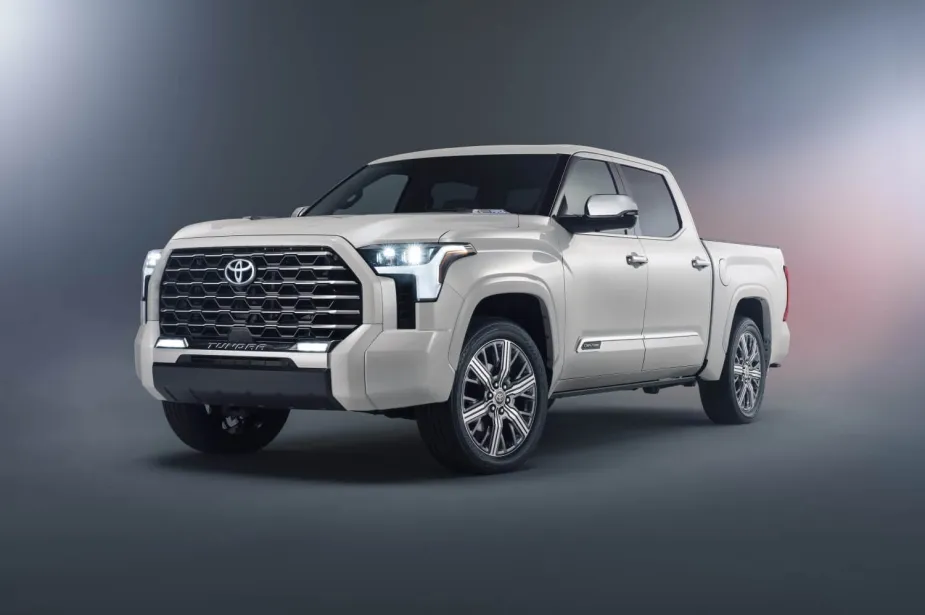
Toyota is committed to notifying owners of affected Toyota Tundra trucks by late March. This timeline is standard for such recalls, allowing the manufacturer to coordinate with dealerships and procure any necessary resources for the repair process.
What Owners Need to Know and Do
For owners of a 2024 Toyota Tundra or 2025 Toyota Tundra potentially impacted by this recall, proactive engagement is key. Here’s a breakdown of essential steps and considerations:
Identify if Your Vehicle is Affected: Toyota will be sending out official notification letters. However, if you’re eager to check, you can utilize your vehicle’s Vehicle Identification Number (VIN). Many manufacturers provide online VIN lookup tools for recalls. Visiting the Toyota recall website (Toyota.com/recall) is an excellent first step.
Understand the Severity: As discussed, the inability to view the rearview camera is a significant safety concern. Do not delay in addressing this recall.
Schedule Your Service Appointment: Once you confirm your vehicle is part of the recall, contact your local authorized Toyota dealership to schedule an appointment for the software update. These updates are typically quick, often completed within an hour or two, depending on dealership workload.
If You Have Questions: Toyota provides a dedicated customer service line at 800-331-4331 for recall-related inquiries.
NHTSA Resources: The National Highway Traffic Safety Administration (NHTSA) is the primary regulatory body for vehicle safety in the U.S. Their vehicle safety hotline at 888-327-4236 and their website (nhtsa.gov) are valuable resources for checking recall status and understanding consumer rights. You can often check for recalls directly on the NHTSA website using your VIN.
Beyond the Immediate Fix: Implications for the Future of Automotive Technology
This Toyota Tundra recall serves as a poignant reminder of the evolving landscape of automotive manufacturing and the increasing reliance on sophisticated software. As an industry expert, I see several critical takeaways and emerging trends that this event underscores:
The Rise of Software-Defined Vehicles: The concept of the “software-defined vehicle” is no longer a futuristic vision; it’s our current reality. The vehicle’s functionality and user experience are increasingly dictated by its software architecture. This necessitates a paradigm shift in how vehicles are designed, tested, manufactured, and serviced.
Over-the-Air (OTA) Updates: While OTA updates offer tremendous potential for delivering new features and fixes without a dealership visit, they also introduce new complexities and potential vulnerabilities. Robust security protocols and rigorous testing are paramount to prevent malicious interference or unintended consequences from these updates. We can expect to see more emphasis on the security and reliability of OTA update mechanisms.
Data and Diagnostics: The ability to collect and analyze vehicle data in real-time will become even more critical for identifying potential issues before they escalate into safety recalls. Advanced diagnostic tools and remote monitoring capabilities will be essential for proactive maintenance and issue resolution.
Consumer Education and Trust: Transparency and clear communication are vital for maintaining consumer trust. When recalls occur, manufacturers must provide clear, concise information about the issue, its risks, and the resolution process. Empowering consumers with knowledge about their vehicle’s technology and safety systems is a shared responsibility.
The Role of Cybersecurity: As vehicles become more connected and reliant on software, cybersecurity threats become a significant concern. Protecting vehicle systems from hacking and unauthorized access is as important as ensuring physical safety.
High-CPC Keyword Integration and Local Search Intent Considerations
In today’s digital marketing landscape, understanding keyword strategy is crucial. For topics like Toyota Tundra recalls, the main keyword density needs to be maintained naturally. Phrases like “Toyota Tundra safety update,” “Tundra multimedia system problem,” and “2024 Tundra recall news” are essential secondary keywords.
For those seeking specific solutions, local search intent keywords become vital. For example, someone experiencing issues might search for “Toyota Tundra recall repair near me,” “Toyota dealership Tundra software update [City Name],” or “fix Tundra backup camera issue [Zip Code].” While this article is broad, it’s crucial for dealerships and auto repair shops to incorporate such localized terms on their websites and digital content.
High-CPC (Cost Per Click) keywords, often indicative of high commercial intent, are also relevant here. Terms like “Toyota Tundra extended warranty claims,” “Toyota Tundra trade-in value after recall,” or “Toyota Tundra infotainment upgrade cost” might be explored by consumers considering long-term ownership or future purchases. Integrating these naturally within discussions about vehicle value, longevity, and technological upgrades adds depth and caters to a wider range of user queries. For instance, when discussing the long-term implications of software reliance, one could touch upon how consistent software updates, like those from this recall, contribute to a vehicle’s ongoing value and potential for future upgrades, indirectly linking to these high-CPC terms.
Ensuring Longevity and Reliability in the Digital Age
The 2024-2025 Toyota Tundra recall concerning the multimedia display is a solvable issue, but it serves as a valuable case study for the future of automotive technology. My experience has taught me that while innovation is exciting, it must be balanced with unwavering commitment to safety, reliability, and transparency.
As drivers, our relationship with our vehicles is evolving. We are no longer just operating mechanical machines; we are interacting with complex digital ecosystems. Staying informed about your vehicle’s status, understanding potential issues, and promptly addressing safety recalls are paramount responsibilities.
For owners of affected Toyota Tundra trucks, the path forward is clear: engage with your dealership, get the software update, and drive with peace of mind. This recall, like many before it, is part of the ongoing journey of refining automotive technology to make our drives safer and more enjoyable.
If you are an owner of a 2024 or 2025 Toyota Tundra, please do not hesitate to verify if your vehicle is affected by this critical recall and schedule your complimentary software update at your earliest convenience to ensure your safety and the optimal performance of your truck.