
The Genesis of Legends: A Deep Dive into the First Luftgekühlt Event in Japan (2026)
A Confluence of Automotive Excellence: What Happened at Luftgekühlt Tokyo?
In the landscape of modern automotive enthusiasts, few experiences transcend the transactional nature of buying or selling a vehicle. Yet, in 2026, a landmark event took place in the heart of Tokyo that redefined the very meaning of vehicular community and cultural expression. Luftgekühlt, a global phenomenon dedicated to the celebration of air-cooled Porsche engineering, made its inaugural foray into Japan, staging a spectacular automotive exhibition on a venue that was itself a relic of modern urban planning—the decommissioned Kyobashi-Shimbashi Line.
This historic event saw over 200 air-cooled Porsches converge on the once-thriving highway, drawing an astonishing 11,600 attendees to a unique juxtaposition of German engineering and Japanese culture. The atmosphere was electric, oscillating between the reverent admiration of a traditional car show and the clandestine allure of an underground urban gathering. This confluence of heritage, engineering, and culture made Luftgekühlt Tokyo an unforgettable testament to the enduring appeal of air-cooled Porsche vehicles.
The Architecture of the Event: From Traffic Artery to Automotive Epicenter
The physical setting of Luftgekühlt Tokyo was as much a star as the vehicles themselves. The Kyobashi-Shimbashi Line (KK Line), a now-defunct elevated expressway that once served as a vital transport artery through central Tokyo, provided a dramatic backdrop for this singular automotive celebration. By closing this stretch of road, the organizers effectively transformed a scar of urban development into a canvas for automotive art.
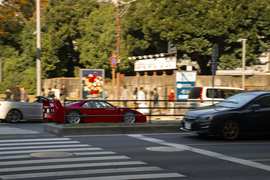
The KK Line, elevated above the bustling streets of Tokyo, offered a unique perspective on the city. As traffic ceased to flow through its arteries, the space was reclaimed by the collective passion of Porsche enthusiasts. The organizers meticulously curated the layout of the event, ensuring that each vehicle received the attention it deserved. The highway, once a conduit for rapid transit, became a gallery, allowing attendees to interact with the Porsches in a way that traditional auto shows rarely permit.
From a professional standpoint, the logistical challenge of transforming a major public thoroughfare into a private event space was substantial. Tokyo’s dense urban environment necessitated precision planning and regulatory compliance. By successfully navigating these complexities, the organizers delivered an event that was both visually spectacular and logistically flawless. This achievement underscored the maturity of the Luftgekühlt brand and its ability to execute world-class events in challenging environments.
A Curated Collection: The Spectrum of Air-Cooled Porsches
At the heart of any successful car show lies the quality of the vehicles on display. Luftgekühlt Tokyo boasted a carefully curated selection of air-cooled Porsches, ranging from iconic racing legends to custom-built street machines. The sheer diversity of the collection was a testament to the enduring legacy of Porsche’s rear-engine philosophy.
One of the most striking inclusions was the No. 28 Porsche 910, a historic racing machine that claimed a runner-up position at the 1968 Japanese Grand Prix. Driven by the legendary Tetsu Ikuzawa, this car represented a pivotal moment in Porsche’s racing history. Its presence at Luftgekühlt Tokyo served as a reminder of the brand’s racing pedigree and the high standards of performance that Japanese enthusiasts admire.
Beyond the professional racing circuit, the event showcased a stunning array of street-legal builds. The Auto Garage TBK demo car, in particular, captured the attention of attendees with its stunning aesthetics and performance-oriented modifications. Positioned prominently on the highway, the car served as a centerpiece, representing the pinnacle of German engineering as interpreted through Japanese tuning culture.
Furthermore, the event provided a platform for lesser-known but equally significant Porsche models, highlighting the breadth of the air-cooled lineage. Whether it was a rare 356 or a highly modified 911, each vehicle told a unique story of restoration, modification, and pure passion. From a technical perspective, this diversity allowed for a deep appreciation of the evolutionary arc of Porsche design and engineering over the decades.
The Evolution of the Experience: From Day to Night
Perhaps the most defining aspect of Luftgekühlt Tokyo was the transformation of the event from day to night. What began as a pristine, gallery-like atmosphere slowly evolved into an immersive, underground cultural experience that is uniquely Tokyo.
During the daylight hours, the KK Line resembled a high-end auto exhibition, with attendees moving slowly through the rows of Porsches, engaging in conversation with the owners and appreciating the craftsmanship of the vehicles. The bright Tokyo sun illuminated the metallic finishes and aerodynamic curves of the cars, casting long shadows across the elevated roadway. The energy was palpable, fueled by the shared passion for air-cooled Porsches and the novelty of the location.
As dusk settled over the city, the atmosphere shifted dramatically. The event transitioned into a more intimate and immersive experience. The strategic placement of lighting enhanced the contours of the cars, casting dramatic shadows and highlighting the unique details of each build. The air filled with the characteristic rumble of air-cooled engines, creating a symphony of automotive heritage.
This transition from day to night was particularly poignant, as it highlighted the dual nature of Tokyo itself—a city that seamlessly blends tradition with modernity. The event mirrored this duality, offering both a curated exhibition and a raw cultural experience. The organizers’ decision to extend the event into the night was a stroke of genius, transforming a static display into a living, breathing automotive community.
Perspectives from the Experts: What Industry Leaders Had to Say
The success of Luftgekühlt Tokyo was validated by the presence of industry leaders who expressed their admiration for the event. Mark Arcenal, the founder of Illest and Fatlace, was in attendance and shared his perspective on the unique nature of the Tokyo experience.
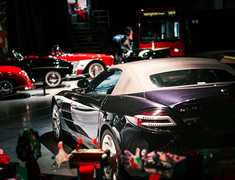
Arcenal described Luftgekühlt Tokyo as a “once-in-a-lifetime experience” that he believes will never be duplicated. He pointed out that the area of the KK Line is slated for redevelopment into retail spaces and a public park, making this a fleeting opportunity to witness such a convergence of automotive excellence in this location. His acknowledgment of the event’s singularity underscored its historic significance and the rarity of the occasion.
From a global perspective, Arcenal’s comments highlighted how Luftgekühlt has transcended the boundaries of a traditional car show. It has become a cultural movement that resonates across different countries and communities. The event in Tokyo served as a bridge between these communities, connecting enthusiasts from around the world with the Japanese Porsche scene.
Technical Analysis: The Engineering Philosophy of Air-Cooled Porsches
To fully appreciate the significance of Luftgekühlt Tokyo, it is essential to understand the technical marvel of air-cooled Porsche engines. In the automotive world, engineering philosophy often evolves in response to regulatory pressures and technological advancements. For decades, Porsche held onto air-cooling technology even as the industry shifted toward water-cooling. This stubborn adherence to tradition, while often criticized in its time, is precisely what has endeared the air-cooled Porsche to enthusiasts today.
Air-cooled engines are simpler, lighter, and more robust than their water-cooled counterparts. They lack the complex plumbing, radiators, and coolant reservoirs required for liquid cooling, resulting in a more mechanical and tactile driving experience. The distinctive “flat-six” sound of a Porsche air-cooled engine is a characteristic that has become synonymous with the brand.
Technically, the engineers at Porsche optimized air-cooling to be as efficient as possible. The engine uses large cooling fins to maximize surface area for heat dissipation, and the fan is driven by a belt that increases airflow at higher RPMs. This design ensures optimal operating temperatures even under demanding driving conditions.
However, air-cooled engines are not without their challenges. They are notoriously difficult to keep cool during high-speed driving, which led to their eventual replacement by water-cooled engines. This transition represents a fundamental shift in engineering philosophy—one that prioritized efficiency and reliability over driving purity.
The Cultural Impact: Luftgekühlt and the Japanese Car Scene
Luftgekühlt Tokyo was more than just a car show; it was a cultural event that fused the German passion for air-cooled Porsches with the uniquely Japanese approach to automotive culture. The Japanese car scene is renowned for its attention to detail, meticulous craftsmanship, and deep-rooted appreciation for automotive history.
Japanese enthusiasts are known for their dedication to preserving and restoring classic cars. This meticulous approach is evident in the high quality of the Porsche builds showcased at Luftgekühlt Tokyo. The event allowed enthusiasts to connect with like-minded individuals, share stories, and celebrate their shared passion for air-cooled Porsches.
The event also highlighted the evolution of Porsche culture in Japan. For years, the Japanese car scene was dominated by JDM (Japanese Domestic Market) vehicles. However, there has been a growing appreciation for German engineering and European cars. Luftgekühlt Tokyo served as a cultural bridge, connecting German engineering with Japanese craftsmanship and creating a unique fusion of two automotive cultures.
The Future of Luftgekühlt and the Legacy of the KK Line
As the sun set on Luftgekühlt Tokyo, the KK Line returned to its eerie state of dormancy. The vehicles scattered into the night, and the elevated highway was once again returned to its intended purpose—as a conduit for modern life. However, the legacy of the event lingers, a testament to the power of community, engineering, and shared passion.
Looking ahead, the future of Luftgekühlt remains bright. The brand has successfully expanded its reach across the globe, staging events in various cities and attracting diverse communities of enthusiasts. The success of Luftgekühlt Tokyo demonstrates the potential for future events in Japan and the continued growth of the global Porsche community.
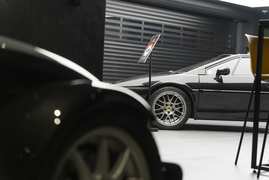
The legacy of the KK Line is also evolving