
Luftgekühlt Tokyo 2026: A Milestone Event Transforming Urban Infrastructure into a Showcase for Air-Cooled Porsche Performance
By Jofel Tolosa, Veteran Car Enthusiast & Journalist
April 6, 2026
For the discerning automotive enthusiast, particularly those captivated by the timeless allure of German engineering, a pilgrimage to Japan often involves a pilgrimage to the towering displays of the Tokyo Auto Salon, a global epicenter of cutting-edge automotive modification, or the immersive experience of Osaka Auto Messe. These events represent the apex of automotive craftsmanship, innovation, and culture within the Land of the Rising Sun. Yet, the landscape of Japanese automotive culture evolved dramatically in 2026 with the arrival of Luftgekühlt, a definitive event celebrating the artistry and heritage of air-cooled Porsche vehicles. This seminal occasion transformed a historically significant but now-defunct stretch of urban infrastructure in the heart of Tokyo into a world-class venue for Porsche performance and community.
The event took place on the KK Line, an elevated viaduct that once served as a critical transportation artery connecting the Kyobashi and Shimbashi districts of Tokyo. This unique location—now a relic of a bygone era of transportation—was reimagined not merely as a showcase, but as a dynamic environment where speed, engineering, and design converged in a visually stunning tableau. This transformation of a major transportation artery into a Porsche performance showcase represents a paradigm shift in how automotive culture is presented to the public. It transcends the traditional showroom floor, injecting an element of raw urban exploration into the Porsche experience.
The Historical Significance of the KK Line
To understand the profound impact of Luftgekühlt Tokyo, one must first appreciate the historical context of the KK Line. This viaduct, a marvel of post-war engineering, played a crucial role in the economic development and modernization of Tokyo. Its construction was a testament to the nation’s drive to rebuild and integrate its urban core. The line facilitated the movement of millions of commuters and goods, serving as a vital artery in a rapidly expanding metropolis.
However, with the evolution of Tokyo’s infrastructure, the KK Line eventually became redundant. The development of underground rail systems and increased efficiency in urban planning led to its decommissioning. In the years following its closure, the line became a symbol of Tokyo’s capacity for transformation. It stood as a silent monument to urban evolution, a reminder of a different era and a glimpse into the future of city design.
The decision by the organizers of Luftgekühlt to utilize this defunct highway was a stroke of genius. It provided a backdrop that was both steeped in history and ripe for reinvention. The sleek, modern lines of the air-cooled Porsches stood in stark contrast to the brutalist architecture of the viaduct, creating a visual dialogue between past and future, engineering and art. This urban exploration theme was central to the event’s identity.
A Curated Collection of Air-Cooled Porsche Performance
Luftgekühlt Tokyo was more than just a gathering of cars; it was a meticulously curated exhibition of air-cooled Porsche performance. The event showcased a diverse range of vehicles, from pristine vintage models that represent the pinnacle of automotive history to highly modified street builds that push the boundaries of engineering and design.
One of the most spectacular displays was the No. 28 Porsche 910, driven by the legendary Tetsu Ikuzawa. This iconic vehicle, a symbol of Japanese motorsport history, finished second overall and first in class at the 1968 Japanese Grand Prix. Its presence at Luftgekühlt Tokyo was a profound tribute to the legacy of Japanese racing and the global impact of Porsche motorsport. The sight of this race-proven machine on the KK Line resonated with the audience, invoking a sense of nostalgia and admiration for a bygone era of Porsches in Japan.
For enthusiasts who prefer street cars, the Auto Garage TBK demo car was arguably the highlight. This vehicle, modified to perfection, perfectly embodied the spirit of the event. Instead of revving its engine in a typical car show environment, the demo car posed elegantly on the viaduct, showcasing its design and engineering in a calm and serene atmosphere. It was a powerful statement about the appreciation of the Porsche aesthetic beyond the raw power of a top-speed run.
The Evolution of the Porsche Experience: Day to Night
Perhaps the most transformative aspect of Luftgekühlt Tokyo was the deliberate transition of the event from day to night. What began as a clean, almost gallery-like showcase slowly evolved into a vibrant underground after-dark experience that could only be found in Tokyo. This transformation reflected the dual nature of the city—a place of order and refinement during the day, and a hub of energy and excitement at night.
The atmosphere shifted as the sun set. The strategic use of lighting transformed the defunct highway into a dynamic canvas, highlighting the contours of the cars and the architecture of the viaduct. The air-cooled Porsches seemed to come alive under the night sky, their unique silhouettes casting dramatic shadows that added depth and character to the scene. The Porsche community embraced this change, engaging in conversations that lasted well into the night, their shared passion for the marque bridging the gap between casual observation and deep-seated admiration.
Mark Arcenal, the founder of Illest and Fatlace, attended the event and was profoundly impressed by the experience. In an interview, Arcenal shared his thoughts on the uniqueness of the event:
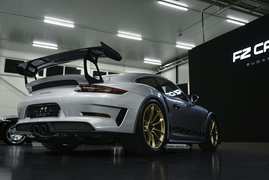
“Luft Tokyo was a once-in-a-lifetime experience that I don’t think will ever be duplicated as that area of freeway will turn into retail and a park, I believe,” Arcenal stated. “Glad to experience it and see some of the coolest cars around Tokyo.”
Arcenal’s sentiment captures the essence of what made Luftgekühlt Tokyo a landmark event. The location, the atmosphere, and the caliber of the cars combined to create an experience that was both unique and unforgettable. It was a testament to the organizers’ vision and their ability to execute a flawless event.
Technical Innovations in Porsche Performance
While Luftgekühlt Tokyo was primarily a celebration of automotive culture and design, the technical prowess of the showcased vehicles was undeniable. In 2026, the Porsche performance landscape is dominated by advancements in engine technology, aerodynamics, and materials science. The event provided a platform for enthusiasts to witness how these innovations are applied to air-cooled Porsche models, bridging the gap between classic heritage and cutting-edge engineering.
The development of Porsche turbochargers and exhaust systems continues to push the boundaries of what is possible. For air-cooled Porsche owners, upgrading these systems is not just about adding power; it’s about enhancing the auditory experience. The unique sound of a turbocharged Porsche flat-six engine is a defining characteristic of the marque, and the event highlighted how modern exhaust systems can refine and amplify this sound without compromising the purity of the air-cooled experience.
Furthermore, the integration of advanced digital display technology and connectivity solutions has transformed the interior of modern Porsches. While the classic Porsche interior is revered for its minimalism and driver-focused design, the incorporation of digital dashboards and seamless connectivity has added a layer of sophistication that appeals to the modern enthusiast. This fusion of luxury automotive and technology ensures that Porsche remains at the forefront of the car industry, offering a driving experience that is both immersive and intuitive.
The Impact of Automotive Technology on Urban Mobility
The choice of the KK Line as the venue for Luftgekühlt Tokyo serves as a metaphor for the ongoing transformation of urban mobility. As cities around the world grapple with issues of congestion, pollution, and sustainability, the automotive industry is undergoing a radical shift. The rise of electric vehicles (EVs), autonomous driving technology, and smart city initiatives is reshaping the way we interact with our vehicles.
In 2026, electric Porsche models are leading the charge in this transformation. With the advent of the Porsche Taycan and other EV sports cars, the brand is demonstrating that performance and sustainability are not mutually exclusive. These vehicles offer the exhilarating acceleration and responsive handling that enthusiasts expect from a Porsche, while also providing a cleaner, quieter, and more efficient driving experience.
The event also touched upon the future of auto repair and maintenance. As air-cooled Porsches age, their mechanical components require specialized care. The rise of specialist Porsches repair shops and the availability of parts and service are crucial for preserving these iconic vehicles. The Porsche dealership network continues to offer support for modern Porsches, but the aftermarket community plays a vital role in maintaining the legacy of classic models.
The Evolution of Car Ownership and the Porsche Community
Luftgekühlt Tokyo also highlighted the evolution of car ownership and the changing dynamics of the Porsche community. In a world where many people are opting for ride-sharing services and public transportation, the passion for owning and driving a Porsche remains strong. For enthusiasts, a Porsche car is more than just a vehicle; it’s a symbol of freedom, performance, and individuality.
The Porsche experience is not limited to driving; it extends to the wider community of enthusiasts who share a common passion for the marque. Events like Luftgekühlt Tokyo bring together people from all walks of life, creating a sense of belonging and shared identity. Whether you’re a collector of classic Porsches or a fan of modern sports cars, there’s a place for you in the Porsche community.