
Luftgekühlt Tokyo: The End of an Era on the KK Line
For a generation of car enthusiasts, the Tokyo auto landscape has been defined by landmarks like the Tokyo Auto Salon and the Osaka Auto Messe, along with the mandatory pilgrimages to world-class automotive garages and a relentless appreciation for convenience store fare. This year, however, the scene in the heart of the Japanese capital witnessed something extraordinary. An astonishing collection of Porsches descended upon the city, creating an unforgettable spectacle that combined German engineering with Japanese passion.
For the first time in its history, Luftgekühlt, the globally renowned event series celebrating air-cooled Porsche culture, made its debut in Japan. The organizers took over the decommissioned KK Line, a now-defunct elevated highway that once served as a vital artery connecting Tokyo’s Kyobashi and Shimbashi districts. This historic stretch of pavement transformed into a one-day celebration of German automotive artistry, tailored to the Japanese appreciation for precision and style. What was once a conduit for traffic through the bustling metropolis became something entirely different: a meticulously curated exhibition featuring approximately 220 cars, attracting around 11,600 attendees, and offering a completely fresh perspective on both Tokyo and the rich history of Porsche.
As one might expect from a Luftgekühlt event, the Tokyo gathering was a breathtaking showcase of iconic Porsche models. From legendary racing machines to custom-built street cars, the variety was staggering. A standout presence was the No. 28 Porsche 910, driven by Tetsu Ikuzawa, a driver who etched his name in history by finishing second overall and first in his class at the 1968 Japanese Grand Prix. However, for those with a penchant for street builds, the Auto Garage TBK demo car undoubtedly stole the show. It seemed to thrive in its setting on the KK Line, posing elegantly rather than engaging in high-speed runs.
Arguably the most inspired aspect of the Luft Tokyo team’s planning was the decision to extend the event into the night. This transition completely redefined the atmosphere. What began as a clean, almost gallery-like exhibition slowly transformed into the kind of exclusive, underground after-dark experience that only Tokyo could deliver. Mark Arcenal, founder of Illest and Fatlace, was present and expressed his astonishment at the event’s success. “Luft Tokyo was a once-in-a-lifetime experience that I don’t think will ever be duplicated as that area of freeway will turn into retail and a park, I believe,” Arcenal stated. “Glad to experience it and see some of the coolest cars around Tokyo.”
By seamlessly blending a historically significant location with a carefully curated selection of cars and an experience that evolved dramatically from day to night, Luftgekühlt Tokyo offered something distinct from Japan’s established automotive events. As the Porsches eventually dispersed into the night and the KK Line returned to its eerily dormant state, it was time for the obligatory late-night snack—perhaps a famchiki from the local convenience store. —Photography by Jeremy Anicete.
The Future of Luxury Automotive Experiences
In 2026, the global automotive landscape continues to evolve at a rapid pace. The luxury car market is experiencing a resurgence, with consumers increasingly seeking unique and personalized experiences that go beyond traditional dealership showrooms. This shift is being driven by a number of factors, including changing demographic trends, technological advancements, and a growing demand for exclusivity.
The Rise of Exclusive Automotive Events
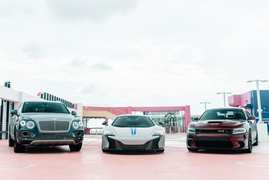
The traditional auto show is slowly giving way to a new generation of luxury car events. These events are designed to offer a more intimate and immersive experience for enthusiasts, with a focus on quality over quantity. Brands are increasingly opting for bespoke gatherings that allow them to showcase their latest models in a more personal setting. This is particularly evident in the high-end car scene, where exclusivity is paramount.
For years, Tokyo has been a hub for automotive innovation, and the recent Luftgekühlt Tokyo event is a perfect example of this trend. By transforming a decommissioned highway into a showcase for air-cooled Porsches, the organizers created a truly unique experience that resonated with enthusiasts. This innovative approach to event planning reflects a broader shift in the automotive industry, as brands seek to connect with consumers on a more personal level.
A Shift in Consumer Preferences
Millennials and Gen Z consumers are playing an increasingly important role in the luxury car market. Unlike previous generations, these consumers are less interested in brand heritage and more focused on experiential luxury. They are willing to pay a premium for unique experiences that offer a sense of exclusivity and adventure.
This shift in consumer preferences is having a profound impact on the automotive industry. Brands are increasingly focusing on creating personalized experiences that cater to the specific needs and preferences of their customers. This includes offering exclusive events, private test drives, and personalized styling consultations.
Technological Advancements
Technological advancements are also playing a key role in shaping the luxury car market. The rise of electric vehicles (EVs) is disrupting the industry, with consumers increasingly opting for sustainable and eco-friendly transportation options. Brands are investing heavily in EV technology, and we are seeing a growing demand for electric luxury cars that offer both performance and sustainability.
The Future of Porsche in the Electric Era
Porsche has long been associated with high-performance, air-cooled engines. However, the company is embracing the electric era with the launch of the Taycan and Macan EV. These electric models are designed to appeal to a new generation of consumers who are looking for sustainable and eco-friendly luxury cars.
The future of air-cooled Porsches remains bright, with a dedicated community of enthusiasts who appreciate their unique character and driving experience. However, the automotive industry is constantly evolving, and Porsche is adapting to meet the changing needs of its customers. By embracing electric technology while honoring its heritage, Porsche is positioning itself for long-term success in the luxury car market.
Understanding Luftgekühlt: A Cultural Phenomenon
Luftgekühlt, the German word for “air-cooled,” has evolved from a simple passion project into a global automotive phenomenon. Founded by professional race car driver Patrick Long, the brand celebrates the unique engineering and design of air-cooled Porsche cars. The events are known for their curated selection of cars, relaxed atmosphere, and focus on community.
The Magic of Air-Cooled Porsche Cars
Air-cooled Porsche cars are renowned for their distinctive character and driving experience. Unlike modern cars that rely on water-cooling, these vehicles use air to dissipate heat. This design gives them a raw and visceral feel that is highly sought after by enthusiasts.
The Impact of Luftgekühlt on Porsche Culture
Luftgekühlt has played a crucial role in preserving and promoting air-cooled Porsche culture. The events bring together enthusiasts from around the world, fostering a sense of community and shared passion. By celebrating the heritage of these iconic cars, Luftgekühlt ensures that they remain relevant in the modern automotive landscape.
Future Trends in the Automotive Industry
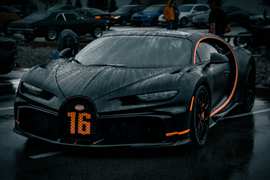
The automotive industry is constantly evolving, and the luxury car market is no exception. Here are some of the key trends that are shaping the industry in 2026:
Electrification: The transition to electric vehicles is accelerating, with consumers increasingly opting for sustainable and eco-friendly transportation options.
Connectivity: Modern cars are becoming increasingly connected, with advanced infotainment systems, autonomous driving features, and over-the-air updates.
Personalization: Consumers are increasingly seeking personalized experiences that cater to their specific needs and preferences.
Urban Mobility: The rise of ride-sharing services and micro-mobility solutions is changing the way people move around cities.
The End of the KK Line as a Driving Icon
The decommissioning of the KK Line marks the end of an era for Tokyo’s driving enthusiasts. The elevated highway was a beloved spot for car meets and photo opportunities, and its closure represents a significant loss for the automotive community. However, the spirit of Luftgekühlt Tokyo lives on, as enthusiasts continue to celebrate the unique character of air-cooled Porsches in new and innovative ways.
The Evolution of Car Culture: A Look at the 2026 Automotive Landscape
As the automotive world continues to evolve, car culture is undergoing a significant transformation. What was once driven by traditional values of performance and precision is now increasingly influenced by technology, sustainability, and experiential luxury.
The Digital Revolution and Car Culture
The rise of the internet and social media has fundamentally changed the way enthusiasts connect with cars. Online communities and forums have become essential platforms for sharing information, organizing events, and building connections. This digital revolution has also enabled global car culture to flourish, allowing enthusiasts from around the world to connect with like-minded individuals regardless of geographical location.
Urban Mobility and the Future of Driving
With the growth of cities, urban mobility is becoming a major focus for the automotive industry. Ride-sharing services and micro-mobility solutions are changing the way people move around, and manufacturers are investing heavily in developing new transportation options that cater to urban lifestyles.
Sustainability and the Automotive Industry
The increasing awareness of environmental issues has led to a growing demand for sustainable and eco-friendly vehicles. Electric vehicles (EVs) are becoming increasingly popular, and manufacturers are investing heavily in developing new technologies that reduce emissions and promote sustainability.
A Year of Automotive Innovation
The year 2026 has been a landmark year for the automotive industry, with significant advancements in technology, design, and sustainability. From electric vehicles to personalized experiences, the industry is evolving at an unprecedented pace.
Porsche’s Journey into the Electric Era
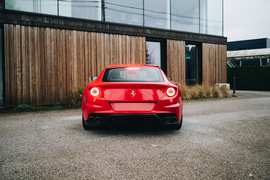
Porsche has long been associated with high-performance, air-cooled engines. However, the company is embracing the electric