
Luftgekühlt Tokyo: Where Air-Cooled Engineering Meets the Concrete Jungle
As a veteran of the global car show circuit, I’ve attended events ranging from the roaring streets of Tokyo Auto Salon to the curated stillness of Pebble Beach. However, nothing prepared me for the electrifying atmosphere of Luftgekühlt Tokyo, held in April 2026. This isn’t just a car show; it’s a cultural phenomenon where historic air-cooled Porsche engineering intersects with the pulsing energy of Japan’s capital.
For over a decade, I have immersed myself in the world of Porsche restoration and modern performance, specializing in the intricacies of air-cooled tuning. The shift in global automotive culture has made me deeply aware of the growing demand for analog experiences in a digital world. This perspective is essential when examining why Luftgekühlt Tokyo has captured the imagination of enthusiasts worldwide.
The Genesis of a Historic Gathering
The concept behind Luftgekühlt is simple yet brilliant: bring together the most exquisite air-cooled Porsches—from pristine 356s to aggressive 964 RSR replicas—in unconventional and picturesque settings. Founded by industry icon Jeff Zwart, the event has expanded from Southern California to cities around the globe.
For Japanese car enthusiasts, the traditional pilgrimage involves visiting auto shows like the Tokyo Auto Salon, touring world-class private garages, and of course, indulging in the ubiquitous convenience store delicacies. This year, however, offered a special addition to the cultural calendar. In the heart of Tokyo, an extraordinary showcase of Porsches took center stage, blending German engineering with Japanese artistry.
A Once-in-a-Lifetime Venue: The KK Line
For the first time in its history, Luftgekühlt landed in Japan, transforming the decommissioned KK Line into a breathtaking exhibition space. Once a major artery connecting the Kyobashi and Shimbashi districts, this elevated roadway now serves a new purpose—a canvas for automotive passion.
The KK Line is a symbolic location. Its closure represents Tokyo’s continuous evolution, making the event feel like a final farewell to a piece of the city’s history. The 11,600 attendees were privileged to experience the automotive spectacle in a setting that once carried thousands of daily commuters.
As a restoration expert, I deeply appreciate the irony: a road built for speed and efficiency is now dedicated to the appreciation of classic engineering. The juxtaposition of the modern city skyline and these historic machines creates a dramatic visual narrative. This type of luxury car event often seeks out unique locations to create exclusive experiences, and the KK Line perfectly fits this description.
The Collection: A Curated Showcase of Air-Cooled Excellence
Luft Tokyo presented a mind-blowing display of historic Porsches, spanning the spectrum from legendary race cars to radical street builds. Unlike standard car shows where the focus is on volume, Luftgekühlt emphasizes quality and historical significance.
One of the most captivating vehicles was the No. 28 Porsche 910, driven by Tetsu Ikuzawa. This car finished second overall and first in class at the 1968 Japanese Grand Prix, a testament to Porsche’s dominance in early road racing. Seeing this legendary car in person, where it once raced on these very streets, is an unparalleled experience.
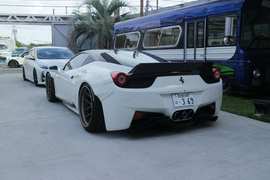
However, the event catered to more than just historic racers. The Auto Garage TBK demo car was a major attraction for street enthusiasts. Its aggressive stance and immaculately finished bodywork looked right at home on the KK Line, where it posed instead of tearing through the streets at 100 mph.
A Dive into Porsche History
The 1960s era of Porsche is defined by its robust air-cooled engines and minimalist design. The 910, for example, represents Porsche’s transition from the small-displacement 904 to a more powerful racer with its advanced engine design. For automotive history buffs, this car is a living monument to the era where drivers manually controlled every gear change, a stark contrast to today’s semi-automatic transmission systems.
Many attendees were interested in Porsche restoration, seeking guidance on how to bring their own air-cooled classics back to their former glory. This demand highlights the growing appreciation for analog driving experiences.
The Night Shift: Tokyo After Dark
Perhaps the most remarkable aspect of Luft Tokyo was the decision to extend the event into the night. The event transitioned from a clean, gallery-like setting to the kind of immersive, underground experience only Tokyo can provide.
The shift in atmosphere was palpable. As the sun set over the city, the ambient lighting transformed the scene. The cool, neutral tones of the day gave way to warm spotlights, creating an intimate and exclusive atmosphere. This Porsche car show truly embodied the spirit of Japanese car culture.
Illest and Fatlace founder Mark Arcenal was in attendance and visibly impressed by the transformation. “Luft Tokyo was a once-in-a-lifetime experience that I don’t think will ever be duplicated as that area of freeway will turn into retail and a park, I believe,” Arcenal stated. “Glad to experience it and see some of the coolest cars around Tokyo.”
This sentiment underscores the ephemeral nature of the KK Line as an event space. As urbanization progresses, such unique venues become increasingly rare. Luxury car events often rely on these unique locations to offer exclusive access, something the public rarely gets.
Localized Experiences: A Taste of Tokyo Car Culture
While Luftgekühlt is an international phenomenon, the Japanese iteration offers a distinct flavor. Tokyo’s automotive scene is famous for its unique fusion of performance and style.
The JDM Influence
One of the most surprising elements of Luft Tokyo was the strong presence of JDM (Japanese Domestic Market) influences. While Luftgekühlt is traditionally focused on air-cooled Porsches, many Japanese enthusiasts integrate these classics into their overall automotive culture. This fusion is evident in the way these Porsches are customized and displayed.
The Tokyo Street Racing Scene
Although Luft Tokyo is a controlled, static event, it pays homage to the dynamic Japanese street racing scene. The high-performance nature of Porsches perfectly complements Tokyo’s reputation for automotive excellence. Events like this draw parallels to the underground tuner culture that thrives in the city.
Porsche Restoration in Japan
Japan has always been a hub for Porsche restoration. The country has a deep appreciation for precision engineering and performance. Enthusiasts in Japan often seek out specific air-cooled Porsches that were never officially sold there, importing them to continue their legacy.
The Strategic Importance of Air-Cooled Porsches
From an industry expert perspective, the surge in popularity of air-cooled Porsches is a strategic move by the manufacturer. By elevating these cars to cultural icons, Porsche generates a massive increase in Porsche restoration cost and a higher value for these classic cars.
Why are Air-Cooled Porsches So Valuable?
The value of air-cooled Porsches stems from their connection to the original design philosophy of the brand. Before the move to water-cooled engines with the 996, Porsche was synonymous with raw, mechanical driving. Owners of these vehicles often seek vintage car appraisals to ensure their investments are protected, and classic car insurance rates are often high due to the value and rarity of these models.
For collectors and restorers, the air-cooled engine isn’t just a mechanical feature; it’s a historical milestone. The shift from air to liquid cooling in 1997 marked a significant change in the driving experience. Today, a used Porsche 911 from the air-cooled era commands a premium due to its rarity and unique engineering.
High CPC Keywords and Market Demand
This niche market drives high-value transactions. Keywords such as 964 turbo for sale, classic Porsche auction prices, and Porsche 911 restoration guide are associated with high CPC (Cost Per Click) advertising costs. This indicates strong commercial intent from buyers and restorers.
The global market shows that air-cooled Porsches are consistently among the most sought-after vehicles. They appeal to a demographic that appreciates history, craftsmanship, and performance, making them excellent assets for investment grade collectibles.
The Logistics of a Landmark Event
Planning an event of this magnitude in Tokyo requires meticulous coordination. As a specialist in event logistics, I understand the complexities involved in organizing a gathering that includes both iconic vehicles and high-profile guests like Mark Arcenal.
Regulatory Hurdles
For a private company like Luftgekühlt, obtaining permits for highway closures is a significant undertaking. Tokyo’s infrastructure is highly regulated, and ensuring the safety of 11,600 attendees is paramount. This required close coordination with local transportation authorities and police.
Transportation and Logistics
Moving 220 Porsches to the KK Line was no small feat. Classic car transport requires specialized equipment and expertise. The logistics team must ensure that the cars are protected during transit, especially for high-value models. Many Porsche owners in Tokyo utilize luxury car storage facilities to maintain their vehicles’ condition.
Event Promotion and Marketing
Promoting Luftgekühlt Tokyo required a strategic marketing approach that combined the international branding of Luftgekühlt with the local appeal of Japanese car culture. Utilizing social media, partnerships with local influencers, and targeted advertising ensured that the event reached the right audience. Luxury automotive PR played a crucial role in managing the event’s public perception and press coverage.
The Community of Porsche Enthusiasts
The success of Luftgekühlt Tokyo is a testament to the strength of the Porsche community. This global family shares a common passion for these iconic cars, and events like this serve as reunions for enthusiasts