
The Elevated Gallery: Luftgekühlt Transforms Tokyo’s Elevated Highway into an Automotive Masterpiece
By David Chen
April 6, 2026
For generations, car enthusiasts in Japan have been drawn to the electrifying atmosphere of large-scale automotive events. The Tokyo Auto Salon and the Osaka Auto Messe, with their dazzling displays of modified vehicles and cutting-edge technology, have long been the hallmarks of the Japanese car culture pilgrimage. Japanese petrolheads routinely visit these sprawling showcases, pay homage at iconic automotive shrines, and fuel themselves with an abundance of snacks from convenience stores. Yet, 2026 introduced an extraordinary experience that transcended the conventional auto show format, placing the air-cooled Porsche at the zenith of a unique urban landscape in the heart of Tokyo.
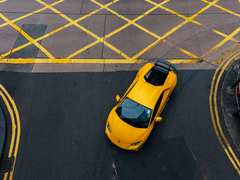
In an unprecedented feat, Luftgekühlt, the internationally renowned series celebrating air-cooled Porsche culture, made its debut in the Land of the Rising Sun. The event occupied the now-defunct KK Line, an elevated urban expressway that once connected the Kyobashi and Shimbashi districts of Tokyo. This historic thoroughfare, which formerly channeled the city’s relentless traffic, was transformed into an exclusive stage for a singular day dedicated to German air-cooled Porsche engineering and Japanese automotive craftsmanship. What had been a monotonous stretch of concrete now served as a captivating exhibition featuring approximately 220 vehicles, attracting over 11,600 attendees, and providing an entirely new perspective on both the city of Tokyo and the history of the Porsche brand.
A Curator’s Selection: Where Precision Meets Urban Spectacle
As expected from a Luftgekühlt event, the Tokyo edition was a visually arresting showcase of historic Porsche machinery. The lineup represented the pinnacle of German engineering, ranging from legendary endurance race cars to bespoke, highly customized street builds. Among the most notable exhibits was the iconic No. 28 Porsche 910, piloted by the esteemed Japanese racing legend Tetsu Ikuzawa. This machine, which achieved a remarkable second place overall and secured the class victory at the 1968 Japanese Grand Prix, commanded significant attention from the crowds.
Beyond the race track heritage, the Auto Garage TBK demonstration car captured the attention of street car enthusiasts. This meticulously modified 911 fit perfectly within the urban exhibition space, its presence replacing the expected roar of a high-speed run with a quiet, almost artistic posture. The way it rested against the railing of the elevated freeway felt less like a display and more like a carefully placed element in a dynamic urban gallery, showcasing the marriage of performance and aesthetic design.
The Transformation: From Daytime Elegance to Nocturnal Intensity
Perhaps the most remarkable aspect of Luftgekühlt Tokyo was the strategic decision to extend the festivities into the evening. This transition fundamentally altered the ambiance of the event, creating a dynamic contrast that only Tokyo could provide. What began as a meticulously curated, gallery-like environment evolved into an underground, after-dark experience that captured the essence of Tokyo’s nocturnal allure.
Mark Arcenal, founder of Illest and Fatlace, a recognized luminary in the international automotive scene, was present and expressed his profound admiration for the event’s unique evolution. “Luft Tokyo was a once-in-a-lifetime experience that I don’t think will ever be duplicated as that area of freeway will turn into retail and a park, I believe,” Arcenal shared. “Glad to experience it and see some of the coolest cars around Tokyo.”
The selection of the KK Line as the venue was a masterstroke. As an elevated structure that had served its purpose for several decades, its decommissioning provided a rare opportunity to transform infrastructure into an ephemeral automotive playground. The fact that this location, slated for future urban redevelopment into retail spaces and public parks, hosted such a historic event added a layer of poignancy. The closure of the KK Line as a traffic artery and its temporary repurposing as a luxury automotive event venue underscored the scarcity and value of such unique locations in modern Tokyo.
The Evolution of Porsche and Air-Cooled Passion
Luftgekühlt has grown from a casual meet-up into a globally recognized brand, driven by a purist philosophy that celebrates the engineering genius of early Porsche models. These vehicles, defined by their distinctive air-cooled engines—mechanical marvels that forgo traditional liquid cooling in favor of airflow for heat dissipation—represent a distinct era in automotive history. In an age dominated by hybrid and electric vehicles, the air-cooled engine stands as a testament to mechanical simplicity, driver engagement, and aerodynamic innovation.
The 2026 Luftgekühlt event in Tokyo capitalized on this inherent mystique. The KK Line, with its elevated position and unobstructed views of the city skyline, provided a dramatic backdrop that amplified the exclusivity and prestige of the gathering. It was a place where the sounds of air-cooled Porsches resonated not through the congestion of traffic, but through the structured environment of a curated exhibition. The experience allowed attendees to appreciate the vehicles’ design and craftsmanship without the distractions of a typical auto show, offering a more intimate and focused encounter with the automotive works of art.
High-End Builds and Classic Inspirations
The selection of cars at the 2026 Luftgekühlt Tokyo was a testament to the discerning tastes of Japanese enthusiasts. The exhibition featured a diverse range of classic Porsches that have transcended mere transportation to become automotive icons. One notable highlight was the 28 Porsche 910, a historical racer that captured the imagination of many. This vehicle, driven by Tetsu Ikuzawa, stood as a powerful reminder of Porsche’s racing legacy.
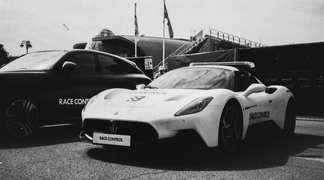
Beyond the iconic racers, the street builds showcased the ingenuity of Japanese tuners and modifications. The Auto Garage TBK demo car, for instance, was a stunning example of how classic design can be elevated through modern engineering while maintaining the timeless spirit of the air-cooled Porsche. The car’s presence at the event was a celebration of performance and aesthetics, a fusion of German engineering and Japanese craftsmanship.
The Tokyo Automotive Scene in 2026
The 2026 automotive scene in Tokyo is a vibrant tapestry of tradition and innovation. While the city has always embraced high-performance vehicles, there is a growing emphasis on sustainable mobility, luxury experience, and heritage appreciation. Luftgekühlt Tokyo fit perfectly within this evolving landscape, offering a premium event that blends automotive history with the urban dynamism of Tokyo.
The event also attracted international attention. Mark Arcenal, a prominent figure in the global automotive culture, traveled to Tokyo specifically for the Luftgekühlt experience. His presence underscores the global appeal of the air-cooled Porsche, demonstrating that this passion transcends borders and cultural boundaries. As a veteran of the automotive industry, Arcenal’s perspective highlights the unique nature of Luftgekühlt Tokyo, positioning it as a rare and irreplaceable event.
Urban Renewal and the Legacy of the KK Line
The KK Line itself is a testament to Tokyo’s continuous evolution. Originally constructed in 1962, this section of elevated highway was a vital artery for commuters and businesses. However, as urban planning priorities shifted towards pedestrian-friendly spaces and integrated infrastructure, the KK Line was decommissioned in 2010. While traffic no longer flows through this concrete canyon, the 2026 Luftgekühlt event breathed new life into this dormant structure, transforming it into a venue for automotive celebration.
The future of the KK Line involves its transformation into a retail space and park. This urban renewal initiative represents a shift in how cities use their infrastructure, prioritizing green spaces and public amenities over roadways. The Luftgekühlt Tokyo event, held on this historic site before its final transformation, serves as a poignant reminder of the transition of Tokyo, a city that constantly reinvents itself to meet the demands of the future.
The Power of Collaborative Experience
One of the most compelling aspects of Luftgekühlt Tokyo was its focus on fostering a sense of community among enthusiasts. By bringing together a curated selection of Porsches and their owners, the event created a unique atmosphere of shared passion and appreciation. The attendees, ranging from long-time Porsche collectors to young enthusiasts, were all united by their love for the air-cooled Porsche.
The 2026 event successfully transcended the traditional car show format, creating a space for enthusiasts to connect, share their stories, and appreciate the artistry of these iconic vehicles. The combination of high-end builds, classic heritage, and a unique venue created an unforgettable experience that catered to the discerning tastes of the Japanese automotive scene.
The Legacy of Luftgekühlt Tokyo
As the sun set and the event drew to a close, the KK Line gradually returned to its quiescent state, once again becoming a silent witness to Tokyo’s bustling rhythm. Yet, the memories of Luftgekühlt Tokyo would remain etched in the minds of attendees, a reminder of a day when the city’s elevated highway was transformed into a cathedral of automotive art. The event served as a testament to the enduring legacy of the air-cooled Porsche and the passionate community that surrounds it.
The successful execution of Luftgekühlt Tokyo in 2026 has set a new standard for automotive events in Japan. By combining a curated selection of high-end cars, a historically significant venue, and an unforgettable experience, the air-cooled Porsche event in Tokyo has solidified its place in the annals of automotive history. It represents a unique fusion of German engineering, Japanese craftsmanship, and urban innovation, offering a glimpse into