
Luftgekühlt Tokyo: 200-Plus Air-Cooled Porsches Transform a Closed Highway into an Epic Showcase
For automotive aficionados in Japan, the typical calendar of events is packed with legendary displays like the Tokyo Auto Salon and Osaka Auto Messe, as well as pilgrimages to clandestine garages and an endless indulgence in convenience store delicacies. However, 2026 ushered in a truly extraordinary automotive occasion right in the heart of Tokyo, where an astonishing array of Porsches took center stage.
For the very first time, Luftgekühlt, the internationally acclaimed event series dedicated to celebrating air-cooled Porsche cars, graced Japan. Taking over the now-decommissioned KK Line—an elevated stretch of highway that once connected Tokyo’s Kyobashi and Shimbashi districts—the event unfolded as a one-day showcase of German air-cooled Porsche culture, reimagined through a Japanese lens. What had once served as a conduit for urban traffic was transformed into an exceptional exhibition, featuring approximately 220 vehicles, drawing an estimated 11,600 attendees, and offering a completely unique perspective on both Tokyo’s urban landscape and Porsche history.
This premier Japanese edition of Luftgekühlt was nothing short of spectacular, featuring a meticulously curated selection of iconic air-cooled Porsche models. The lineup spanned legendary racing cars, radical street builds, and rare collectibles that rarely see public display. Among the highlights was the legendary No. 28 Porsche 910, driven by Tetsu Ikuzawa, which achieved a remarkable second place overall and first in its class at the 1968 Japanese Grand Prix. For those drawn to the raw power of street performance, the Auto Garage TBK demo car commanded attention, appearing perfectly at home on the closed highway where it posed for photographers rather than performing blistering top-speed runs.
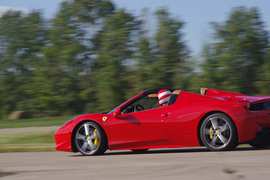
One of the most unforgettable aspects of Luft Tokyo was the extension of the event into the nighttime, which completely redefined the atmosphere. What began as a pristine, gallery-like automotive exhibition gradually transformed into the kind of electrifying, underground after-dark experience that only Tokyo can provide. Illest and Fatlace founder Mark Arcenal was present and visibly moved by the event’s execution. “Luft Tokyo was a once-in-a-lifetime experience that I don’t think will ever be duplicated as that area of freeway will turn into retail and a park, I believe,” Arcenal stated. “Glad to experience it and see some of the coolest cars around Tokyo.”
By orchestrating a synthesis of a historically significant location, a thoughtfully curated selection of air-cooled Porsches, and an experience that evolved dramatically from day to night, Luftgekühlt Tokyo offered something distinct from Japan’s traditional automotive show calendar. As the Porsches finally dispersed into the night and the KK Line returned to its eerily dormant state, the day concluded much as it began, with attendees indulging in the iconic convenience store delicacy, the famchiki, or perhaps even a second one.
The Evolution of Porsche in Japan: From Import Hotbed to Global Luxury Icon
The journey of Porsche in Japan is a compelling narrative of adaptation, exclusivity, and ultimately, domination in the premium automotive sector. Since the post-war era, Porsche has evolved from a niche enthusiast’s marque, imported by dedicated importers, to the undisputed leader in the luxury sportscar segment. This transformation is a testament to both the engineering prowess of Stuttgart and the sophisticated tastes of Japanese consumers.
Early Beginnings and the Import Era
The 1950s and 60s marked the dawn of Porsche’s presence in Japan. While the country was rapidly modernizing and its automotive industry was taking shape, the idea of a high-performance, precision-engineered German sports car was reserved for a very select group of connoisseurs. Early imports were handled by smaller, independent entities, often operating out of humble workshops. The legendary 356 model quickly gained traction among this early adopter community, prized for its minimalist beauty and handling capabilities. These cars were not everyday vehicles; they were rolling sculptures that demanded respect and a level of technical understanding that few possess.
The Rise of the 911 and International Partnerships
The introduction of the Porsche 911 in 1964 fundamentally changed the landscape. The 911 was not just an evolution; it was a revolution. Its distinctive silhouette, flat-six air-cooled engine, and racing heritage captivated drivers globally, and Japan was no exception. To manage the growing demand and ensure a consistent brand experience, the import responsibilities were consolidated under larger organizations. A significant chapter in this history involves the partnership with companies that specialized in high-end imports.
The 1970s and 80s saw Porsche establish itself as a symbol of success in Japan. As the country’s economic miracle took hold, more affluent individuals began to seek out foreign luxury brands that offered exclusivity and prestige. The 911, 924, 944, and later the 928, found their way into the garages of Japan’s elite. The import process, however, was not always straightforward. High tariffs and complex regulatory environments meant that air-cooled Porsches were incredibly expensive, creating an aura of ultimate exclusivity.
The Influence of Street Culture and Racing
Japan’s automotive culture is unparalleled in its depth, and the 911 quickly became a fixture in street racing and tuning scenes. Early Japanese tuners recognized the potential of the air-cooled engine and began to experiment with turbochargers, engine swaps, and aerodynamic enhancements. Events like the one held at the former KK Line in 2026 reflect this long-standing affinity for the air-cooled era. These enthusiasts continue to celebrate the unique character of these cars, which they see as having more soul than their modern, liquid-cooled counterparts.
This passion also extended to motorsports. Japanese drivers and teams found success in international GT and endurance racing, further bolstering Porsche’s reputation for performance and reliability. The iconic liveries of the 917, 956, and 962 dominate the history of Japanese motorsport, proving that the engineering from Stuttgart was ready to compete at the highest levels.
International Expansion and Direct Control
In the 1980s, Porsche began to consolidate its global operations. Recognizing the importance of the Japanese market, the company took a more direct approach to its business in the country. This period saw a move away from independent importers toward a more centralized structure. By establishing its own subsidiary, Porsche Japan was able to maintain tighter control over pricing, distribution, and customer service.
The introduction of modern, water-cooled sports cars like the 986 Boxster and the 996 911 in the late 1990s signaled a new era. While some purists mourned the end of the air-cooled engine, these new models proved incredibly popular in Japan, thanks to their modern technology, increased comfort, and improved performance. Porsche’s commitment to the Japanese market was further cemented with the opening of flagship showrooms and a dedicated training academy for technicians.
The Japanese Luxury Market Landscape
Today, Porsche dominates the luxury sports car segment in Japan. The market is characterized by a demand for high-performance, technologically advanced vehicles, and Porsche has successfully met these demands. The shift from air-cooled to liquid-cooled engines was a necessary step to meet stricter emission standards and the expectations of a younger generation of buyers who sought seamless integration of technology, comfort, and performance.
However, the legacy of the air-cooled Porsche endures. The Luftgekühlt event, with its focus on these historic models, demonstrates that the vintage charm of these cars still holds a powerful sway over Japanese enthusiasts. These classic vehicles are highly sought after by collectors and continue to command high prices in the secondary market, a testament to the enduring quality of Porsche’s engineering heritage.
The Technological Evolution of the Porsche Platform
The transition from air-cooled to liquid-cooled engines represents one of the most significant technological shifts in Porsche’s history. While the air-cooled Porsche models are revered for their purity and mechanical intimacy, the modern, liquid-cooled platform is a masterclass in engineering innovation, balancing performance, efficiency, and driver comfort.
Early Liquid-Cooled Models and Initial Skepticism
The initial foray into liquid-cooling began in the 1970s with the introduction of the 924 and 928. These front-engined transaxle cars were designed to appeal to a broader market, offering more practicality and comfort than the rear-engined 911. While these models were technically advanced for their time, they were met with skepticism by traditional 911 enthusiasts. The lack of the distinctive boxer engine’s sound and feel alienated some of the brand’s core audience.
The true watershed moment came in the late 1990s with the introduction of the 996 Porsche, which replaced the air-cooled 993. This was a bold move by Porsche, as the air-cooled 911 had been in production for over 30 years. The 996 featured a completely new chassis, a much more aerodynamic body, and the long-awaited switch to water cooling. This decision was driven by the need to meet increasingly strict emissions regulations and the demand for more powerful, refined, and comfortable vehicles.
The Technological Advancement of the 996 and 997
The 996 911 generation proved to be a game-changer for Porsche’s profitability and technological development. The new