
Luftgekühlt Tokyo: A Century of Porsche Heritage Converges on Japan’s Capital
The world of high-end automotive engineering rarely experiences a convergence quite like Luftgekühlt. As a veteran of the international Porsche scene for the past decade, I’ve witnessed a multitude of events that define the air-cooled Porsche legacy, but none feel quite as significant as Luftgekühlt’s inaugural voyage to Japan. Taking place in the heart of Tokyo, this event transcended the typical car show structure, transforming a decommissioned stretch of highway into a stage for automotive artistry.
For those unfamiliar with the phenomenon, Luftgekühlt—which translates to “air-cooled” in German—is more than just a car show. It’s a curated pilgrimage for Porsche enthusiasts, a gathering that places the raw, mechanical beauty of these machines at the forefront. The original Los Angeles gatherings, spearheaded by industry veteran Jeff Zwart, set a standard for precision, passion, and an appreciation for Porsche’s iconic engineering. The evolution of Luftgekühlt has seen it travel from its Southern California roots to iconic locations worldwide, but landing in Japan felt like a strategic alignment of two worlds known for their precision, discipline, and unwavering commitment to excellence.
The Venue: An Unforgettable Setting
The location selected for Luftgekühlt Tokyo was nothing short of inspired. The event took over the now-decommissioned KK Line, an elevated portion of the old highway that once connected the Kyobashi and Shimbashi districts. By stripping this artery of its vehicular traffic, the event created a blank canvas that allowed the cars to become the art. This was not just a parking lot meet; it was a reimagining of urban infrastructure into a cultural exhibition.
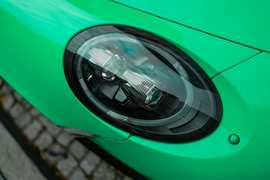
Experiencing an event in the middle of Tokyo is an assault on the senses in the most invigorating way possible. The city, a dense matrix of neon lights, historical sites, and hyper-modern architecture, normally pulses with an unparalleled energy. Placing a gathering of over 200 iconic Porsche models directly within this environment elevates the experience far beyond what most spectators are accustomed to. The KK Line, with its dramatic views of the city skyline, provided a stunning backdrop that juxtaposed the vintage aesthetics of the Porsches with the relentless futurism of Tokyo.
For years, Japanese car enthusiasts have traditionally flocked to large-scale automotive expos such as the Tokyo Auto Salon or Osaka Auto Messe. However, these events are often characterized by a broad spectrum of automotive modifications, encompassing everything from Japanese sports compacts and modified trucks to highly specialized, high-performance vehicles. While these shows offer spectacular displays of automotive creativity, they often lack the exclusive focus that a heritage-driven event like Luftgekühlt provides.
Luftgekühlt Tokyo offered something different: a deep dive into a specific lineage of engineering that has shaped automotive history. The air-cooled Porsche, with its unique mechanical design and distinct driving experience, appeals to a specific breed of connoisseur. To see such a concentration of these vehicles in the heart of one of the world’s most dynamic cities underscores the global resonance of this iconic German marque. The event’s ability to attract 11,600 attendees in a single day speaks volumes about the anticipation and demand for such an experience in the Japanese market.
The Cars: A Curated Selection of Icons
The true essence of Luftgekühlt lies in its curation. Unlike traditional car shows that showcase the latest models and futuristic concepts, Luftgekühlt celebrates the heritage of the air-cooled Porsche. Every car on display is a testament to a design philosophy that prioritized driver connection, precision engineering, and an aesthetic that remains timeless.
A Fleet of Legends
The lineup at Luftgekühlt Tokyo was a masterclass in automotive history. Walking through the rows, attendees were treated to a visual symphony of design evolution. From the early 356 models that laid the foundation for Porsche’s identity to the iconic 911 generations that cemented its dominance, the event was a chronological journey through the history of air-cooled engineering.
One of the most captivating inclusions was the No. 28 Porsche 910, piloted by the legendary Tetsu Ikuzawa. For automotive historians, this car is not just a piece of machinery; it is a living artifact. Its performance at the 1968 Japanese Grand Prix, where it secured second overall and first in class, represents a pivotal moment in Japanese motorsport history. To see this very car on the KK Line, a section of road now reclaimed for culture rather than traffic, offered an emotional connection to a bygone era. It was a stark reminder of the raw power and engineering prowess of the 1960s sports prototype era.
However, the event was not limited to vintage racers. Street cars were equally represented, each telling its own story. The Auto Garage TBK demo car was a notable inclusion, its custom modifications highlighting the blend of German engineering and Japanese tuning culture. Instead of the expected speed-demon performance, the car rested on the highway, serving as a stunning static display. This focus on aesthetic appreciation, rather than sheer speed, encapsulated the unique spirit of Luftgekühlt. It’s about celebrating the craft of modification and the beauty of the automotive silhouette.
The Engineering Philosophy
The air-cooled engine of a Porsche is a mechanical marvel that separates it from its water-cooled contemporaries. This design predates many modern automotive standards and relies on simplicity, thermal efficiency, and a unique mechanical soundtrack. The decision to hold Luftgekühlt in Tokyo specifically speaks to the city’s appreciation for detailed engineering and precision. Japanese enthusiasts are known for their meticulous approach to car care and modification, and the air-cooled Porsche scene is a significant part of this landscape.
The vehicles on display ranged from pristine, factory-spec restorations to heavily modified custom builds. This variety appealed to a wide range of preferences. Some attendees were drawn to the pure historical significance of the vintage models, appreciating the preservation of original design and mechanical integrity. Others gravitated toward the modified cars, drawn in by the custom fabrication, upgraded suspension systems, and personalized interiors.
For those in the industry, the event provided a unique insight into the Japanese tuning culture. The attention to detail displayed in the modifications was a testament to the expertise of local tuners. The focus on integrating aftermarket components seamlessly into the original Porsche design demonstrated a deep respect for the heritage of the brand while pushing the boundaries of what is possible with these iconic chassis.
The After-Hours Experience: Tokyo After Dark
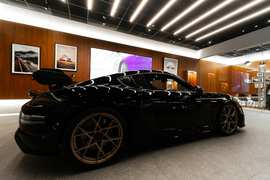
One of the most defining characteristics of Luftgekühlt events is the seamless transition from daytime formality to nighttime immersion. What begins as a polished, almost gallery-like exhibition transitions into an underground, after-dark experience that only Tokyo can provide.
A Nighttime Transformation
The shift in atmosphere as the sun set over Tokyo was palpable. The clean, almost sterile environment of the daytime show gave way to a more visceral experience. As the city lights illuminated the KK Line, the Porsches transformed into shimmering artifacts, their chrome accents and polished surfaces reflecting the neon glow of the surrounding skyline.
Mark Arcenal, the founder of Illest and Fatlace, a respected voice in global car culture and a participant at the event, shared his awe at the transformation. His words capture the essence of what made Luftgekühlt Tokyo so special: “Luft Tokyo was a once-in-a-lifetime experience that I don’t think will ever be duplicated as that area of freeway will turn into retail and a park, I believe,” Arcenal commented. “Glad to experience it and see some of the coolest cars around Tokyo.”
Arcenal’s observation highlights the fleeting nature of such opportunities. The KK Line is scheduled for redevelopment, and the probability of a future event occurring in the same location is slim. This unique setting added a layer of exclusivity to the gathering, making attendees feel as though they were part of something rare and potentially unrepeatable. The combination of a historically significant location, a carefully curated selection of vehicles, and an experience that evolved dramatically from day to night offered something distinct from Japan’s traditional auto shows.
The Intersection of Culture and Commerce
The event’s timing was also significant in the context of Tokyo’s urban planning. The KK Line’s decommissioning aligns with the city’s efforts to transform infrastructure into mixed-use spaces. The area is slated for a redevelopment project that includes the creation of new retail spaces and parks. This transition reflects a global trend in urban renewal, where historical infrastructure is often re-purposed to foster community engagement and economic growth.
From a real estate and development perspective, the Tokyo market has been a hotbed of activity. The valuation of commercial real estate in central Tokyo remains high, and the city continues to attract significant foreign investment. Events like Luftgekühlt, which utilize these temporary spaces, attract high-profile attention, subtly promoting the location as a desirable area for future commercial and residential development.
For luxury brands and specialized automotive manufacturers, such as Porsche, aligning with high-profile events offers a strategic marketing advantage. It connects the brand with a target demographic of affluent enthusiasts and collectors. By hosting events in unique locations, brands can generate organic buzz through social media and press coverage, amplifying their reach far beyond the physical event space. The ability to host a major automotive gathering in a city like Tokyo is a testament to the brand’s global status and its appeal to collectors in the Asia-Pacific region.
The Legacy of Luftgekühlt Tokyo
As the Porsches finally scattered into the night and the KK Line returned to its eerily dormant state, it was back to the familiar rituals of Japanese car culture. The evening ended as many Japanese car enthusiasts’ nights do—with a final bite of konbini convenience store food or two.
The End of an Era, The Beginning of a Legacy
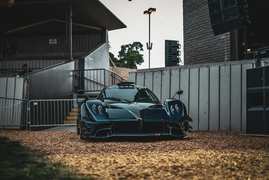
Luftgekühlt Tokyo marked a significant milestone for the air-cooled Porsche community. It was