Luftgekühlt Tokyo 2026: 200-Plus Air-Cooled Porsches Take Over the KK Line Elevated Highway
A Deep Dive into the Evolution of Air-Cooled Porsche Events in Japan
For Japanese car enthusiasts, the calendar of automotive events traditionally features staples like the Tokyo Auto Salon, the Osaka Auto Messe, or long pilgrimages to world-class private garages and specialist workshops. However, 2026 brought a milestone that redefined the landscape of automotive culture in Japan: the introduction of Luftgekühlt. The iconic air-cooled Porsche gathering, which began in Los Angeles over a decade ago and evolved into a global phenomenon, finally made its long-awaited debut in the heart of Tokyo. This historic occasion transformed the decommissioned KK Line, an elevated section of the Shuto Expressway that once served as a major urban artery, into a temporary sanctuary for some of the finest German engineering.
The transformation of the KK Line, connecting the districts of Kyobashi and Shimbashi, from a symbol of modern Tokyo’s rapid transit infrastructure into a showcase of historic Porsche design was both symbolic and visually stunning. This one-day event provided a unique canvas, offering enthusiasts and visitors an entirely new way to experience both the cityscape and the legacy of the air-cooled Porsche 911 and its siblings. The scale of the event was substantial, attracting over 11,600 attendees and showcasing approximately 220 vehicles, ranging from concours-level concours-quality restorations to extreme custom builds. For those specializing in classic car restoration and custom Porsche builds, the Luftgekühlt Tokyo experience represented a paradigm shift in how traditional automotive gatherings are perceived and executed.
The Significance of the KK Line as a Venue
The choice of the KK Line as the venue was a masterstroke by the event organizers, Air|Fuel. This defunct elevated highway is more than just a piece of infrastructure; it is a physical manifestation of a bygone era. Built during the 1960s as part of the preparation for the 1964 Tokyo Olympics, the highway facilitated rapid access to the city’s central business district. However, increased urbanization and changing traffic patterns led to its eventual decommissioning, leaving a large, unused corridor above ground. Reappropriating this space for a classic car show served multiple purposes: it provided a massive, easily accessible location free from the constraints of typical urban infrastructure, and it offered a dramatic visual contrast between the futuristic architecture of the Shimbashi district and the timeless lines of the air-cooled Porsches.
For veterans of the automotive industry, the significance of this particular location was not lost on them. As the infrastructure of many cities continues to evolve, such unique spaces become increasingly scarce. Jofel Tolosa, an industry insider and founder of Fatlace, emphasized this point during the event. He noted the ephemeral nature of the location, stating, “Luft Tokyo was a once-in-a-lifetime experience that I don’t think will ever be duplicated as that area of freeway will turn into retail and a park, I believe. Glad to experience it and see some of the coolest cars around Tokyo.” This perspective highlights the scarcity of unique event venues that can accommodate a gathering of this magnitude while maintaining the aesthetic and logistical requirements necessary for a world-class Porsche exhibition. The rarity of such opportunities underscores the importance of events like Luftgekühlt in preserving and celebrating automotive history.
A curated Collection of Iconic Porsches
As expected from an event hosted by Luftgekühlt, the vehicular selection was nothing short of spectacular. The event featured a carefully curated mix of vehicles that spanned the entire production history of the air-cooled Porsche, showcasing everything from legendary race cars and homologation specials to pristine street restorations and extreme custom modifications. This diversity ensures that the event appeals to a broad spectrum of automotive enthusiasts, from those who appreciate historical purity to those who enjoy pushing the boundaries of custom automotive design.
One of the most historically significant cars on display was the No. 28 Porsche 910. This legendary endurance racer, historically driven by Japanese motorsport icon Tetsu Ikuzawa, achieved a remarkable second-place finish overall and first in its class at the 1968 Japanese Grand Prix. The presence of this vehicle added a deep layer of historical context to the event, connecting the modern-day gathering to Japan’s pioneering days in international motorsports. For serious car collectors and those interested in motorsport history, such vehicles represent invaluable pieces of history, symbolizing an era of raw performance and engineering prowess.
Beyond the race cars, the event showcased the diversity of the air-cooled Porsche community in Japan. A highlight for many was the Auto Garage TBK demo car. This custom build, a testament to the meticulous craftsmanship and bold creativity of Japanese tuners, sat perfectly alongside the historical machines. While classic air-cooled Porsches are traditionally admired for their pristine originality, modern builds like this one demonstrate how the air-cooled platform continues to inspire innovation in the custom car scene. The integration of German performance cars with Japanese tuning culture created a unique synergy that is characteristic of the Tokyo automotive scene.
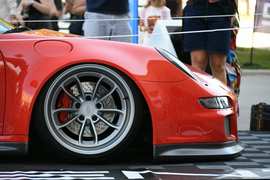
For automotive historians and collectors, the Porsche 911 remains the most iconic model. The event featured countless variations, from the lightweight and nimble 2.7 RS models that set the standard for lightweight sports cars to the wide-body 930 Turbo variants that became symbols of 1980s excess and power. Each car on display represented thousands of hours of dedication, precision engineering, and a commitment to preserving the legacy of Ferdinand Porsche’s groundbreaking design. The presence of these vehicles at Luftgekühlt Tokyo reinforced the enduring appeal of the air-cooled Porsche and its significance in the global automotive market.
The Transition from Day to Night: An Evolving Experience
Perhaps the most innovative aspect of the Luftgekühlt Tokyo event was the strategic extension of the celebration into the nighttime hours. This decision transformed the character of the event entirely, moving from a daytime exhibition to an immersive, atmospheric after-dark experience that could only be delivered by the vibrant energy of Tokyo. What began as a clean, almost gallery-like display of automotive excellence gradually evolved into a more organic, intimate gathering where the focus shifted from static display to social interaction and cultural exchange.
The transition from day to night was not just a change in lighting; it was a change in atmosphere. As the sun set and the city lights began to twinkle, the elevated highway transformed into a unique urban stage. The sound of conversation, laughter, and the occasional burble of an air-cooled engine replaced the ambient hum of daytime traffic. This transformation provided a stark contrast to traditional auto shows and car exhibitions, which often prioritize sterile, structured environments over experiential immersion. By fostering this dynamic atmosphere, Luftgekühlt Tokyo successfully tapped into the unique underground car culture of Tokyo, offering a rare glimpse into the social side of the automotive community.
This innovative approach resonates strongly with industry professionals who focus on event planning and experiential marketing. The ability to curate an experience that evolves throughout the day allows for multiple layers of engagement and satisfaction for attendees. By offering both a comprehensive display of the vehicles during the day and a more relaxed, sociable environment at night, the organizers maximized the value of the venue and the time invested by participants. This strategy is a clear indicator of how automotive event management is moving away from static displays toward dynamic, multi-faceted experiences that engage attendees on multiple sensory and emotional levels. The success of this approach suggests that unique car gatherings that blend automotive appreciation with cultural immersion will continue to grow in popularity and significance.
The Lasting Impact on Japanese Automotive Culture
The debut of Luftgekühlt in Tokyo marks a significant milestone in the evolution of automotive culture in Japan. By bridging the gap between the iconic German heritage of Porsche and the unique character of the Japanese automotive scene, the event created a space for dialogue, collaboration, and mutual appreciation. For a country that has long been at the forefront of automotive innovation and design, the inclusion of air-cooled Porsche culture in such a prominent global event solidifies the enduring legacy of this engineering marvel.
From a classic car restoration perspective, the event served as both inspiration and benchmark. The meticulous attention to detail displayed by the German-inspired Porsche models on display demonstrated the dedication required to maintain these vehicles to the highest standards. For Japanese custom car builders and restorers, the event provided an opportunity to showcase their skills alongside some of the world’s most sought-after German sports cars. The cross-cultural exchange of techniques, ideas, and passion enriched the local automotive community, pushing the boundaries of what is possible in automotive restoration and tuning.
The legacy of Luftgekühlt Tokyo extends beyond the vehicles and the venue; it is about the experience and the connections fostered during the event. The opportunity to witness such a diverse collection of air-cooled Porsche models up close, to meet fellow enthusiasts, and to experience the unique atmosphere of a transformed city infrastructure left a lasting impression on all who attended. As the automotive world continues to evolve with the advent of electrification and autonomous technology, the enduring appeal of the air-cooled Porsche serves as a reminder of the purity, craftsmanship, and mechanical simplicity that defined an era of automotive excellence.
For serious car collectors, the air-cooled Porsche remains one of the most desirable and valuable assets in the automotive market. The demand for rare and pristine examples continues to drive the classic car market, and events like Luftgekühlt Tokyo play a crucial role in preserving the legacy of these iconic machines. By providing a