
Luftgekühlt Tokyo: A Milestone in Japanese Air-Cooled Porsche Culture
For enthusiasts in Japan, attending automotive showcases is typically limited to iconic events like the Tokyo Auto Salon or Osaka Auto Messe, alongside visits to remarkable garages and indulging in copious amounts of convenient snacks from convenience stores. This year, however, a truly extraordinary automotive celebration took place in the heart of Tokyo, where an astonishing number of Porsche vehicles took center stage.
For the very first time, Luftgekühlt—the increasingly influential series of events dedicated to air-cooled Porsche vehicles—was held in Japan. The event took over the now-decommissioned KK Line, an elevated stretch of highway that formerly connected the Kyobashi and Shimbashi districts of Tokyo. This transformed the road into a day-long celebration of German air-cooled Porsche culture with a distinctly Japanese flavor, featuring approximately 220 cars, 11,600 attendees, and offering a completely different way to experience both Tokyo’s landscape and Porsche’s rich heritage.
The organizers of Luftgekühlt Tokyo successfully integrated the historic infrastructure with the iconic German engineering, creating an experience that resonated with both long-time Porsche enthusiasts and those attending for the first time. The transition of the highway from a commuter route to an automotive showcase highlighted the adaptability of urban spaces and the enduring appeal of air-cooled Porsche models, which continue to captivate car lovers worldwide.
A Curated Showcase of Air-Cooled Excellence
As anticipated, Luft Tokyo presented a stunning display of historic Porsche vehicles, ranging from legendary racing machines to unique street modifications. A particular highlight was the No. 28 Porsche 910, driven by Tetsu Ikuzawa, which achieved second place overall and first in its class at the 1968 Japanese Grand Prix. For fans of street cars, the Auto Garage TBK demo car was a standout, fitting perfectly on the KK Line as a stationary exhibit rather than being tested at high speeds.
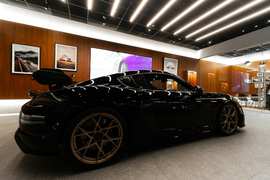
One of the most innovative aspects of Luft Tokyo was extending the event into the evening, which completely transformed the atmosphere. What began as a clean, gallery-like showcase gradually evolved into the kind of underground, after-dark experience that only Tokyo can provide. Illest and Fatlace founder Mark Arcenal attended the event and expressed his admiration for its unique execution. “Luft Tokyo was a once-in-a-lifetime experience that I don’t think will ever be duplicated, as that area of freeway will be developed into retail and a park, I believe,” Arcenal noted. “I’m glad to have experienced it and seen some of the coolest cars around Tokyo.”
By combining a historically significant location with a carefully curated selection of vehicles and an experience that dramatically shifted from day to night, Luftgekühlt Tokyo offered something distinct from Japan’s traditional car show calendar. As the Porsches finally dispersed into the evening, leaving the KK Line in its eerily quiet state, attendees were reminded of the traditional Japanese culinary experience of grabbing a “famchiki,” or two, from a nearby convenience store.
The Legacy of Luftgekühlt Tokyo
Luftgekühlt Tokyo represents a significant moment in the global expansion of the air-cooled Porsche movement. The event successfully brought a concept developed in the United States to the Japanese market, demonstrating the universal appeal of these iconic automobiles. The choice of the KK Line as the venue added a unique dimension to the event, allowing for a distinct urban setting that differed from traditional auto shows.
For automotive enthusiasts, attending a Luftgekühlt event provides an opportunity to connect with the Porsche community, appreciate the heritage of air-cooled models, and experience a unique atmosphere that celebrates car culture. The Japanese edition of the event successfully captured this spirit, offering a memorable experience for attendees and contributors alike.
Factors Influencing Porsche Sales and Preferences
The success of events like Luftgekühlt Tokyo reflects the growing interest in Porsche vehicles among Japanese consumers. Several factors contribute to the popularity of these cars, including the increasing global demand for premium and sports cars, the rising affluence of the Japanese population, and the enduring appeal of German engineering and design.
Premium Segment Growth: The premium car market in Japan has shown steady growth, driven by consumer demand for luxury vehicles and high-performance sports cars. Porsche’s brand reputation for quality, performance, and exclusivity makes it a top choice for buyers in this segment.
Increasing Consumer Interest: As more people become interested in automotive culture and high-end vehicles, they are increasingly turning to Porsche for their performance and lifestyle needs. Events like Luftgekühlt Tokyo play a crucial role in raising awareness and fostering connections with potential buyers.
Expanding Market Opportunities: The Japanese automotive market offers significant opportunities for premium brands, with a growing base of affluent consumers and a demand for personalized and exclusive automotive experiences. Porsche’s ability to connect with these consumers through targeted events and marketing initiatives is key to its success in this market.
Porsche’s Global Expansion: Porsche’s global expansion strategy includes targeting emerging markets and developing a strong presence in key regions. The Japanese market represents a significant opportunity for Porsche to broaden its reach and build a loyal customer base. The success of Luftgekühlt Tokyo demonstrates the effectiveness of these efforts in attracting and engaging with consumers in the Japanese market.
Automotive Tourism and Global Events
Automotive tourism plays a crucial role in the global car community, with enthusiasts traveling from around the world to attend major automotive events and showcases. These events offer opportunities to experience different car cultures, connect with like-minded individuals, and appreciate unique automotive traditions.
Global Event Circuit: Events like Luftgekühlt Tokyo are part of a global event circuit that attracts car enthusiasts from around the world. These events provide a platform for Porsche to connect with its global customer base, showcase its latest models, and celebrate its automotive heritage.
Automotive Culture and Community: Automotive enthusiasts often form close-knit communities based on shared interests and passion for cars. These communities play a crucial role in preserving automotive traditions, sharing knowledge, and fostering connections among like-minded individuals. Events like Luftgekühlt Tokyo provide a platform for these communities to come together, share their passion, and celebrate their shared interest in cars.
Local and Global Events: Automotive enthusiasts often attend both local and global events to experience different car cultures and connect with like-minded individuals from around the world. Local events offer opportunities to connect with the local car community, while global events provide a platform to experience different automotive traditions and meet enthusiasts from around the world.
The Unique Experience of Luftgekühlt Tokyo
Luftgekühlt Tokyo offered a unique experience that combined the heritage of air-cooled Porsches with a distinctive Japanese flavor. The choice of the KK Line as the venue provided a unique setting that differed from traditional auto shows, allowing for a more intimate and immersive experience.
Unique Event Features: Luftgekühlt Tokyo featured a curated selection of Porsche vehicles, ranging from classic racing machines to custom street builds. The event also included educational sessions, workshops, and opportunities to connect with the Porsche community.
Cultural Immersion: Luftgekühlt Tokyo offered a cultural immersion into Japanese car culture, with opportunities to experience Japanese automotive traditions, culinary delights, and unique urban settings. The event provided a platform to experience the unique combination of German engineering and Japanese culture, offering a truly unforgettable experience for attendees.
Building Connections and Community: Luftgekühlt Tokyo played a crucial role in building connections within the Porsche community, bringing together enthusiasts, owners, and fans of air-cooled Porsche vehicles. The event provided a platform for these communities to connect, share their passion, and celebrate their shared interest in cars.
The Future of Air-Cooled Porsche Events
The success of Luftgekühlt Tokyo highlights the growing demand for air-cooled Porsche events and the potential for further expansion of these events in new markets. Porsche’s ability to connect with these consumers through targeted events and marketing initiatives is key to its success in this market.
Expanding Global Presence: Porsche’s global expansion strategy includes targeting emerging markets and developing a strong presence in key regions. The Japanese market represents a significant opportunity for Porsche to broaden its reach and build a loyal customer base. The success of Luftgekühlt Tokyo demonstrates the effectiveness of these efforts in attracting and engaging with consumers in the Japanese market.
Cultural Fusion and Unique Experiences: As Porsche expands its global presence, events like Luftgekühlt Tokyo will continue to play a crucial role in connecting with consumers in different regions. These events offer unique experiences that combine German engineering with local cultures, providing a platform for cultural fusion and memorable automotive celebrations.
Engaging the Next Generation of Porsche Enthusiasts: As the car market continues to evolve, Porsche’s ability to engage the next generation of Porsche enthusiasts will be crucial to its long-term success. Events like Luftgekühlt Tokyo provide a platform to connect with younger audiences, introduce them to the world of Porsche, and foster a passion for these iconic automobiles.
Conclusion
Luftgekühlt Tokyo marked a significant milestone in the global expansion of air-cooled Porsche culture. The event successfully brought a concept developed in the United States to the Japanese market, demonstrating the universal appeal of these iconic automobiles. The choice of the KK Line as the venue provided a unique setting that differed from traditional auto shows, allowing for a more intimate and immersive experience.
By combining a historically significant location, a carefully curated selection of vehicles, and an experience that dramatically shifted from day to night, Luftgekühlt Tokyo offered something distinct from Japan’s traditional car show calendar. As the Porsches finally dispersed into the evening, leaving the KK Line in its eerily quiet state, attendees were reminded of the traditional Japanese culinary experience of grabbing a “famchiki,” or two, from a nearby convenience store.
The success of Luftgekühlt Tokyo reflects the growing interest in Porsche vehicles among Japanese consumers and the potential for further expansion of these events in