



Navigating the New Automotive Landscape: 2025’s Reshaping Forces and a Cautiously Optimistic Outlook for 2026
The automotive industry, ever a bellwether of economic sentiment and consumer behavior, navigated a complex terrain throughout 2025. While headline figures might suggest a period of relative stability, a deeper dive into the data reveals significant underlying shifts that are fundamentally reshaping market dynamics. For those in the business, from dealerships in Dallas to manufacturers in Detroit, understanding these evolving car market trends isn’t just about staying afloat; it’s about charting a course for sustainable success in the year ahead.
As we peer into the crystal ball for 2026, the prevailing sentiment isn’t one of unbridled exuberance, but rather a cautiously optimistic outlook for 2026. This measured perspective is born from a decade of observing cyclical patterns, technological disruptions, and the enduring power of consumer demand, tempered by the economic realities of the present. After a period of significant upheaval, 2025 served as a year of absorption and subtle recalibration, setting the stage for a more strategically defined 2026.
The Enduring Sticker Shock: New Car Affordability in 2025
One of the most persistent observations from the past year is the plateauing of average new vehicle prices. For the third consecutive year, the average transaction price for a new automobile has hovered just above the $49,000 mark. This sustained level, while not indicative of a price decrease, signifies a remarkable feat of inventory management and production strategy by automakers. Faced with ongoing supply chain complexities and the lingering effects of geopolitical pressures, manufacturers have, for the most part, adeptly absorbed rising production costs and even some tariff increases without translating them directly into dramatic sticker price hikes. This has been a critical factor in preventing a more significant cooling of demand.
This price stability, however, belies a more complex narrative when examining the origin of these vehicles. The percentage of U.S.-built vehicles within the overall new vehicle inventory saw a significant increase, now accounting for a commanding 54% of all available new models. This shift in domestic production is a direct response to the economic and political landscape of recent years, influencing both availability and, as we’ll see, pricing.
Tariff Tango: The Nuanced Impact on Vehicle Pricing
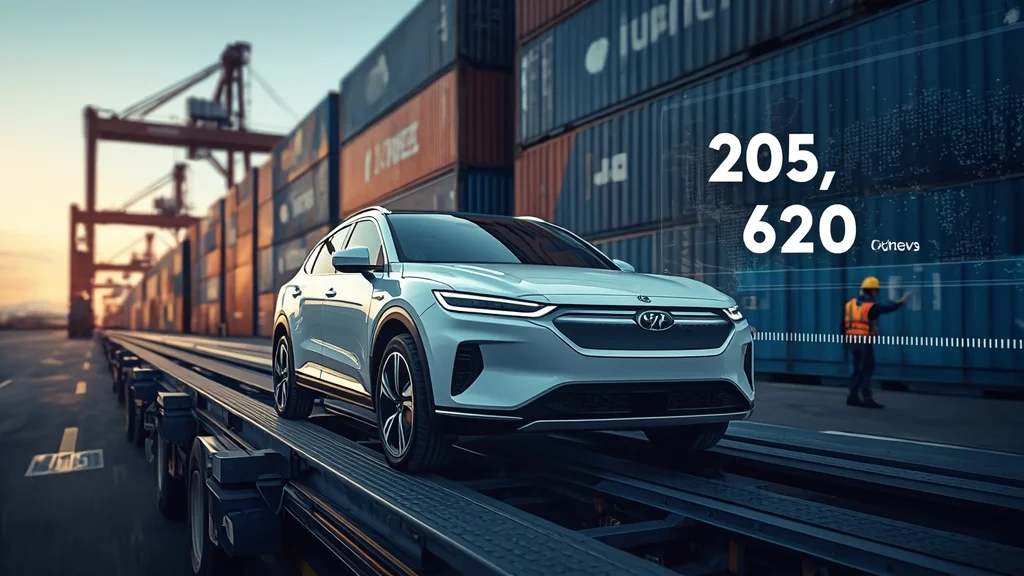
The specter of tariffs loomed large over the automotive market throughout 2025, generating considerable debate and anxiety. While headlines often focused on the potential for widespread price increases, the reality proved to be far more nuanced. The average list price for a new vehicle across the board experienced a modest increase of just $302 over the year. However, this seemingly negligible figure masks substantial variations based on a vehicle’s country of origin.
Vehicles manufactured within the United States actually became more accessible, with their average prices declining by approximately $308. This trend directly correlates with the increased domestic production share. Mexican-manufactured vehicles, representing the second-largest source of new car inventory for the U.S. market, saw a comparatively small price increase of $95.
The story is starkly different for European imports. Despite accounting for less than 6% of the available inventory, these vehicles experienced a significant surge in average prices, escalating by over $7,000. This dramatic divergence underscores a critical takeaway for consumers: where a vehicle is manufactured has never been more critical in determining its affordability. For automakers, 2025 served as an undeniable catalyst for a strategic re-evaluation and potential reshaping of their global supply chains to mitigate such price volatility and better serve the U.S. consumer. This focus on domestic and near-shore production is a key trend in automotive supply chain management.
The Sedan’s Swan Song: SUV Dominance Extends to the Used Market
For decades, the automotive industry has witnessed a slow but inexorable migration away from traditional sedans and coupes towards the more spacious and versatile SUV body style. This trend, long evident in new vehicle production, has now firmly permeated the used car market. Sedans, coupes, and convertibles now constitute less than 30% of the total used vehicle inventory, a notable decline from their 41% share in 2019. This phenomenon is particularly pronounced in the mainstream brand segment, where used car inventory of traditional car body styles has shrunk by an astounding 44% compared to 2019.
This scarcity in the used car market, coupled with the sustained demand for SUVs, has had a profound impact on pricing. Since 2019, used car prices have surged by an impressive 42%, a figure that outpaces the 35% increase observed in new car prices over the same period. This divergence highlights a fundamental shift in consumer preferences, exacerbated by evolving production strategies, leading to the diminished presence of the once-ubiquitous used sedan, a traditional entry point for budget-conscious buyers. This shift impacts the used car market outlook significantly.
The Used Car Affordability Crunch: A New Reality for 2026
Looking ahead to 2026, the persistent challenge of used car scarcity will undoubtedly continue to shape purchasing decisions, particularly for consumers operating under tighter budgets. Price inflation, a pervasive concern across various sectors of the economy, is poised to intensify these cost pressures. The limited supply of pre-owned vehicles has already necessitated significant adaptations within retail operations and consumer behavior.
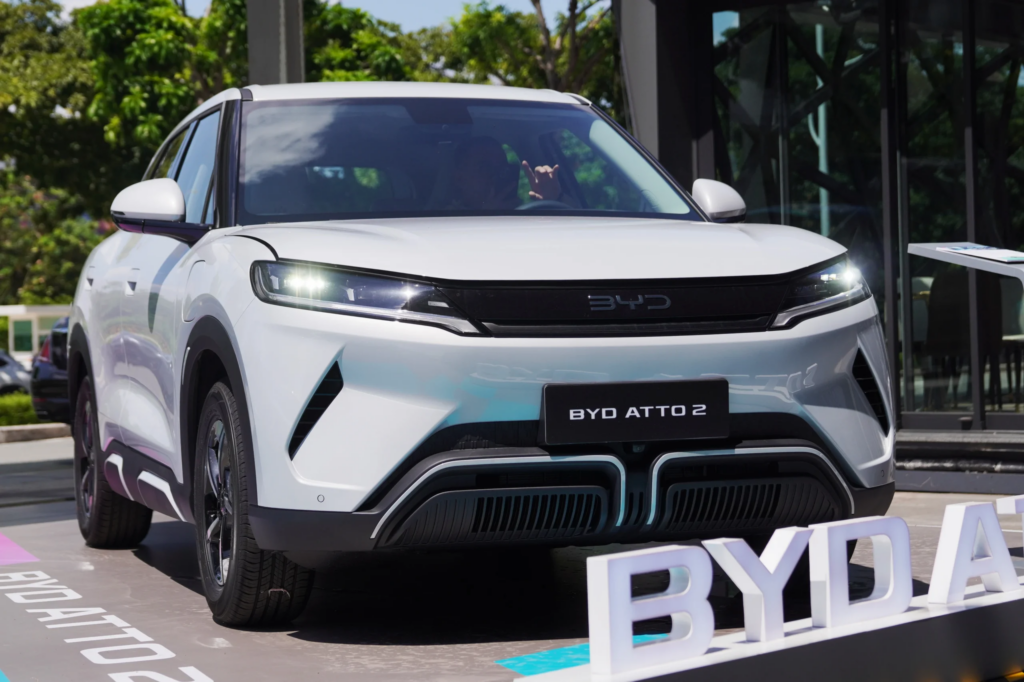
Dealerships have spent years navigating the complexities of vehicle shortages, employing innovative sourcing strategies, accelerating vehicle turnover, and, at times, acquiring higher-priced or higher-mileage inventory to meet demand. The reality of the current market suggests that vehicles with over 100,000 miles are likely to represent a larger proportion of available used inventory as truly affordable options remain exceptionally limited. This creates opportunities for specialized used car dealerships and also demands new approaches to vehicle reconditioning and consumer education.
The Rise of Fully Loaded: Premium Features Drive Sales
In tandem with these inventory and pricing dynamics, a distinct consumer preference for higher trim levels has emerged, reaching its highest share in five years. Automakers, recognizing this trend, are increasingly leaning into offering “fully loaded” options. This strategy not only helps to move inventory more efficiently but also aligns with a consumer desire for enhanced features and technology, even within a constrained budget. This focus on high-end used cars and new car trims is a critical factor for auto sales forecasting.
Consumer Behavior: More Sales, Longer Stays
Despite the overarching affordability concerns, 2025 did witness an increase in the overall number of vehicles purchased, with sales growing modestly to 16.2 million units. However, this growth was accompanied by a subtle yet significant shift in dealer inventory dynamics. On average, new vehicles sat on dealer lots for three days longer in 2025 compared to previous periods. This indicates that while consumers were ultimately making purchases, the decision-making process may have become more deliberate, perhaps influenced by the price point, the availability of desired features, or a more cautious approach to significant financial commitments. This data is crucial for automotive market analysis.
Recalibration for 2026: Adapting to the New Normal
If 2024 was a year of bracing for uncertainty in the automotive sector, and 2025 was about learning to operate within that uncertainty, then 2026 is shaping up to be the year of recalibration. This involves a fundamental redefinition of expectations and processes. For dealerships in cities like Chicago used cars, or used car sales Los Angeles, this means adapting to a market where affordability and availability are paramount constraints. It requires a strategic approach to inventory acquisition, a deeper understanding of consumer financial realities, and a commitment to transparency and value.
The concept of “value” itself is evolving. It’s no longer solely about the lowest price, but about the overall package of features, reliability, and long-term ownership costs. For consumers seeking a new or used car in the current market, this shift demands a more informed and pragmatic approach to their vehicle search. The days of impulse buys or readily available budget options are, for now, a memory.
Strategic Imperatives for Industry Stakeholders
For automotive manufacturers, the insights from 2025 underscore the continued importance of agile production strategies, robust supply chain diversification, and a keen understanding of regional market demands. Investing in electric vehicle (EV) adoption strategies and ensuring competitive pricing and charging infrastructure will be paramount as consumer interest in sustainable transportation continues to grow. The market for affordable electric vehicles is a particularly dynamic segment to watch.
For dealerships, the imperative is clear: adapt or be left behind. This includes embracing digital sales channels, optimizing inventory management for the current market realities, and focusing on building strong customer relationships through exceptional service. Understanding the nuances of local car sales trends will be critical for success in specific geographic markets.
Consumers, armed with this understanding of the evolving market, are empowered to make more informed decisions. Thorough research, a realistic assessment of budget, and a willingness to explore various options, including potentially longer-term ownership of well-maintained vehicles, will be key to navigating the road ahead.
The Path Forward: Embracing the Future with Informed Action
The automotive industry in 2026 will undoubtedly be a landscape defined by intelligent adaptation and strategic foresight. The lessons learned from the price fluctuations, supply chain disruptions, and shifting consumer preferences of 2025 have laid the groundwork for a more resilient and customer-centric future. As we move forward, the focus on delivering tangible value, coupled with an unwavering commitment to understanding and meeting consumer needs, will be the most reliable compass for navigating this dynamic and ever-evolving market.
Whether you are a seasoned industry professional seeking to refine your strategy, a business owner looking to optimize your operations, or a consumer preparing for your next vehicle purchase, the insights gleaned from the past year offer a clear roadmap for informed action. We invite you to delve deeper into these evolving trends and consider how they can shape your approach to the opportunities and challenges that lie ahead in the vibrant world of automotive commerce.
