
The Shifting Sands of Automotive Affordability: Navigating 2026’s Market Dynamics
The automotive landscape of 2025 presented a fascinating paradox: while consumer demand saw a modest uptick, signaling a potential return to normalcy, the underlying economics painted a more complex picture. As we stand on the cusp of 2026, a cautious optimism prevails, grounded in the understanding that the industry has navigated significant disruptions and is now poised for recalibration. For those immersed in the new car market and the intricacies of used car prices, the past year has been a masterclass in adaptation.
For the third consecutive year, the average transaction price for a new vehicle has hovered just above the $49,000 mark. This stubborn plateau, while seemingly stable, belies the dynamic forces at play, particularly the evolving impact of global tariffs and production shifts. The fact that U.S.-built vehicles now constitute a commanding 54% of all new-vehicle inventory is a testament to strategic adjustments by manufacturers and a significant indicator of where production is increasingly concentrating. Concurrently, the used car market has witnessed a dramatic transformation, with traditional sedans, coupes, and convertibles now representing less than 30% of available inventory—a record low. This scarcity of historically affordable options is fundamentally reshaping the purchasing journey for a significant segment of buyers.
Looking back at 2025, the narrative often revolved around the omnipresent specter of tariffs. While these trade policies dominated headlines, their real-world impact on new vehicle pricing was more nuanced than initially feared, at least on an average basis. The data reveals that the average list price for a new vehicle increased by a mere $302 over the course of the year. However, this aggregate figure obscures significant disparities based on the vehicle’s country of origin. U.S.-manufactured vehicles, which saw their share of the market inventory climb to 54%, actually became more accessible, with their average prices declining by approximately $308. Mexican-built vehicles, the second-largest contributor to the U.S. supply, experienced a more modest price increase of just $95. The most striking divergence occurred with European imports. Despite representing a shrinking fraction of available inventory (less than 6%), these vehicles saw their prices surge by over $7,000.
This stark contrast in pricing trends underscored a critical takeaway for consumers: the origin of a vehicle’s manufacture became a more significant determinant of its price than perhaps ever before. For automakers, 2025 served as a potent catalyst, compelling them to re-evaluate and actively reshape their global supply chains. The era of prioritizing cost over geopolitical realities was clearly giving way to a more pragmatic, geographically diversified approach to production. This shift has profound implications for auto industry trends and the availability of specific models.
The SUV Dominance Continues: Reshaping the Used Car Landscape
For decades, the automotive industry has observed a slow but steady migration from traditional car body styles to sport utility vehicles (SUVs). This trend, long evident in new vehicle production, has now unequivocally permeated the used car market. Sedans, coupes, and convertibles, once the bedrock of pre-owned inventory, now comprise less than 30% of all used vehicles available for sale. This figure represents a significant decline from 41% in 2019. The mainstream brand sector has been particularly affected, experiencing a 44% reduction in car inventory in 2025 compared to 2019.
The ramifications of this dramatic shift are multifaceted. Since 2019, used car prices have seen a substantial increase of 42%, a rise that notably outpaces the 35% escalation in new car prices over the same period. This divergence is a direct consequence of evolving consumer preferences coupled with the industry’s production realignment. The decline of the used sedan, historically a crucial entry point for budget-conscious buyers and younger demographics, presents a significant challenge to automotive affordability. This scarcity is directly impacting the dynamics of used car dealerships nationwide, forcing them to adapt their sourcing and pricing strategies.
Navigating the Affordability Crunch: Scarcity and Inflation in the Used Car Sector
As we look ahead to 2026, the pressure points surrounding affordability will continue to be a dominant theme, particularly within the used car market. These cost pressures, largely exacerbated by persistent inventory challenges, will undoubtedly shape the decision-making processes of budget-conscious buyers. The specter of price inflation, a lingering concern across various economic sectors, could further intensify these challenges. For those seeking affordable used cars, the landscape remains demanding.
The limited supply of used vehicles has fundamentally reshaped retail operations and consumer behavior. Dealers have, over the past few years, become adept at navigating vehicle shortages through a combination of creative sourcing strategies, accelerating inventory turnover, and, at times, acquiring higher-priced or higher-mileage vehicles to meet demand. It is projected that vehicles with over 100,000 miles will constitute an increasingly larger share of available used inventory, reflecting the ongoing struggle to provide truly affordable options. This trend has significant implications for car maintenance and longevity expectations among buyers.
If 2024 was characterized by bracing for uncertainty within the automotive industry, and 2025 by a period of adaptation and living within that uncertainty, then 2026 emerges as a year for recalibration. It is a year to redefine expectations, refine processes, and strategically navigate the prevailing constraints of affordability and availability. The car buying experience itself is evolving, demanding a more informed and adaptable approach from consumers and dealers alike.
High Trims and the “Fully Loaded” Phenomenon
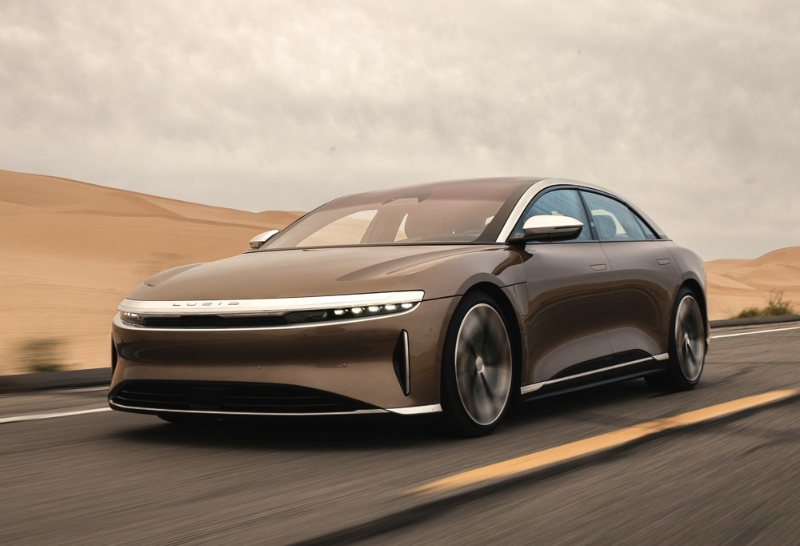
A fascinating counter-trend that emerged in 2025, and is likely to persist into 2026, is the increasing consumer appetite for “fully loaded” vehicles. Despite the overarching affordability concerns, automakers are reporting that high trim levels are now commanding their largest share of sales in five years. This phenomenon suggests that while budget remains a consideration, there’s a segment of the market willing to invest more for premium features, advanced technology, and enhanced comfort. This strategic pivot by manufacturers, leaning into higher-margin, well-equipped models, could be a key factor in their profitability amidst broader market pressures. For consumers, this means that the decision isn’t just about new car prices, but also about perceived value and the long-term benefits of advanced features.
The Data Behind the Trends: A Deeper Dive
The data from sources like Cars.com, which excludes ultra-luxury brands and focuses on vehicles listed by dealerships, provides invaluable insights into these market shifts. The consistency in new car pricing, averaging just over $49,000 for the third year, highlights the industry’s ability to manage production and absorb cost increases, even when facing inflationary pressures and tariff impacts. The surge in U.S.-built vehicles to 54% of new inventory is not just a statistic; it represents a tangible shift in manufacturing strategy, potentially leading to more localized supply chains and reduced lead times for certain models in key regions. For instance, if you’re in the market for a vehicle in Dallas, TX, or looking for new car deals in Chicago, IL, understanding these production shifts can inform your search.
The dramatic decline in the percentage of sedans within the used car inventory signals a fundamental reordering of the pre-owned market. This scarcity of a traditionally accessible segment directly influences used car values and makes finding a cost-effective sedan a more challenging endeavor. This is particularly relevant for individuals or families seeking a dependable, yet economical, vehicle for daily commutes or as a first car. The rise in used car depreciation rates for sedans may also be a factor to consider.
Looking Ahead: Opportunities and Challenges for 2026

As we move through 2026, the auto industry will continue to be defined by its ability to adapt to these interwoven trends. For consumers, this means approaching the car buying process with a clear understanding of market dynamics. Researching vehicle reliability, understanding the total cost of ownership, and exploring all available financing options will be paramount. For automotive professionals, the focus will be on strategic inventory management, innovative marketing to highlight the value proposition of higher trims, and adapting sales strategies to meet the evolving needs of a more discerning and cost-conscious buyer. The demand for electric vehicles (EVs), while a separate but related narrative, will also continue to play a crucial role in market evolution, with affordability and charging infrastructure remaining key discussion points. For those seeking information on specific models, terms like “best family SUVs 2026” or “reliable used sedans under $15,000” will remain highly relevant search queries.
The resilience demonstrated by the automotive sector in the face of significant global economic and geopolitical shifts over the past few years has been remarkable. The year 2026 promises to be a period where the lessons learned are applied, leading to a more sustainable, albeit dynamic, automotive future.
To make informed decisions in this evolving market, it’s essential to stay abreast of the latest data and expert analysis. We encourage you to explore resources that offer in-depth market insights and connect with trusted automotive professionals who can guide you through the complexities of your next vehicle purchase.