
Navigating the Evolving Automotive Landscape: Trends and Strategies for 2026 and Beyond
The automotive market in 2025 presented a picture of resilience, characterized by cautious optimism that has set the stage for a dynamic 2026. As an industry professional with ten years navigating the intricacies of automotive sales, production, and consumer behavior, I’ve observed a significant recalibration occurring. The seemingly stable surface of 2025, marked by modest sales growth and relatively consistent new-car pricing, masked deeper structural shifts that are now shaping the trajectory for the coming year and beyond. Understanding these automotive market durability trends is paramount for both consumers seeking their next vehicle and industry players strategizing for success.
For the third consecutive year, the average price of a new car hovered just above the $49,000 mark. While this figure might seem static, it conceals a complex interplay of production origins and consumer demand. A pivotal development in 2025 was the increased dominance of U.S.-built vehicles, which now constitute a substantial 54% of all new-vehicle inventory. This shift is not merely a statistical anomaly; it has tangible implications for pricing and availability.
The notion of the “tariff year” dominated automotive discourse throughout 2025, yet its actual market impact proved more nuanced than initially feared. While headlines might have suggested widespread price hikes, the average new-vehicle list price saw a modest increase of just $302 over the year. However, this aggregate figure belies significant variations based on a vehicle’s country of origin.
Crucially, U.S.-built vehicles, despite their increased market share, paradoxically became more accessible, registering an average price decrease of $308. This suggests that domestic production efficiencies and potentially altered supply chain dynamics are working in favor of American consumers. Mexican-built vehicles, forming the second-largest segment of the new-vehicle supply, experienced a minimal price increase of $95. In stark contrast, European imports, comprising less than 6% of available inventory, saw their prices surge by over $7,000. This dramatic divergence underscores a critical takeaway for consumers: the manufacturing location of a vehicle now carries more weight than ever before in determining its affordability. For automakers, 2025 served as a powerful catalyst, compelling a fundamental reevaluation and reshaping of their global automotive supply chain management. This is a critical consideration for anyone looking at new car prices by country of origin.
The used car market, often seen as a barometer for broader economic trends, experienced a significant transformation in 2025. The scarcity of sedans, coupes, and convertibles reached an all-time low, now representing less than 30% of the total used inventory. This is a dramatic decline from 41% in 2019, indicating a profound and lasting shift in consumer preference and, consequently, automotive production. This trend is particularly evident in the mainstream brand sector, which saw a staggering 44% less car inventory in 2025 compared to 2019.
The ripple effect of this sedan scarcity is evident in pricing. Used-car prices have climbed a remarkable 42% since 2019, outstripping the 35% rise in new-car prices during the same period. This inversion challenges traditional market entry points for budget-conscious buyers. The decline of the used sedan, once a cornerstone of affordability, means consumers are increasingly seeking alternative pathways into vehicle ownership. This dynamic is particularly relevant for those researching used car market trends and affordable used cars.
Looking ahead to 2026, cost pressures, largely exacerbated by persistent inventory challenges, will continue to be a dominant factor in shaping purchasing decisions. The specter of price inflation further intensifies this affordability crunch, making careful financial planning and strategic sourcing more critical than ever. For those considering vehicle financing options or used car depreciation trends, this environment demands heightened awareness.
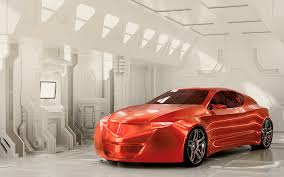
The limited supply of used vehicles has fundamentally reshaped retail operations and consumer behavior. Dealerships, having navigated years of acute vehicle shortages, have become adept at employing creative sourcing strategies. This includes accelerating vehicle turnover, acquiring higher-priced or higher-mileage inventory, and adapting their sales models. A notable expectation for 2026 is that vehicles with over 100,000 miles will constitute a larger proportion of available used inventory. This reflects the ongoing scarcity of more affordable, lower-mileage options. This trend is vital for understanding used car value guides and the overall cost of car ownership.
In essence, if 2024 was characterized by bracing for uncertainty in the automotive sector, and 2025 was about learning to operate within that uncertainty, then 2026 is unequivocally about recalibration. This involves redefining expectations, refining processes, and adapting strategies to meet the prevailing constraints of affordability and availability. For businesses, this translates to a heightened focus on dealership inventory management software, automotive market analysis, and developing robust customer relationship management strategies to retain and attract buyers in this evolving landscape.
The Rise of Fully Loaded Options and Shifting Consumer Preferences
A particularly interesting trend emerging from the 2025 data is the significant uptick in the popularity of fully loaded vehicles. The share of high-trim models within new vehicle inventory has reached its highest point in five years. This suggests that while consumers may be facing affordability pressures, they are increasingly opting for vehicles that offer a comprehensive suite of features and premium amenities. This could be a response to the desire to maximize value and longevity in their purchases, or it might indicate a segment of the market less sensitive to the overall price increases. The appeal of luxury SUV prices and premium car features remains strong, even within a more cautious market. This is also influencing new car leasing deals and car financing for premium vehicles.
Automakers have clearly taken note. The strategy of leaning into higher-spec, fully equipped models appears to be a deliberate response to changing consumer priorities. This approach allows manufacturers to potentially achieve higher profit margins per unit, even if overall sales volume growth is modest. For consumers, this means that when shopping for a new vehicle, the concept of a “base model” is becoming increasingly rare, and the distinction between mainstream and premium offerings is blurring. This phenomenon has direct implications for the average new car price discussions.
The data also reveals that despite these pricing and inventory shifts, consumers ultimately purchased more vehicles in 2025 compared to previous years. However, this increase in sales volume was accompanied by a slight elongation of inventory turnover. On average, new vehicles sat on dealer lots three days longer in 2025. While this might seem negligible, it indicates a subtle yet important shift in buyer behavior. Consumers are taking a little more time to make decisions, perhaps due diligence in a market where options, while plentiful in some segments, are more costly or less readily available in others. This extended dealership stay is crucial for car dealership sales strategies and automotive marketing campaigns.
Geographic Variations and Local Market Dynamics
While national trends provide a valuable overview, it’s crucial to acknowledge that the automotive market is not monolithic. Local economic conditions, regional preferences, and even specific dealership inventories can create significant variations. For instance, in regions with a strong manufacturing base or a higher propensity for specific vehicle types, the impact of national trends might be amplified or attenuated.
For consumers in areas like Los Angeles new car dealers or Chicago used car sales, understanding these localized dynamics is key. For example, the surge in European import prices might disproportionately affect coastal cities with a historical preference for European luxury brands. Conversely, regions with a strong domestic manufacturing presence might see the affordability benefits of U.S.-made cars more pronounced.
Similarly, the scarcity of sedans in the used market might be more keenly felt in urban environments where smaller, more fuel-efficient vehicles have traditionally been popular. This could lead to increased demand for compact SUVs or crossovers in these areas, impacting used SUV prices in [City Name] or sedan availability in [Another City Name].
Furthermore, the rise of the “fully loaded” trend might manifest differently across various price points. In more affluent areas, this might translate to a greater demand for top-tier luxury trims, while in mid-market regions, it could mean consumers opting for mid-level trims with enhanced feature packages as a compromise between cost and desirability. Researching new car deals in [State Name] or used car pricing in [Region Name] can provide valuable local insights.
Technological Advancements and the Future of Mobility
Beyond the immediate economic and supply chain considerations, the automotive industry is also being profoundly shaped by rapid technological advancements. While not explicitly detailed in the 2025 market data, the ongoing evolution of electric vehicles (EVs), advancements in autonomous driving technology, and the increasing integration of connectivity features are critical factors that will continue to influence consumer choices and manufacturer strategies in 2026 and beyond.
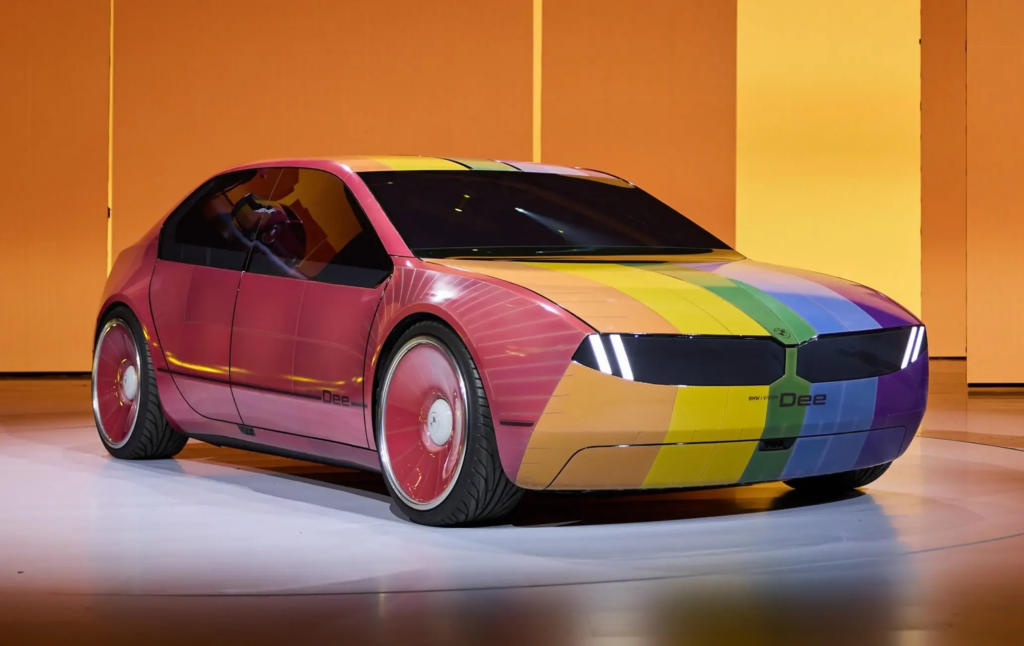
The increasing efficiency and decreasing cost of EV battery technology, coupled with expanding charging infrastructure, are making electric mobility a more viable option for a broader segment of the population. This is particularly relevant for those considering electric car tax credits or used EV market analysis. As more automakers commit to electrification, the availability of new electric vehicle models will continue to grow, presenting consumers with a wider array of choices.
The development of semi-autonomous and fully autonomous driving systems, while still in its nascent stages for widespread consumer adoption, promises to revolutionize the driving experience. Features like advanced driver-assistance systems (ADAS) are increasingly becoming standard or optional on new vehicles, enhancing safety and convenience. This is a key consideration for those researching vehicle safety ratings and automotive technology trends.
Connectivity is another transformative element. Vehicles are becoming more integrated with our digital lives, offering advanced infotainment systems, over-the-air software updates, and seamless smartphone integration. These features are increasingly becoming a deciding factor for consumers, influencing new car technology packages and the overall appeal of a vehicle.
Strategies for Consumers in a Shifting Market
For consumers navigating the complexities of the 2026 automotive market, a strategic and informed approach is essential.
Embrace Research: Thoroughly research vehicle models, features, pricing, and financing options. Leverage online resources, car comparison tools, and dealership websites to gather comprehensive information.
Prioritize Needs vs. Wants: Clearly define your essential requirements for a vehicle versus desirable but non-essential features. This will help you make informed trade-offs, especially in a market where higher trims are increasingly common.
Explore All Financing Avenues: Investigate various car loan options, leasing agreements, and manufacturer incentives. Don’t hesitate to explore financing through credit unions or banks in addition to dealership financing.
Consider the Total Cost of Ownership: Look beyond the initial purchase price. Factor in insurance costs, fuel efficiency, maintenance, and potential depreciation when evaluating vehicles. For those considering EVs, researching charging costs and battery warranty information is crucial.
Be Patient and Flexible: The automotive market can be unpredictable. Be prepared to be patient in your search and remain flexible with your preferences if it means securing a better deal or finding a vehicle that truly meets your needs.
Strategies for Industry Stakeholders
For automakers, dealerships, and related service providers, adapting to these evolving market dynamics is critical for sustained success.
Agile Supply Chain Management: Continue to diversify sourcing and build resilience into supply chains to mitigate the impact of geopolitical events and trade policies. Understanding automotive import/export data remains vital.
Data-Driven Inventory Planning: Utilize advanced analytics to forecast demand, manage inventory levels effectively, and optimize vehicle mix to meet consumer preferences for both new and used vehicles. This includes investing in dealership inventory management software.
Customer-Centric Sales and Marketing: Focus on building strong customer relationships through personalized experiences, transparent communication, and valuable post-sale support. Leveraging automotive CRM systems is no longer optional.
Innovation in Affordability Solutions: Explore new models for vehicle access, such as flexible leasing options, subscription services, or partnerships that offer bundled services, to address the affordability challenges faced by a broad spectrum of consumers.
Embrace Digital Transformation: Enhance online sales channels, invest in virtual showroom experiences, and leverage digital marketing to reach a wider audience and streamline the customer journey.
The automotive market in 2026 is not about navigating a crisis, but about embracing an evolution. The resilience shown in 2025, coupled with the ongoing technological advancements and shifting consumer priorities, presents both challenges and significant opportunities. By understanding these core trends and adapting strategies accordingly, both consumers and industry players can successfully navigate this dynamic landscape and pave the way for a prosperous future in automotive.
Ready to navigate these evolving automotive trends? Contact us today for personalized insights and expert guidance on finding your next vehicle or optimizing your automotive business strategy for the future.