
Mastering Subzero: Your Expert Guide to Electric Vehicle Performance in Extreme Cold
The electric vehicle revolution has undeniably transformed the automotive landscape. As we navigate the ever-evolving world of battery-powered mobility, a significant, yet often misunderstood, challenge emerges: extreme cold. For over a decade, I’ve been immersed in the practical realities of EV ownership, from pioneering early models to testing the latest advancements. While the allure of silent, emission-free driving is powerful, the public perception of EVs struggling in subzero temperatures is a persistent concern. It’s a valid concern, rooted in the fundamental physics of battery technology. However, this perception doesn’t equate to an insurmountable barrier. With a nuanced understanding of EV cold weather performance and proactive strategies, you can not only survive but thrive, even when the mercury plummets.
This isn’t about theoretical musings; it’s about real-world experience. My journey in the EV space, dating back to 2011 with my personal Nissan Leaf, has provided invaluable insights. This has been further amplified through extensive testing of long-term fleet vehicles, including the capable 2021 Tesla Model Y, the versatile 2023 Jeep Grand Cherokee 4xe, and the spacious 2024 Kia EV9. Through countless miles and varying climates, I’ve witnessed firsthand how environmental factors impact electric car range and efficiency. This article distills that hard-won knowledge into actionable advice, designed to demystify cold weather EV driving and empower you to conquer winter’s chill. Forget range anxiety; embrace confident, prepared EV operation, even in the most frigid conditions.
The Science of Cold: Why Your EV Battery Feels the Chill
At its core, the impact of subzero temperatures on an electric vehicle hinges on its lithium-ion battery. These remarkable powerhouses, while incredibly efficient, are sensitive to temperature fluctuations. Think of it this way: the chemical reactions that enable energy storage and release within the battery pack are optimized for a moderate temperature range. When temperatures drop significantly below freezing (32°F or 0°C), the viscosity of the electrolyte within the battery increases, making it harder for ions to move freely. This impeded ion flow directly translates to reduced power output and slower charging speeds.
Consequently, two primary effects become apparent: reduced EV range in cold weather and a noticeable decline in charging speed. The vehicle’s onboard systems also work harder. For instance, the battery management system (BMS) may expend energy to actively warm the battery pack to its optimal operating temperature, further consuming precious stored energy. Similarly, cabin heating, while essential for comfort, draws significant power from the main battery. This dual demand – powering the drivetrain and maintaining internal warmth – is the primary driver behind the observed range reduction. Understanding this fundamental principle is the first step toward mitigating its effects and optimizing your EV battery cold weather performance.
Preconditioning: The Unsung Hero of Winter EV Operation
If there’s one single tactic that can dramatically improve your electric car winter range, it’s preconditioning. This isn’t a mere suggestion; it’s a foundational strategy for maximizing your vehicle’s efficiency and comfort when facing subzero conditions.
For Home Charging Enthusiasts: The most effective way to precondition is to do so while your EV is still plugged into your home charger. This allows the vehicle to draw power directly from the grid to warm the cabin, defrost the windows, and, crucially, bring the battery pack up to its optimal operating temperature. By completing these tasks before you unplug, you ensure that the energy used for climate control and battery management comes from an external source, not your vehicle’s stored energy. This directly translates to more miles available for driving, directly addressing how to maximize EV range in winter.
For the DC Fast Charging Network User: If your charging routine involves public DC fast chargers, preconditioning your battery en route to the charger is equally vital. Many modern EVs offer a feature that allows you to set a destination in your navigation system, and the car will automatically initiate battery warming as you approach the charging station. This ensures that when you plug in, the battery is at the ideal temperature for rapid charging, minimizing downtime and frustration. This is particularly important when you’re on the go and need to reliably access fast EV charging in cold weather.
The Power of Staying Plugged In: Even if your EV indicates it has reached 100% charge, keeping it plugged in when ambient temperatures are extremely low can be beneficial. Many vehicles can utilize grid power to maintain their battery’s optimal temperature, preventing a significant drop in charge or performance. This proactive approach helps preserve the battery’s health and readiness for your next journey, ensuring consistent EV performance in freezing temperatures.
Rethinking Your Charging Routine for Subzero Success
Beyond preconditioning, adjusting your charging habits is paramount for maintaining a healthy energy reserve during winter months. This involves a shift in mindset and a bit of forward planning.
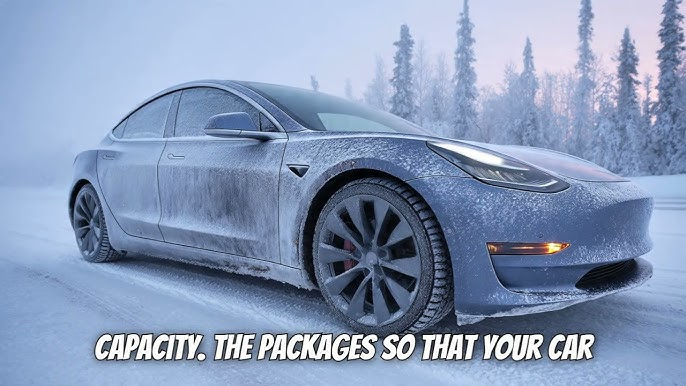
Embrace the Full Charge: While many EV owners practice charging to 80% for daily use to prolong battery lifespan, this recommendation often changes in extreme cold. To compensate for the increased energy demands of cabin heating and battery conditioning, charging to 100% becomes a strategic advantage. This maximizes your available range, mitigating the impact of EV range loss due to cold. Remember, the energy consumed by the car’s internal systems during cold weather is significant, and starting with a full battery provides a crucial buffer.
Proactive Charging Plans: Cold weather can significantly impact the availability and functionality of public charging stations. Therefore, developing a robust charging plan before severe weather hits is essential. Identify reliable charging locations along your frequent routes and have backup options readily available. This foresight is critical to avoid what I call “range purgatory” – the stressful situation of running out of charge while searching for a functional charger. This is especially important when considering EV charging in remote areas during winter.
The Garage Advantage: If you have access to a garage, utilize it for parking and charging whenever possible. Even an unheated garage offers a significant temperature buffer compared to outdoor environments. The warmer, more stable temperatures within a garage can prevent charging speeds from plummeting and help preserve the stored charge for longer periods. This simple act can contribute to more consistent and reliable EV charging in frigid conditions.
Patience is a Virtue at the Charger: Be prepared for longer charging times when the temperatures are low. As mentioned earlier, the cold battery chemistry slows down the charging process. Understanding and accepting this reality will prevent frustration. Plan your charging stops accordingly, perhaps coinciding them with meals or other activities, and embrace the slightly extended wait. This is a small trade-off for the benefits of EV ownership, even when facing long EV charging times in winter.
Navigating the Road: Cold-Weather Driving Habits for EVs
The way you drive your EV in winter can have a surprisingly significant impact on your range and, more importantly, your safety. Adapting your driving style can transform a potentially challenging experience into a smooth and controlled journey.
The Nuances of Regenerative Braking: Regenerative braking, a cornerstone of EV efficiency, can be a double-edged sword in slippery conditions. While it effectively recaptures energy, its sudden deceleration effect when you lift off the accelerator can be unsettling on ice or snow, potentially leading to a loss of traction. I strongly recommend dialing back regenerative braking or disabling one-pedal driving altogether during winter. This allows for a more controlled coasting phase before applying the friction brakes, giving you more predictable control and mitigating the risk of an “ice slide” moment. This is a crucial tip for safe EV driving in winter.
Leveraging Winter Modes: Many EVs are equipped with dedicated Snow, Winter, or Eco modes. Activating these modes is akin to giving your car a tailored set of winter clothes. These modes typically adjust throttle response to deliver power more smoothly, reducing the likelihood of wheel spin and improving traction on low-grip surfaces. Furthermore, Eco modes are specifically designed to conserve energy, which, in cold weather, translates directly to extended range. For those seeking efficient EV driving in cold weather, utilizing these built-in features is a no-brainer.
Realistic Range Expectations: While newer EV models are becoming increasingly adept at managing cold-weather range impacts, they are not entirely immune. Extreme temperatures will inevitably lead to a reduction in your vehicle’s displayed range. It’s crucial to temper your expectations and avoid relying solely on in-car navigation or third-party app trip estimates for accuracy. Always err on the side of caution and plan for a greater buffer than you might typically need, especially when planning longer journeys or if you’re exploring EV road trips in winter.
Strategic Use of Climate Controls: The full-blown cabin heating system is a significant energy consumer. While comfort is important, consider a more energy-efficient approach. Utilize seat heaters and heated steering wheels whenever possible. These systems provide targeted warmth and consume considerably less energy than heating the entire cabin volume. In situations where range is critical, this can be the difference between reaching your destination or needing to find a charging stop sooner than anticipated. This is a practical tip for saving EV battery in cold.
The Ultimate Winter Strategy: Stay Home if Possible: During periods of extreme weather, the safest and most energy-efficient option is often to simply stay home. If your journey isn’t essential, delaying it until conditions improve can prevent unnecessary stress and potential hazards. However, if you must travel, remember that others are likely facing similar challenges. A dose of patience and understanding at public charging stations can go a long way in ensuring a smoother experience for everyone navigating the complexities of electric vehicle charging in extreme cold.
Embracing the Future of Cold-Weather EV Mobility
The narrative surrounding electric vehicles and cold weather is evolving. What was once perceived as a significant hurdle is increasingly being overcome through technological advancements and informed driver behavior. From smarter battery management systems to more efficient thermal regulation, manufacturers are continuously pushing the boundaries of all-weather EV performance.
As an industry expert with years of hands-on experience, I can confidently state that the challenges of subzero temperatures are manageable. By understanding the science behind cold weather EV battery performance, adopting smart charging strategies, and adapting your driving habits, you can ensure your electric vehicle remains a reliable and enjoyable mode of transportation, regardless of the season. The key lies in preparation, a proactive approach, and a willingness to embrace the unique characteristics of EV technology.
Are you ready to conquer the cold with your electric vehicle? Explore our comprehensive resources, connect with fellow EV owners in your region, and take the next step towards confident, winter-ready EV driving.