
Navigating the Freeze: Essential Strategies for Electric Vehicle Owners in Subzero Conditions
The advent of winter, with its biting winds and plummeting temperatures, presents a unique set of challenges for any vehicle. For electric vehicle (EV) owners, however, the subzero landscape can feel particularly daunting. The public narrative, often fueled by early adoption teething problems, has frequently painted EVs as fragile in the face of extreme cold. Yet, as an industry professional with a decade navigating the evolving world of electric mobility, I can attest that this perception is, by and large, outdated. While it’s undeniable that cold weather impacts battery performance, with a strategic approach and a commitment to preparation, your EV can not only survive but thrive even in the harshest winter conditions.
My journey in this field began in 2011 with the Nissan Leaf, and since then, my team and I have put numerous all-electric and plug-in hybrid vehicles through their paces in our long-term testing fleet. This includes extensive real-world experience with models like the 2021 Tesla Model Y, the 2023 Jeep Grand Cherokee 4xe, and the 2024 Kia EV9. This hands-on immersion has provided invaluable insights into the nuances of EV operation across a spectrum of environments, including the formidable winter months. This article aims to equip you with the knowledge and actionable strategies to banish range anxiety and ensure your EV experience remains seamless and stress-free when the mercury drops.
The Core Challenge: Battery Chemistry and Thermal Management
At the heart of the EV’s winter performance lies its lithium-ion battery pack. These sophisticated energy storage systems operate most efficiently within a specific temperature range, typically between 60-80 degrees Fahrenheit. When ambient temperatures dip significantly below this optimal window, a cascade of effects begins to impact the battery’s performance.
Reduced Ion Mobility: The electrolyte within the battery, which facilitates the movement of lithium ions between the cathode and anode, becomes more viscous at colder temperatures. This increased resistance slows down the rate at which ions can travel, directly impacting the battery’s ability to deliver and accept power. Think of it like trying to move through molasses versus water – the process is significantly slower and requires more effort.
Increased Internal Resistance: The physical components of the battery also experience changes. The internal resistance of the battery pack increases as it gets colder. This means more energy is lost as heat during charging and discharging cycles, which further diminishes available range and can lead to longer charging times.
Energy Demands of Cabin Heating: Unlike internal combustion engine (ICE) vehicles that leverage waste heat from the engine for cabin warmth, EVs must dedicate a portion of their battery energy to power the climate control system. This can significantly contribute to range reduction, especially when the cabin heating is set to high.
Understanding these fundamental principles is the first step in effectively managing your EV in cold weather. It’s not a fundamental flaw of the technology, but rather a characteristic of the chemistry that can be mitigated with intelligent use.
Strategic Preconditioning: The Unsung Hero of Cold-Weather EV Operation
The single most impactful strategy for mitigating winter range loss is preconditioning your electric vehicle. This process involves warming up both the battery pack and the cabin before you begin your journey.
Preconditioning While Plugged In: If you have access to a Level 2 home charger, the most efficient way to precondition is while the vehicle is still connected to the grid. Many EVs offer scheduled charging and preconditioning features through their mobile apps or infotainment systems. By setting your departure time, the vehicle can intelligently time its charging and cabin heating cycles. This allows the vehicle to draw power from the wall – not your precious battery – to bring the cabin to a comfortable temperature and, crucially, warm the battery to its optimal operating temperature. This ensures that when you unplug, the battery is ready to deliver maximum power and range, and the cabin is already cozy, minimizing the energy expenditure on initial heating.
Preconditioning for DC Fast Charging: When planning a long journey that requires DC fast charging, preconditioning the battery en route is equally vital. Many navigation systems in modern EVs allow you to input your destination, and the car will automatically begin warming the battery as you approach the charger. A warmed battery accepts charge much more rapidly. A cold battery, even at a high-speed charger, will charge at a significantly reduced rate, negating the benefit of the fast charger and potentially leading to longer-than-expected stops. This feature is often referred to as battery preconditioning for charging and is a critical component of efficient long-distance EV travel in winter.
Maintaining Optimal Battery Temperature: Even if your battery is fully charged, keeping your EV plugged in when parked in very cold temperatures can be beneficial. Some vehicles can utilize grid power to maintain a warmer battery temperature, preventing it from dropping to extreme lows. This helps to preserve battery health and ensures quicker charging when you next need it.
Rethinking Your Charging Routine: Maximizing Your Energy Reserves
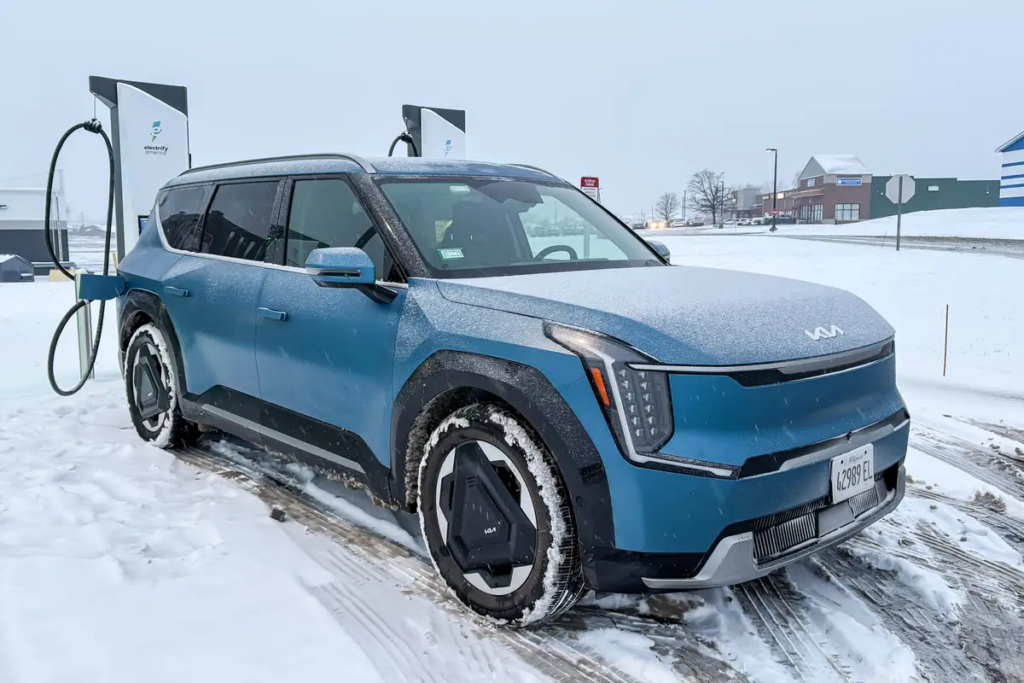
Beyond preconditioning, adjusting your everyday charging habits can significantly bolster your EV’s resilience in winter.
Charge to 100% in Cold Weather: While it’s often recommended to charge to 80% for daily use to preserve battery longevity, this guideline should be re-evaluated during extreme cold. The energy required to maintain optimal battery temperature and power the cabin heating system can lead to a more substantial range reduction than typically observed in milder weather. Therefore, charging to 100% before a cold snap or during periods of subzero temperatures becomes a practical necessity to maximize your available driving range. This ensures you have the fullest possible buffer against unexpected energy drains.
Proactive Charging Planning: Before venturing out into potentially harsh winter conditions, it’s prudent to develop a robust charging plan. Identify reliable charging stations along your intended route using your vehicle’s navigation system or third-party apps. Crucially, have backup charging solutions in mind. Public charging infrastructure can experience higher demand during peak winter travel, and unforeseen outages can occur. Having a couple of alternative charging locations identified can prevent significant range anxiety and ensure you can top up when needed.
Leveraging Garage Parking: Whenever possible, parking and charging your EV in a garage offers a significant advantage. Even an unheated garage typically maintains temperatures several degrees warmer than the outside air. This moderating effect can lead to slower battery temperature degradation and, consequently, faster charging speeds and better energy retention.
Embracing Extended Charge Times: As mentioned earlier, colder batteries charge more slowly. It’s essential to factor this into your schedule. Be patient and allow adequate time for charging, especially if you’re relying on public charging infrastructure. Understanding and accepting these extended charge times will prevent frustration and ensure you’re not rushed.
Adapting Your Driving Style: Navigating with Confidence and Efficiency
Your driving habits play a crucial role in how effectively your EV performs in subzero temperatures. By making a few conscious adjustments, you can enhance both safety and range.
Dialing Back Regenerative Braking: Regenerative braking, a cornerstone of EV efficiency, recaptures energy when you lift off the accelerator. While beneficial in normal conditions, aggressive regenerative braking can act like a sudden brake application, potentially unsettling the vehicle on slippery surfaces. During icy or snowy conditions, it’s advisable to reduce the strength of regenerative braking or even disable one-pedal driving if your EV offers this option. This allows for a more gradual deceleration and better control, enabling you to use the friction brakes more predictably when necessary. This is a critical safety consideration to avoid unexpected skids or loss of traction.
Engaging Winter Driving Modes: Many modern EVs are equipped with dedicated Snow or Winter driving modes. These modes are specifically designed to optimize performance in low-traction conditions. They typically modulate throttle response to reduce instantaneous torque and prevent wheel spin, providing a smoother and more controlled acceleration. Furthermore, modes like “Eco” or “Chill” (as found in Tesla vehicles) can help conserve energy by limiting acceleration and top speed, indirectly extending your range.
Anticipating Reduced Range Estimates: While modern EVs are continually improving their cold-weather performance, it’s a reality that range will be reduced in subzero temperatures. Relying solely on the vehicle’s in-car navigation or third-party app trip estimates can be risky. It’s always best to add a conservative buffer to these estimates and plan your charging stops accordingly. Being prepared for a slightly shorter range than advertised is a key aspect of winter EV ownership.
Prioritizing Seat and Steering Wheel Heaters: When faced with a chilly cabin, consider utilizing your EV’s seat heaters and heated steering wheel. These systems generally consume significantly less energy than the full cabin climate control system. By efficiently warming yourself directly, you can often achieve a comfortable temperature with less reliance on the main HVAC, thereby conserving precious battery energy and extending your range.
The Ultimate Strategy: Staying Home When Possible: During periods of extreme weather and hazardous road conditions, the most effective way to ensure your safety and avoid EV-related complications is to stay home if your travel is not essential. If you must venture out, remember that other drivers are likely facing similar challenges. Patience and courtesy at charging stations or on the road can make a significant difference to everyone’s experience.
Beyond the Basics: Advanced Considerations for the Discerning EV Owner
As the EV landscape continues to evolve, so too do the technologies and strategies available to owners. For those seeking to optimize their cold-weather experience even further, consider these advanced tips:
Tire Choice Matters: Equipping your EV with dedicated winter tires is paramount. These tires are designed with specific rubber compounds and tread patterns that provide superior grip on snow, ice, and cold pavement. This not only enhances safety but also improves the efficiency of your vehicle by reducing rolling resistance compared to all-season tires in freezing conditions.
Battery Preconditioning and Charging Speed Research: For specific EV models, it’s worth researching the manufacturer’s recommendations regarding optimal battery temperatures for charging and driving. Some advanced thermal management systems may require specific preconditioning durations or conditions for peak performance.
Understanding State of Charge (SoC) Impact: Battery performance can also be subtly influenced by its State of Charge, even when preconditioned. While charging to 100% is generally advised for maximizing range in the cold, some manufacturers might suggest slightly different optimal SoC ranges for peak performance during very extreme conditions. Consulting your owner’s manual or manufacturer resources can provide model-specific insights.
Utilizing Smart Home Energy Management: For homeowners with integrated smart home systems, explore how your EV charging can be synchronized with your home’s energy consumption. This can help optimize charging times for off-peak electricity rates and ensure your home’s energy needs are met without compromising your EV’s readiness.
The concerns surrounding EV performance in subzero temperatures are understandable, stemming from the early days of electric vehicle technology. However, the industry has made tremendous strides. With a proactive approach to preconditioning, a thoughtful adjustment to your charging habits, and an awareness of how to adapt your driving style, you can confidently navigate the winter months. Owning an EV in cold climates is not only feasible but can be a rewarding and efficient experience.
Don’t let the mercury’s drop dictate your travel plans. By embracing these expert-backed strategies, you can ensure your electric vehicle is always ready to power your journey, no matter how frigid the conditions. Explore our comprehensive guides and connect with EV charging solutions providers in your area to discover the best options for staying charged and confident this winter.