
The Ultimate Driving Machine on a Budget: Your Definitive Guide to Buying a Used BMW 2 Series
For a decade, BMW has offered enthusiasts a compelling entry point into its performance-oriented lineup with the BMW 2 Series. Since its debut in 2014, replacing the beloved 1 Series Coupe and Convertible, the 2 Series has embodied the brand’s “Ultimate Driving Machine” ethos in a more accessible package. This compact luxury sports car has consistently delivered a rear-wheel-drive bias and, crucially, the availability of a manual transmission, setting it apart in a segment often dominated by front-wheel-drive rivals like the Audi A3 and Mercedes-Benz CLA. For those craving even more serious performance, the M2 variant has consistently offered a concentrated dose of M Division engineering, albeit with a price tag to match.
As a seasoned automotive professional with a decade immersed in the industry, I’ve witnessed firsthand the evolution of the BMW 2 Series. My insights are drawn from countless test drives, in-depth market analysis, and discussions with owners and technicians alike. This guide aims to demystify the process of acquiring a pre-owned BMW 2 Series, focusing on key considerations like cost, reliability, and, most importantly, identifying the best model years to maximize your investment and driving pleasure. Whether you’re a first-time BMW buyer or a seasoned enthusiast looking for a capable daily driver or weekend track weapon, understanding the nuances of each generation is paramount.
Navigating the BMW 2 Series Landscape: Generations and Key Differences
The BMW 2 Series isn’t a monolith; it’s evolved significantly over its lifespan. To make an informed decision, it’s crucial to distinguish between its two distinct generations and the diverging paths taken by its coupe and Gran Coupe variants.
The First Generation (2014-2021): The Pure Driving Enthusiast’s Choice
Born as a successor to the popular 1 Series Coupe and Convertible, the first-generation BMW 2 Series arrived in 2014 with a clear mandate: deliver engaging driving dynamics in a compact, premium sports car. This generation embraced rear-wheel drive as standard, a hallmark of BMW’s performance heritage. The model lineup initially featured the 228i and the more potent M235i, both available with either a smooth-shifting eight-speed automatic or, for the purists, a satisfying six-speed manual transmission.
The 228i was powered by a spirited 2.0-liter turbocharged inline-four engine, producing a healthy 240 horsepower. Stepping up to the M235i rewarded buyers with a robust 3.0-liter turbocharged inline-six, delivering 320 horsepower. These early models offered a direct, communicative steering feel and a well-balanced chassis, making them a joy on winding roads.
In 2015, the convertible body style joined the coupe, offering open-air driving pleasure without significantly compromising the car’s dynamic capabilities. This year also marked the introduction of BMW’s xDrive all-wheel-drive system as an option, providing added traction and stability, particularly in inclement weather.
The first generation received a significant refresh for the 2017 model year. This update brought more potent engines, with the 2.0-liter four-cylinder now producing 248 horsepower in the 230i, and the 3.0-liter inline-six in the M240i climbing to 335 horsepower. This refresh also saw the introduction of a wider array of available packages, including the M Sport Package for enhanced aesthetics and handling, and a Driver Assistance Package for added safety. Notably, 2017 was also the year Apple CarPlay integration became available, a significant convenience for many drivers.
From 2018 to 2020, the first-generation 2 Series underwent only minor enhancements, primarily involving the addition of standard safety features in 2019 and expanded paint and upholstery options in 2020. The final model year of this generation, 2021, saw Apple CarPlay become standard across all trims, and the discontinuation of some less popular options.
Crucially, the end of the first generation also heralded the arrival of a vastly different vehicle bearing the 2 Series name: the BMW 2 Series Gran Coupe. Introduced in 2020, this four-door sedan shared little with its coupe and convertible siblings beyond its badge and a premium aspirations. Based on a front-wheel-drive platform shared with other BMW models, the Gran Coupe offered increased practicality but a distinctly different driving character, leaning more towards comfortable cruising than sharp, sporty handling. It was available in 228i and M235i variants, powered by 2.0-liter turbo-four engines producing 228 and 301 horsepower, respectively.
The Second Generation (2022-Present): Evolution with a Focus on Refinement
The second-generation BMW 2 Series Coupe arrived for the 2022 model year, building upon the foundation of its predecessor. This new iteration grew slightly in size and weight, and with the industry’s trend towards consolidating convertible offerings, it unfortunately shed the convertible body style. However, it doubled down on its performance credentials with a more muscular exterior design, featuring flared fenders and a distinctive, squared-off grille.
The powertrain options also saw significant upgrades. The base 230i model featured an enhanced 2.0-liter turbocharged inline-four engine delivering 255 horsepower. The potent M240i xDrive Coupe boasted a formidable 3.0-liter turbocharged inline-six that produced a robust 382 horsepower. At launch, the 230i was exclusively rear-wheel drive, while the M240i came standard with BMW’s xDrive all-wheel-drive system. Both were paired exclusively with an eight-speed automatic transmission, marking the departure of the manual option for the standard 2 Series Coupe.
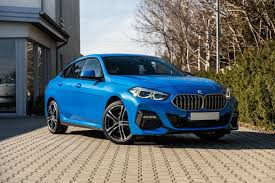
Standard features on the 230i Coupe were generous, including 18-inch alloy wheels, LED headlights, leatherette sport seats, tri-zone climate control, and an 8.8-inch infotainment screen with wireless Apple CarPlay and Android Auto. The M240i xDrive added 19-inch wheels, M Sport brakes, keyless entry, and leather seating. A wealth of optional features were available, including BMW’s Live Cockpit Pro, a head-up display, heated seats, adaptive cruise control, and even a 360-degree camera system.
The high-performance M2 model returned to the lineup a year into the second generation, delivering a staggering 453 horsepower from its 3.0-liter twin-turbo inline-six. In a welcome nod to driving enthusiasts, the M2 was offered exclusively with rear-wheel drive and a choice between a six-speed manual or an eight-speed automatic transmission.
In 2023, the 2 Series Coupe saw the integration of the BMW Curved Display, a sleek, contiguous screen combining a 12.3-inch digital instrument cluster and a 10.25-inch infotainment display. The model lineup also expanded, offering xDrive all-wheel drive on the 230i and rear-wheel drive on the M240i.
The 2024 model year was largely a carryover, but the 2025 BMW 2 Series Coupe received noteworthy updates, including revised interior and exterior styling, the latest BMW iDrive 8.5 operating system with QuickSelect, and new paint and interior trim options.
Throughout this period, the 2 Series Gran Coupe continued its own evolutionary path, remaining in its first generation with only minor tweaks until a significant redesign and technology refresh for the 2025 model year. It’s crucial to remember that the Gran Coupe’s driving dynamics and platform are entirely distinct from the 2 Series Coupe and Convertible.
Identifying the Best BMW 2 Series Years to Buy: A Deep Dive into Reliability and Value
When navigating the used car market, reliability and long-term value are paramount. Based on extensive data from sources like Consumer Reports and industry analyses, certain model years of the BMW 2 Series stand out, while others warrant a more cautious approach.
Top Picks: Years with Above-Average Reliability and Strong Value
2020 BMW 2 Series: This model year represents the culmination of the first generation’s development. By 2020, BMW had ironed out most of the early kinks, and the available powertrains and technology were well-established. Consumer Reports often ranks this year highly for reliability. Used 2020 models offer a compelling blend of performance and premium features at a significantly reduced price from their original MSRP, often fetching around half of what they cost new. This makes them an excellent value proposition for a spirited, reliable German coupe or convertible.
2021 BMW 2 Series: As the final model year of the first generation, the 2021 BMW 2 Series is another exceptional choice. It benefits from the refinements made in previous years, including standard Apple CarPlay across the board and a well-sorted mechanical package. Many 2021 models will also have lower mileage and a more complete service history, further enhancing their appeal. Expect to find similar pricing to the 2020 models, offering a fantastic entry point into BMW ownership.
2024 BMW 2 Series: While still relatively new, the 2024 BMW 2 Series Coupe is already showing strong signs of reliability. The second generation has had a couple of years to mature, and early reports indicate solid performance and build quality. While savings off the original MSRP might be less pronounced compared to older models, you’re getting a more modern vehicle with advanced technology and potentially a longer remaining factory warranty. For those seeking the latest in BMW engineering without the brand-new price tag, a 2024 model is a smart consideration.
2025 BMW 2 Series: The latest iteration of the 2 Series Coupe, the 2025 model, introduces updated styling and technology. While long-term reliability data is still emerging, BMW’s track record with refined platforms suggests it will be a strong contender. Early adopters might find slightly more negotiable pricing as the market adjusts, and the benefit of the most current features and design is undeniable.
Years to Approach with Caution: Potential for Higher Maintenance Costs
2014-2015 BMW 2 Series: As the inaugural model years, these cars are more prone to early-stage issues. While the core mechanicals are generally sound, early adopters often encounter more unexpected problems as manufacturers work out production bugs. Specific concerns around engine issues have been noted for these early years, potentially leading to higher repair bills.
2017 BMW 2 Series: While the 2017 refresh brought updated engines and technology, it also introduced some complexity. Reports suggest that some of the updated powertrains and electronic systems could be less reliable or more prone to glitches in these initial years. If considering a 2017 model, a thorough pre-purchase inspection is especially crucial.
2018-2019 BMW 2 Series: While generally more reliable than the earlier years, these models can still present some issues. It’s worth noting that as these vehicles age, certain components, like suspension bushings or electronic modules, may start to show wear, potentially leading to higher maintenance costs.
The BMW 2 Series Gran Coupe: A Separate Consideration
It’s vital to reiterate that the BMW 2 Series Gran Coupe operates on a different platform and has its own reliability track record. While the first generation (2020-Present) has seen improvements, particularly with the 2025 updates, it’s generally considered a less driver-focused vehicle than the 2 Series Coupe. When researching used Gran Coupe models, focus on reviews and owner feedback specific to that model, as its issues might differ from those of the two-door 2 Series.
Key Considerations for Buying a Used BMW 2 Series
Beyond model year, several other factors are critical when purchasing a pre-owned BMW 2 Series:
Vehicle History Report (CarFax/AutoCheck): Absolutely essential. Look for a clean title, a history free of major accidents or flood damage, and a consistent maintenance record. This report can reveal a vehicle’s past and help you avoid hidden problems.
Pre-Purchase Inspection (PPI): Before finalizing any deal, invest in a thorough inspection by an independent BMW specialist or a trusted mechanic. They can identify potential issues that might not be obvious during a test drive, such as worn suspension components, aging seals, or impending electrical gremlins. This small investment can save you thousands in future repairs.
Mileage: While BMWs are built to last, higher mileage naturally means more wear and tear on components. Aim for a balance between price and mileage. For the first generation, models under 100,000 miles are generally preferable, while for the second generation, under 50,000 miles is a good target for a more pristine example.
Maintenance Records: A well-documented service history is a strong indicator of a meticulously maintained vehicle. Look for evidence of regular oil changes, fluid flushes, and timely replacement of wear items.
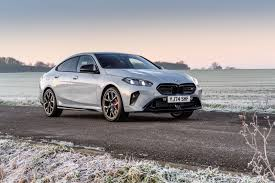
Trim Level and Options: Decide which features are essential for you. Higher trims like the M240i will offer more power and premium features but will also command a higher price. Consider if you need specific packages like the M Sport Package for enhanced aesthetics and handling, or a Driver Assistance Package for added safety.
Transmission Type: If a manual transmission is a priority, you’ll be limited to first-generation 2 Series Coupe and Convertible models, as well as the M2 variant of the second generation. Automatic transmissions in BMWs are generally reliable but can be costly to repair if issues arise.
Engine Performance: Understand the differences between the 2.0-liter turbocharged four-cylinder (found in 228i and 230i models) and the 3.0-liter turbocharged inline-six (found in M235i and M240i models). The inline-six offers significantly more power and a more intoxicating exhaust note, but it also comes with a higher purchase price and potentially higher running costs.
The BMW 2 Series: A Verdict on Value and Driving Engagement
The BMW 2 Series, in its coupe and convertible iterations, remains a compelling choice for those seeking a blend of sporty performance, premium build quality, and engaging driving dynamics. While the introduction of the front-wheel-drive Gran Coupe has diversified the 2 Series nameplate, the heart of what made this series so beloved lies in its rear-wheel-drive, driver-focused coupe and convertible variants.
When approaching the used market, prioritizing the well-sorted later years of the first generation (2020-2021) or the more refined second generation (2024-2025) will likely yield the most rewarding ownership experience. These model years generally offer a superior balance of reliability, modern features, and long-term value. While earlier models can be tempting due to their lower price points, the potential for increased maintenance costs warrants careful consideration and a robust pre-purchase inspection.
The allure of a BMW 2 Series lies not just in its badge, but in its ability to deliver an unadulterated driving experience without demanding an exorbitant outlay. By understanding the nuances of each generation, focusing on key reliability indicators, and conducting thorough due diligence, you can confidently acquire a used BMW 2 Series that will provide years of thrilling journeys and everyday usability.
Ready to experience the “Ultimate Driving Machine” for yourself? Now is the perfect time to explore the available BMW 2 Series models and schedule your test drive. Let your pursuit of driving pleasure begin today!