
The Ultimate Driving Machine, Reimagined: Your Definitive Guide to Buying a BMW 2 Series
For over a decade, the BMW 2 Series has carved a unique niche in the automotive landscape, offering a compelling blend of performance, premium appointments, and engaging driving dynamics. As an industry veteran with ten years immersed in the world of automotive sales and analysis, I’ve witnessed firsthand how the 2 Series has evolved, catering to a discerning driver who values an authentic connection to the road without necessarily demanding the outright extravagance of higher-tier luxury vehicles. This isn’t just another entry-level sedan; it’s a gateway to BMW’s celebrated “Ultimate Driving Machine” philosophy, a mantra that resonates deeply within this compact, yet potent, platform.
When the 2 Series first debuted in 2014, it masterfully succeeded the beloved 1 Series Coupe and Convertible. While the badge changed, the soul remained the same: rear-wheel-drive architecture, an optional manual transmission – a rare and cherished commodity even then – and a clear focus on driver involvement. It was a deliberate departure from the more comfort-oriented options from rivals like Audi and Mercedes-Benz. The M2 variant, in particular, served as a potent testament to BMW’s M division prowess, delivering track-ready performance at a more accessible price point, though still a significant investment for the enthusiast.
Fast forward to the present, and the landscape has shifted, yet the core appeal of the BMW 2 Series endures. The second generation, introduced for the 2022 model year, has refined the formula for the two-door coupe, embracing an even more aggressive stance and further amplifying its sporting credentials. Notably, the convertible option has been retired from the coupe lineup, a casualty of evolving market preferences and a broader industry trend toward prioritizing coupe and sedan variants.
However, BMW’s strategic expansion has introduced a distinct member to the 2 Series family: the BMW 2 Series Gran Coupe. It’s crucial to understand that, unlike its RWD-biased coupe sibling, the Gran Coupe shares its front-wheel-drive platform with other BMW models sold internationally and is fundamentally a different beast. Introduced for the 2021 model year, this four-door sedan offers increased practicality and a more accessible entry point into the 2 Series nomenclature, though it trades some of the purist’s driving dynamics for everyday usability. This distinction is paramount for any prospective buyer seeking to align their purchase with their specific driving desires.
This comprehensive guide will delve deep into the nuances of the BMW 2 Series, offering insights garnered from a decade of observing market trends, owner feedback, and the ever-evolving automotive technology. We’ll dissect cost considerations, explore reliability benchmarks, and pinpoint the years and specific models that represent the wisest investments for discerning buyers in today’s dynamic used car market.
Navigating the 2 Series Spectrum: Generations and Key Considerations
Understanding the lineage of the BMW 2 Series is the first step toward making an informed purchase. The platform can be broadly categorized into two distinct generations, each with its own set of characteristics, strengths, and potential pitfalls.
The First Generation: The Purist’s Prelude (2014-2021)
This era laid the foundation for the 2 Series’ reputation as a compact sports car. Initially launched as the 228i and the more potent M235i, these RWD coupes were celebrated for their balanced chassis and the availability of that coveted manual gearbox. The convertible variant followed shortly after, expanding the appeal.
Powertrain Excellence: Early models featured robust inline-four and inline-six turbocharged engines that delivered eager acceleration. The 2.0-liter four-cylinder offered a spirited introduction, while the 3.0-liter inline-six was the performance benchmark.
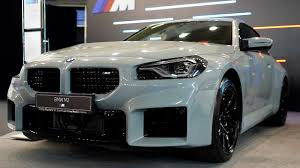
The M2’s Arrival: The introduction of the M2 coupe in 2016 was a watershed moment, bringing full M-division tuning to the compact segment. It was a raw, visceral machine, a true driver’s car that quickly became a modern classic.
Mid-Cycle Refresh: The 2017 model year brought a significant update. The 228i was renamed the 230i, and the M235i became the M240i, with power outputs seeing respectable increases. This refresh also saw the introduction of more advanced technology, including the availability of Apple CarPlay, a feature that became standard across the range by the end of the generation.
The Gran Coupe’s Divergence: As mentioned, the BMW 2 Series Gran Coupe emerged in 2020, but it’s crucial to reiterate its FWD architecture. While sharing the 2 Series name, its driving dynamics and platform are distinctly different from the RWD coupes and convertibles.
Reliability & Best Years (First Generation):
When scrutinizing the reliability of the first-generation BMW 2 Series coupe, Consumer Reports and J.D. Power data often point to the later years of this generation as being the most dependable. Specifically, the 2020 BMW 2 Series and 2021 BMW 2 Series models stand out. These later iterations benefited from the accumulated refinements of the platform and often came equipped with more comprehensive standard features, making them highly sought-after on the pre-owned market.
Conversely, early model years, particularly 2014 BMW 2 Series and 2015 BMW 2 Series, sometimes exhibited higher instances of electrical gremlins and powertrain issues. The 2017 BMW 2 Series could also present challenges, as the updated technology and powertrains were still being ironed out. While the M2 offered exhilarating performance, its specialized nature and higher-strung components can sometimes translate to more demanding maintenance requirements and potentially higher repair costs for owners unfamiliar with M-specific servicing.
The Second Generation: Evolution of the Coupe (2022-Present)
The current generation of the BMW 2 Series coupe represents a significant evolution. It’s larger, more muscular in its design, and crucially, exclusively rear-wheel-drive for the coupe variants, reinforcing its performance-oriented DNA.
Enhanced Performance: The base 230i now boasts a more potent 2.0-liter turbo-four, pushing out an impressive 255 horsepower. The M240i xDrive Coupe takes things to another level with its 3.0-liter turbo inline-six producing a formidable 382 horsepower.
Transmission Choices Limited: A significant shift for enthusiasts is the absence of a manual transmission in the standard 2 Series coupe models. The current generation exclusively utilizes an eight-speed automatic transmission. However, for the dedicated performance aficionado, the return of the BMW M2 for this generation brought back the six-speed manual option, alongside the eight-speed automatic, in a RWD-only configuration.
Technological Advancements: The interior has been thoroughly modernized, featuring larger infotainment screens and the integration of BMW’s latest iDrive operating system. The introduction of the BMW Curved Display, integrating the instrument cluster and infotainment into a single seamless unit, marked a significant interior upgrade.
Model Year Refinements: The 2024 BMW 2 Series saw some feature packaging updates, while the 2025 BMW 2 Series brings even more refined interior and exterior styling elements, alongside the latest iDrive 8.5 software for enhanced user experience. The availability of xDrive all-wheel drive has also been expanded across different trims in recent years.
Reliability & Best Years (Second Generation):
With its more recent introduction, long-term reliability data for the second-generation BMW 2 Series is still accumulating. However, early indicators are promising. The 2024 BMW 2 Series and 2025 BMW 2 Series models are likely to represent the pinnacle of this generation’s reliability due to their matured engineering and the implementation of the latest technological updates. BMW’s commitment to refining its powertrains and electronic systems means that newer models tend to iron out any initial kinks.
If you’re considering a used BMW 2 Series Gran Coupe, it’s important to note that this model has undergone significant redesign and tech updates for the 2025 model year. Earlier BMW 2 Series Gran Coupe models from 2021-2024, while offering a unique proposition, are distinct from the coupe in their driving dynamics and share fewer components with the RWD coupe. Researching specific year-to-year reviews for the Gran Coupe is advisable.
Cost of Ownership: Budgeting for Your BMW 2 Series
The allure of a BMW often comes with the perception of premium maintenance costs. While it’s true that servicing a BMW typically commands a higher price than a mainstream vehicle, the 2 Series, as an entry-level offering, is comparatively more budget-friendly to maintain than its larger siblings like the 3 Series or 5 Series.
Purchase Price: The BMW 2 Series price on the used market is highly variable, influenced by year, mileage, condition, trim level, and the presence of desirable options (like the M Sport package or premium audio systems). You can find first-generation models ranging from as low as $10,000 for higher-mileage examples to upwards of $30,000-$40,000 for pristine, low-mileage examples from the latter half of the generation, such as a 2020 BMW 228i or a 2021 BMW M240i. Second-generation coupes, being newer, will command a higher premium, with prices for a 2022 BMW 230i potentially starting in the mid-$20,000s and stretching into the $50,000-$60,000 range for well-equipped M240i models with low mileage.
Maintenance and Repairs: Routine maintenance, such as oil changes, brake jobs, and tire rotations, will align with premium vehicle costs. However, the 2 Series generally proves to be relatively reliable, which can mitigate unexpected repair bills. For critical components, seeking out a reputable independent BMW specialist can offer significant savings over dealership pricing. Investing in a pre-purchase inspection by a trusted mechanic is highly recommended for any used vehicle, especially a performance-oriented BMW.
Insurance: Expect insurance premiums for a BMW 2 Series to be higher than for a comparable non-luxury vehicle, particularly for M variants due to their performance capabilities. Obtaining insurance quotes early in your search is a prudent step in understanding the total cost of ownership.
Fuel Economy: While not its primary selling point, the 2 Series offers respectable fuel economy for its performance class. The four-cylinder models, like the BMW 230i or 228i, are the most efficient, often achieving combined MPG figures in the high 20s to low 30s. The inline-six engines, while more powerful, will naturally consume more fuel, typically averaging in the mid-to-high 20s combined.
Decoding BMW 2 Series Trims and Specifications
The BMW 2 Series has been offered in various trims, each catering to a slightly different buyer. Understanding these designations is crucial for finding the right balance of performance, luxury, and value.
228i / 230i: These represent the entry-level to mid-tier offerings, typically equipped with the turbocharged 2.0-liter four-cylinder engine. They provide a fantastic balance of spirited performance and daily drivability. The BMW 228i xDrive offers the added traction of all-wheel drive, beneficial in inclement weather. The transition from 228i to 230i often coincided with power bumps and feature enhancements.
M235i / M240i: These are the performance-oriented variants, powered by the legendary turbocharged 3.0-liter inline-six engine. The BMW M235i was the precursor to the M240i, and both deliver exhilarating acceleration and a more dynamic driving experience, often accompanied by sport-tuned suspension and braking components. The BMW M240i xDrive combines this potent engine with all-wheel drive for enhanced grip and stability.
M2: The halo model of the 2 Series range. The BMW M2 is a no-compromise performance machine, meticulously engineered by BMW M GmbH. It boasts bespoke M-tuned suspension, braking systems, and a significantly more powerful engine, often available with a manual transmission for the ultimate enthusiast connection. If raw track-bred performance in a compact package is your objective, the M2 is the ultimate expression of the 2 Series.
Gran Coupe (228i Gran Coupe / M235i Gran Coupe): As discussed, these four-door models are front-wheel-drive based and offer a more practical, sedan-like experience. They are distinct from the RWD coupes and are designed for buyers prioritizing accessibility and a sleeker silhouette over pure RWD driving purity.
What to Look For When Buying a Used BMW 2 Series
Beyond the general advice for any used car purchase, specific considerations apply when looking for a used BMW 2 Series.
Service History is Paramount: A meticulously maintained BMW is a happy BMW. Look for vehicles with a complete and well-documented service history, ideally from a BMW dealership or a trusted independent BMW specialist. This includes regular oil changes, fluid flushes, and timely replacements of wear-and-tear items.
Pre-Purchase Inspection (PPI): This is non-negotiable. Have a qualified technician thoroughly inspect the vehicle, paying close attention to the engine, transmission, suspension, brakes, and any electronic systems. They can identify potential issues that may not be apparent during a test drive.
Check for Recalls: Ensure any outstanding recalls have been addressed by the manufacturer.
Test Drive Extensively: Pay attention to how the car accelerates, brakes, shifts gears (both automatic and manual), and handles. Listen for any unusual noises or vibrations. Test all electronic features, from the infotainment system to the climate control.
Transmission Health: For automatic transmissions, ensure smooth shifts without hesitation or harshness. For manual transmissions, check for a clutch that engages smoothly and a gearbox that slots into gear with ease.
Cooling System: BMW cooling systems, particularly on the inline-six engines, can be prone to leaks if not maintained. Inspect hoses and the coolant reservoir for any signs of degradation or leakage.
Turbocharger Health: Listen for any whistling or whining sounds from the turbochargers that might indicate premature wear.
Suspension and Steering: Feel for any looseness in the steering or clunks from the suspension over bumps. Check for uneven tire wear, which can indicate alignment issues.
The Verdict: Is a BMW 2 Series the Right Choice for You?
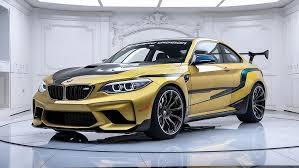
The BMW 2 Series continues to be a compelling proposition for those seeking a premium compact car that prioritizes the driving experience. Whether you gravitate towards the pure RWD dynamics of the coupe or the added practicality of the Gran Coupe, the 2 Series offers a gateway to the “Ultimate Driving Machine” ethos at a more attainable price point.
For the enthusiast seeking an engaging ride, the best years for a used BMW 2 Series are generally the later models of the first generation (2018-2021) and the current second generation (2022 onwards), with a keen eye for well-maintained examples. The M2 variants, while demanding a higher investment, offer an unparalleled performance experience. The BMW 2 Series Gran Coupe provides a stylish and accessible entry for those who need four doors and appreciate BMW’s refined interior and exterior design language.
When embarking on your BMW 2 Series purchase, remember that thorough research, a diligent inspection, and a clear understanding of your priorities will lead you to a rewarding ownership experience. The joy of driving a well-engineered German sports coupe or sedan is within reach.
Ready to experience the exhilarating drive of a BMW 2 Series for yourself? Begin your search today, explore pre-owned listings in your local area, and schedule a test drive to discover which model truly speaks to your driving passion. Your ultimate driving machine awaits.