
Decoding the Hyundai Tucson: A Decade of Evolution, Value, and Smart Buying in the Compact SUV Market
For over a decade, the Hyundai Tucson has carved out a significant niche in the fiercely competitive compact SUV segment, consistently offering compelling value, robust feature sets, and the peace of mind that comes with Hyundai’s industry-leading warranty. As an industry insider with ten years navigating the automotive landscape, I’ve witnessed the Tucson’s journey from a budget-conscious alternative to a sophisticated contender, capable of going toe-to-toe with established rivals. This comprehensive guide dives deep into the Hyundai Tucson’s cost, reliability, and the best years to buy, drawing on real-world data and expert insights to equip you for your next vehicle purchase.
Unpacking the Hyundai Tucson: More Than Just a Compact SUV
Introduced to the U.S. market in 2005, the original Hyundai Tucson was a response to a growing demand for smaller, more accessible SUVs. Based on the Elantra platform, it provided a more maneuverable alternative to its larger sibling, the Santa Fe. While it initially lagged behind some competitors in refinement, its core promise remained steadfast: delivering abundant features for the money. This ethos, coupled with Hyundai’s exceptional warranty coverage—a cornerstone of their customer-centric approach—quickly cemented the Tucson’s reputation as a smart buy.
Today, the landscape is vastly different. The Hyundai Tucson Hybrid and its Plug-in Hybrid (PHEV) counterparts represent the cutting edge of efficiency and technology, offering eco-conscious consumers powerful yet fuel-sipping options. Even the conventional gasoline models have evolved dramatically, offering sophisticated styling, advanced safety suites, and refined interiors that rival luxury brands. Understanding this evolution is key to identifying the best Hyundai Tucson years and models that align with your priorities, whether that’s maximizing fuel economy, prioritizing cutting-edge tech, or securing the most reliable used option.
Frequently Asked Questions: Navigating Your Tucson Decision
Before we delve into the generational breakdown, let’s address some common queries that buyers often have when considering a used Hyundai Tucson or a new model.
Which Hyundai Tucson Years Are the Best to Buy?
Without question, the fourth-generation Hyundai Tucson (2022-Present) stands out as the pinnacle of the model’s evolution. This generation showcases Hyundai’s remarkable design and engineering prowess, delivering a truly premium experience in a compact SUV package. Its advanced technology, comprehensive safety features, striking aesthetics, and improved performance make it an excellent choice for those seeking the latest and greatest. For those looking for a slightly more budget-friendly yet still highly competent option, the later models of the third generation (2019-2021) offer a sweet spot of refinement and feature availability, especially post-refresh.
Which Hyundai Tucson Years Should You Avoid?
The first-generation Hyundai Tucson (2005-2009), while historically significant, is generally the generation to approach with the most caution. As Hyundai’s inaugural compact crossover, it exhibited characteristics of a first-attempt product. The base engine struggled with power, and the interior, while functional, was dominated by less-than-premium hard plastics. Moreover, its safety feature list was rudimentary by today’s standards, which can be a significant drawback for safety-conscious families. While exceptionally affordable on the used market, the compromises in performance, refinement, and safety are substantial.
Is the Hyundai Tucson a Good Value Proposition?
The answer is a resounding yes, particularly for newer models and well-maintained examples from the third generation. The Hyundai Tucson’s cost-effectiveness has always been a significant selling point. You consistently get more features, better technology, and a more substantial warranty than many competitors at a similar price point. Even as the Tucson has matured and gained more premium appointments, it has managed to retain its reputation as a value leader in the compact SUV class. Exploring Hyundai Tucson deals on newer used models can unlock exceptional value.
Hyundai Tucson Pros and Cons: A Balanced Perspective
As with any vehicle, the Tucson presents a mix of strengths and weaknesses that vary by generation.
Pros:
Exceptional Value: Consistently offers more features and technology for the price.
Industry-Leading Warranty: Hyundai’s 10-year/100,000-mile powertrain warranty (on new models) and comprehensive bumper-to-bumper coverage provide unparalleled peace of mind, particularly on pre-owned vehicles within their warranty period.
Advanced Safety Suites: Modern Tucsons are equipped with a comprehensive array of driver-assistance technologies.
Available All-Wheel Drive (AWD): Enhances capability and confidence in various weather conditions.
Hybrid and PHEV Options: Fuel-efficient and environmentally conscious powertrain choices for discerning buyers.
Stylish and Modern Designs: Particularly in recent generations, the Tucson boasts eye-catching exterior and interior aesthetics.
Cons:
Underpowered Base Engines (Older Generations): Early models, particularly with the base four-cylinder, could feel sluggish.
Early Generation Refinement Gaps: First and second generations, while improving, sometimes lacked the interior polish of their more established rivals.
Dual-Clutch Transmission Quirks (Certain Third-Gen Models): Some turbocharged variants experienced occasional low-speed hesitation.
Infotainment System Evolution: While significantly improved, early touchscreen interfaces could be less intuitive than current systems.
Diving Deep: A Generational Breakdown of the Hyundai Tucson
To truly understand the best Hyundai Tucson to buy, we must examine its evolution across its four generations.
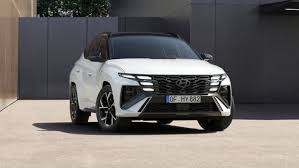
Fourth Generation (2022-Present): The Pinnacle of Tucson Design and Technology
The current, fourth-generation Hyundai Tucson is a masterclass in automotive design and technological integration. Debuting for the 2022 model year, it’s a dramatic departure from its predecessor, featuring a bold, futuristic exterior characterized by its parametric jewel grille that seamlessly integrates LED DRLs and headlights. The sharp, angular body lines and distinctive rear lighting signature contribute to a sophisticated and modern presence.
Beyond aesthetics, the dimensions have increased significantly, with a longer wheelbase translating directly into more generous rear-seat legroom and a substantial boost in cargo capacity. This makes the 2022 Hyundai Tucson and subsequent models exceptionally practical for families and active lifestyles.
Powertrain and Performance: The standard Tucson is powered by a 2.5-liter four-cylinder engine producing 187 horsepower, paired with an eight-speed automatic transmission. While this setup offers adequate performance for daily commuting, it’s not the sportiest in its class, typically taking around 10 seconds to reach 60 mph. However, the real story here is the Hyundai Tucson Hybrid and Plug-in Hybrid (PHEV) variants. The Hybrid model delivers a combined 227 horsepower, while the PHEV boasts an impressive 261 horsepower, offering a compelling blend of performance and exceptional fuel economy. These electrified powertrains significantly enhance the driving experience, providing brisk acceleration and the satisfaction of reduced emissions.
Interior and Technology: The interior is where the fourth-generation Tucson truly shines. Depending on the trim and model year, you’ll find premium materials, advanced infotainment systems, and a host of convenience features. Base models start with an 8-inch touchscreen featuring wireless Apple CarPlay and Android Auto, LED headlights, and a comprehensive suite of standard safety features like forward collision avoidance, lane keeping assist, and driver attention warning. Higher trims unlock a 10.25-inch touchscreen with navigation, a digital instrument cluster, Bose premium audio, ventilated front seats, and Hyundai’s semi-autonomous Highway Driving Assist.
The 2025 Hyundai Tucson saw a notable interior update, introducing a sleek, integrated dashboard design housing a 12.3-inch digital instrument cluster and a side-by-side touchscreen. This enhances the modern, tech-forward feel.
Safety and Reliability: This generation has earned top safety marks from both NHTSA and IIHS, underscoring Hyundai’s commitment to occupant protection. Recalls have been relatively minor and addressed promptly. While long-term reliability data for this generation is still accumulating, Hyundai’s track record and the inherent simplicity of non-hybrid powertrains suggest strong durability. The robust warranty further mitigates any long-term ownership concerns.
Best Trims to Consider: For the latest tech and comfort, the SEL Convenience and Limited trims are excellent choices. The SEL Premium package on earlier models also offered a wealth of desirable features. The N Line provides sporty styling, while the XRT offers a more rugged aesthetic. For fuel efficiency and a refined driving experience, the Hyundai Tucson Hybrid SEL Convenience or Limited are top contenders.
Third Generation (2016-2021): The Refinement Era
The third-generation Hyundai Tucson, launched for the 2016 model year, marked a significant leap in refinement and design. It grew in all dimensions, offering improved passenger comfort and a noticeably larger cargo area. This generation bridges the gap between the more basic earlier models and the highly sophisticated current generation, making it a compelling option on the used market for those seeking a balance of modernity and value.
Powertrain and Performance: This generation offered a dual-powertrain strategy. The base model featured a 2.0-liter four-cylinder engine (164 hp) paired with a six-speed automatic. More desirable was the 1.6-liter turbocharged four-cylinder (175 hp) that utilized a seven-speed dual-clutch automatic transmission (DCT). While the turbocharged engine offered brisk acceleration (around 8 seconds to 60 mph), the DCT could exhibit some low-speed hesitation, a characteristic common to many dual-clutch units of that era. For 2019, the base engine was replaced by a more potent 2.4-liter four-cylinder (181 hp) in the SE trim and above, improving overall responsiveness.
Interior and Technology: The interior design became far more upscale, with better materials and a more intuitive layout. Base SE models were equipped with a 5-inch infotainment screen, but higher trims like the Sport and Limited offered 7-inch or 8-inch displays, with the Limited also gaining features like leather seating, dual-zone climate control, and available navigation. A significant upgrade for this generation was the addition of Apple CarPlay and Android Auto, which became standard on most trims by the 2017 model year, greatly enhancing smartphone integration. The 2019 Hyundai Tucson refresh brought further improvements, including updated styling and enhanced standard safety features.
Safety and Reliability: This generation generally performed well in crash tests, earning a Top Safety Pick designation from the IIHS in several years. However, it wasn’t without its recalls, notably concerning the antilock brake controller and potential fire risks, a persistent issue that required careful attention. Despite this, many owners found the third-gen Tucson to be reliable day-to-day, especially those with the naturally aspirated 2.4-liter engine introduced later in the generation.
Best Trims to Consider: The SEL Plus or Sport trims offer a great balance of features and value. The Limited trim provides a near-premium experience with its leather seats, upgraded audio, and advanced features. For improved performance, look for models with the 1.6-liter turbo or the later 2.4-liter engine. If you can find a 2019 Hyundai Tucson or newer, you’ll benefit from the refreshed styling and improved standard safety features.
Second Generation (2010-2015): The Resurgence of Hyundai Design
The second-generation Hyundai Tucson represents a pivotal moment for the brand. It shed its utilitarian image, adopting Hyundai’s new “fluidic sculpture” design language, resulting in a much more attractive and dynamic vehicle. This generation signaled Hyundai’s serious intent to compete with established Japanese and American brands.
Powertrain and Performance: Initially, the second-gen Tucson featured a 2.4-liter four-cylinder engine (176 hp) with a six-speed automatic transmission. This provided adequate power for its class, and the Tucson distinguished itself with surprisingly sharp handling for a mainstream crossover. Later in its life cycle, a 2.0-liter four-cylinder (165 hp) was introduced for base models. Fuel economy was respectable for its time, with FWD models typically achieving around 23-26 mpg combined.
Interior and Technology: The interior also saw a dramatic improvement, moving away from generic parts-bin design to a more driver-focused and aesthetically pleasing cockpit. Material quality improved, and passenger space, particularly rear legroom, was enhanced. Standard features on the GLS included a six-speaker audio system, satellite radio, and USB input. Higher trims like the Limited added leather seats, heated front seats, and dual-zone climate control. While lacking the advanced connectivity of later models, the audio systems were competent, and available navigation was a welcome addition.
Safety and Reliability: This generation generally received good safety ratings, with NHTSA awarding it four and five stars in various tests. However, it was plagued by a number of recalls, most notably related to the antilock brake controller, brake lights, and airbags. While Hyundai addressed these issues, it’s crucial for prospective buyers to ensure any recall work has been completed on a used Hyundai Tucson from this era. Despite the recalls, many second-generation Tucsons proved to be durable workhorses.
Best Trims to Consider: The Limited trim offers the most amenities, including leather seating and heated front seats. The GLS with the optional Popular Equipment package provides a good balance of features for daily use. When searching for a 2014 Hyundai Tucson or 2015 model, you’ll benefit from the most refined versions of this generation, often with improved reliability and features.
First Generation (2005-2009): The Entry Point
The original Hyundai Tucson laid the groundwork for everything that followed. It was a no-frills, affordable compact SUV that offered basic transportation for those on a tight budget.
Powertrain and Performance: Buyers had a choice between a 2.0-liter four-cylinder (140 hp) and a 2.7-liter V6 (173 hp). The V6 offered more power but at the expense of fuel economy, with most models achieving around 18-20 mpg combined. Performance was, frankly, uninspired, especially with the four-cylinder engine.
Interior and Technology: The interior was utilitarian and plasticky, reflecting its budget-friendly positioning. Standard features included power windows and locks, cruise control, and a basic audio system. Higher trims added things like leather seats and a sunroof, but overall refinement was lacking compared to competitors. Safety features were basic, with ABS, traction control, and stability control being the most advanced offerings.
Safety and Reliability: Crash test data from NHTSA is limited, but the IIHS gave it “Acceptable” ratings for frontal and side impact tests. However, rollover scores were poor. Recalls were issued for issues like brake lights, airbags, and parking brakes. Given its age, any early Hyundai Tucson will likely have had multiple owners and potentially incomplete maintenance history.
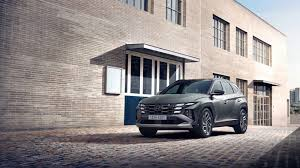
Best Trims to Consider: If you’re considering a first-generation Tucson, prioritize models with the V6 engine for a bit more grunt. However, due to its age and the significant improvements in subsequent generations, it’s generally advisable to look at newer models unless your budget is extremely constrained and you’re comfortable with its limitations.
Key Considerations for Buying a Hyundai Tucson
When evaluating Hyundai Tucson prices and models, keep these factors in mind:
Your Budget: Newer generations will naturally command higher prices. Determine your comfortable spending range first.
Your Needs: Do you prioritize fuel efficiency (Hybrid/PHEV), advanced technology, ample cargo space, or raw power?
Vehicle History Report (CarFax/AutoCheck): Essential for any used vehicle. Look for accident history, title issues, and maintenance records.
Pre-Purchase Inspection (PPI): Always have a trusted mechanic inspect any used car before you buy. This is especially critical for models with known recall issues.
Warranty Status: For used Tucsons, check if any of the original powertrain or bumper-to-bumper warranty remains. This can offer significant savings on potential repairs.
Trim Levels: Research the features included in each trim level to ensure you’re getting the options you desire. The Hyundai Tucson SEL Convenience is often a sweet spot for features and price.
The Verdict: A Smart Investment in Automotive Value
The Hyundai Tucson has evolved from a humble compact SUV into a sophisticated, feature-rich, and increasingly desirable vehicle. For those seeking a blend of affordability, advanced technology, and long-term peace of mind, the Hyundai Tucson’s reliability and value proposition remain exceptionally strong.
While the earliest models served their purpose, the best Hyundai Tucson to buy today lies firmly within the third and fourth generations. The 2022 Hyundai Tucson and its successors offer a modern, refined, and technologically advanced experience that rivals premium competitors, all while retaining Hyundai’s signature value. For savvy used car shoppers, well-maintained examples from the 2019-2021 period provide an excellent balance of features, performance, and affordability.
Whether you’re drawn to the efficiency of the Hyundai Tucson Hybrid, the practicality of the gasoline models, or the cutting-edge design of the latest generation, understanding these generational nuances will empower you to make a truly informed decision.
Ready to experience the evolution of the Hyundai Tucson firsthand? Explore local dealerships or reputable online marketplaces today to find the perfect Hyundai Tucson that fits your lifestyle and budget, and take a test drive to feel the difference Hyundai engineering makes.