
The Smart Buyer’s Guide: Unpacking the Hyundai Tucson – Value, Longevity, and the Wisest Used Buys
For over a decade, the automotive landscape has been steadily reshaped by the compact SUV segment. Within this fiercely competitive arena, the Hyundai Tucson has carved out a significant niche, consistently offering a compelling blend of features, affordability, and, increasingly, refined driving dynamics. As a seasoned observer with ten years navigating the industry’s ebb and flow, I’ve witnessed firsthand the Tucson’s remarkable evolution from its early, somewhat rudimentary beginnings to its current status as a sophisticated and desirable vehicle. This comprehensive guide is designed to equip prospective buyers with the in-depth knowledge needed to make an informed decision, focusing on critical aspects like cost-effectiveness, long-term reliability, and crucially, identifying the most judicious model years to acquire on the pre-owned market.
The Hyundai Tucson, a cornerstone of the Korean automaker’s product portfolio, first entered the market in 2005. Initially conceived as a more agile and accessible alternative to the larger Hyundai Santa Fe, it shared its underpinnings with the Elantra sedan. While its dimensions have predictably expanded over the years, the core ethos of providing an affordable and practical compact SUV has remained steadfast. Early iterations of the Tucson, while generous with features for their price point, often lagged behind established rivals in terms of interior polish and refinement. However, with each subsequent generation, Hyundai demonstrated an unwavering commitment to improvement, culminating in the sophisticated and feature-rich models we see today. This journey of refinement has been underpinned by Hyundai’s industry-leading warranty, offering significant peace of mind to new car buyers, a benefit that carries considerable weight in the pre-owned market as well.
Navigating the used car market for a Hyundai Tucson for sale can feel daunting. With multiple generations and a variety of trims, understanding which Hyundai Tucson model year offers the best value requires a discerning eye. This guide delves into each generation, highlighting their strengths, weaknesses, and the specific years that stand out for their reliability and feature sets, offering an edge over rivals in the used compact SUV space.
Decoding the Hyundai Tucson’s Generational Leaps
The Hyundai Tucson’s narrative is best understood through its distinct generational transformations. Each iteration represents a significant step forward, reflecting evolving consumer demands, technological advancements, and Hyundai’s growing manufacturing prowess.
The Pinnacle: Fourth Generation (2022-Present)
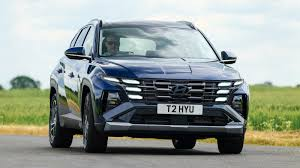
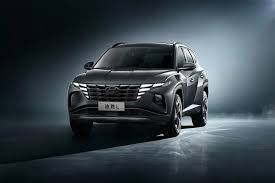
The current, fourth-generation Hyundai Tucson, launched for the 2022 model year, represents a paradigm shift in the model’s design and technological integration. Its exterior is dramatically sculpted, featuring a bold, parametric-designed grille that seamlessly incorporates distinctive LED daytime running lights, with the primary headlamps strategically positioned lower down. The bodywork is characterized by sharp, creased lines, a hallmark of Hyundai’s modern design language, while the rear fascia boasts a unique two-pronged taillight design connected by a sleek LED bar.
Beyond aesthetics, this generation has significantly increased in size, growing nearly six inches longer and boasting a wheelbase extended by approximately half that measurement. This translates directly to a more spacious cabin, particularly for rear passengers who gain three inches of crucial legroom, and a substantial 25% boost in cargo capacity. As is common within the Hyundai Motor Group, the Tucson shares its platform and many components with its corporate cousin, the Kia Sportage, a partnership that often benefits consumers through shared innovation and cost efficiencies.
Under the hood, the standard Tucson is powered by a 2.5-liter four-cylinder engine producing 187 horsepower and 178 pound-feet of torque, mated to an eight-speed automatic transmission. Front-wheel drive is standard, with all-wheel drive available as an option. For those seeking enhanced efficiency or performance, the Tucson Hybrid (227 horsepower) and the Plug-in Hybrid (PHEV) versions (261 horsepower) are offered as distinct models, broadening the appeal of the Hyundai Tucson Hybrid price and availability.
While the standard powertrain delivers adequate performance for daily commuting, it’s not the quickest in its class, with 0-60 mph sprints taking around 10 seconds. The suspension is tuned for a comfortable, compliant ride, prioritizing comfort over outright sportiness.
The trim hierarchy for the fourth generation begins with the SE, offering a solid foundation of features including LED headlights, 17-inch alloy wheels, an 8-inch touchscreen with wireless Apple CarPlay and Android Auto, and a suite of advanced safety features like forward collision avoidance with pedestrian detection, lane-keeping assist, and driver attention monitoring. The SEL trim builds upon this with roof rails, keyless entry and ignition, a power-adjustable driver’s seat, heated front seats, adaptive cruise control, and blind-spot monitoring with rear cross-traffic alert. The optional Convenience package further elevates the SEL with 19-inch wheels, a hands-free power liftgate, a panoramic sunroof, a digital instrument cluster, dual-zone climate control, wireless charging, ambient lighting, and a leather-wrapped steering wheel. The Premium package, available on SEL trims, adds leather seating, ventilated front seats, and a Bose premium audio system.
The N Line trim injects a sporty aesthetic with unique styling cues, sport seats, and the Bose audio upgrade. The XRT variant focuses on a more rugged appearance with distinct bumpers, dark exterior trim, side steps, and a tow hitch receiver, though it lacks any genuine off-road enhancements. Topping the range, the Limited trim boasts a panoramic sunroof, upgraded LED lighting, paddle shifters, power-adjustable front passenger seat, heated steering wheel and rear seats, a larger 10.2-inch infotainment system with navigation, a blind-spot view monitor, lane-centering assist, and a surround-view camera system, complemented by Hyundai’s Highway Driving Assist semi-autonomous system.
Significant updates for the 2023 model year saw the Premium package features integrated into other trims, and the panoramic sunroof became available on the N Line. For 2024, the N Line transitioned to the hybrid powertrain exclusively, leaving the standard lineup. The 2025 model year introduces a notable refresh, with a redesigned dashboard featuring a large, unified panel housing a 12.3-inch digital instrument cluster and a side-by-side touchscreen (available on SEL trims with the Convenience package and above). A new climate control interface is standard across all models. The 2026 model year sees minor trim revisions, including the SEL Premium replacing the SEL Convenience.
Fuel economy for the 2022 FWD model was initially rated at up to 29 mpg combined (26 city/33 highway), with AWD models achieving 26 mpg combined (24 city/29 highway). These figures were later slightly adjusted.
Safety ratings for the fourth-generation Tucson have been consistently strong. The NHTSA awarded it a five-star overall rating for FWD models by 2022, with AWD models achieving five stars by 2024. The IIHS recognized the 2022 Tucson as a Top Safety Pick+, its highest honor, with “Good” ratings across all crashworthiness tests.
As of early 2026, the Manufacturer’s Suggested Retail Price (MSRP) for a new Hyundai Tucson ranges from approximately $29,200 to $41,825 for the top-tier hybrid model. Hyundai’s industry-leading warranty, a five-year/60,000-mile bumper-to-bumper and a ten-year/100,000-mile powertrain warranty, remains a significant selling point, even for pre-owned models. Recalls have been relatively infrequent, with minor issues concerning hitch wiring, roof moldings, and headlights in the first year. Subsequent years saw isolated concerns with oil pumps and, more recently, airbags and transmission issues.
The fourth-generation Tucson has demonstrated commendable value retention, with early depreciation rates appearing slower than many competitors in the affordable compact SUV segment.
The Refinement Era: Third Generation (2016-2021)
The third-generation Hyundai Tucson arrived for the 2016 model year, marking a significant leap in design sophistication and refinement. It grew modestly in dimensions, adding 2.6 inches in length and slightly increasing width and wheelbase, resulting in more cargo space while passenger room remained largely consistent.
Initially, engine choices included a 2.0-liter four-cylinder producing 164 horsepower and 151 pound-feet of torque, exclusively for the base model paired with a six-speed automatic. Higher trims featured a more potent 1.6-liter turbocharged four-cylinder engine delivering 175 horsepower and 195 pound-feet of torque, coupled with a seven-speed dual-clutch automatic transmission. Front-wheel drive was standard, with AWD optional. The turbocharged engine offered respectable acceleration, achieving 0-60 mph in around eight seconds, competitive for its class. However, the dual-clutch transmission could exhibit occasional hesitancy at low speeds.
The 2016 Tucson was offered in SE, Eco, Sport, and Limited trims. The SE featured the base engine, while the Eco provided the turbocharged unit as the most accessible option, adding fog lights and roof rails. The Sport trim boasted 19-inch wheels, a hands-free power liftgate, and a blind-spot monitoring system. The Limited trim represented the premium offering with leather seating, an 8-inch touchscreen with navigation, and an optional Ultimate package that included advanced safety features like forward collision-avoidance with automatic emergency braking, lane-departure warning, and ventilated front seats.
Key updates over its lifespan included the addition of Apple CarPlay and Android Auto for the Limited trim in 2017. The 2018 model year saw a realignment of trims, introducing the SEL and SEL Plus, while the Sport gained a more powerful 181-hp 2.4-liter engine, and a Value trim replaced the Eco. The 2019 model year brought a significant refresh, featuring Hyundai’s cascading grille, an updated infotainment display, and crucially, standard advanced safety features across all trims, including forward collision mitigation, lane-keep assist, and driver attention monitoring. The turbocharged engine was discontinued this year. The final years of this generation saw minor styling tweaks and feature shuffling.
Fuel economy for the third-generation Tucson was generally good, with the FWD Eco trim achieving up to 28 mpg combined. The turbocharged models were surprisingly efficient, while the base engine with AWD was the least economical. By the end of its run, FWD models averaged around 25 mpg combined.
Safety ratings were robust, with the NHTSA awarding five stars for overall, frontal, and side impacts. The IIHS consistently recognized the Tucson as a Top Safety Pick, demonstrating strong crashworthiness.
Recalls for this generation were fewer but included a persistent concern with the antilock brake controller, potentially leading to fires, and issues with stalling engines and trailer wiring. Despite these, the third-generation Tucson is generally considered reliable, and its value retention is solid, particularly for well-maintained examples. Identifying a used Hyundai Tucson SEL or used Hyundai Tucson Limited from this era can be a wise investment.
The Design Revolution: Second Generation (2010-2015)
The second-generation Hyundai Tucson, launched for the 2010 model year, coincided with Hyundai’s ambitious transformation from a budget-focused brand to a serious contender against established Japanese manufacturers. This generation showcased a striking departure from the previous model’s conservative styling, adopting Hyundai’s new design language with a distinctive hexagonal grille and sculpted headlights. The interior also received a major overhaul, featuring a more cohesive design with better quality materials and fewer hard plastics, offering a significantly more premium feel for its segment.
Dimensionally, the Tucson grew slightly in length and width but reduced in height, yet passenger headroom and legroom saw improvements. Under the hood, initial models were powered by a 2.4-liter four-cylinder engine producing 176 horsepower and 168 pound-feet of torque, paired with a six-speed automatic transmission. Front-wheel drive was standard, with AWD an option. While not the most powerful, this Tucson distinguished itself with sharper handling compared to many rivals.
The 2010 Tucson was offered in GLS and Limited trims. The GLS included essentials like 17-inch wheels, remote keyless entry, and a six-speaker audio system. An optional Popular Equipment package added cruise control and heated mirrors, while the Limited trim offered a more upscale experience with 18-inch alloy wheels, leather seats, heated front seats, and dual-zone climate control. A panoramic sunroof was available on Limited models.
The lineup expanded for 2011 with a base GL trim featuring a smaller 2.0-liter engine. Suspension tuning and fuel economy improvements were implemented in 2012. The 2013 model year saw additional features trickled down to lower trims. By 2014, the GL trim and manual transmission were discontinued, and a new SE trim debuted, offering the more powerful 2.4-liter engine with improved output thanks to direct fuel injection.
Fuel economy for the 2010 models was around 26 mpg combined for FWD, with AWD versions slightly lower. Subsequent years saw minor variations. Crash test ratings from the NHTSA and IIHS were generally good, earning Top Safety Pick awards through 2013.
Recalls during this generation were more frequent, addressing issues like potential fires from the ABS controller, malfunctioning brake lights, airbag sensor problems, transmission cooler hoses, and steering wheel airbag concerns. Despite these, the second-generation Tucson has a reputation for holding its value remarkably well, with some examples even appreciating in recent years. This resilience makes a used Hyundai Tucson GLS or used Hyundai Tucson Limited from this era a potentially shrewd purchase, provided past recalls have been properly addressed.
The Pioneer: First Generation (2005-2009)
The inaugural Hyundai Tucson, hitting the market as a 2005 model, was Hyundai’s bold first entry into the compact crossover SUV segment. It was offered with a choice of engines: a modest 2.0-liter four-cylinder producing 140 horsepower and 136 pound-feet of torque, or a more robust 2.7-liter V6 generating 173 hp and 178 lb-ft. Both engines could be paired with either a five-speed manual or a four-speed automatic transmission, with front-wheel drive standard and AWD optional.
The early Tucson was available in GL, GLS, and LX trims. Even the base GL offered a respectable suite of features for its time, including 16-inch alloy wheels, roof rails, heated mirrors, power accessories, and cruise control. Safety features included anti-lock brakes, traction and stability control, and airbags. The GLS added a leather-wrapped steering wheel, while the LX offered more luxury with fog lights, a six-CD changer, leather seats, and heated front seats.
Minor updates occurred over its production run, including trim renamings and feature additions like satellite radio becoming standard. The 2009 model saw some driveline enhancements aimed at improving fuel economy.
Fuel economy was modest, with the four-cylinder manual FWD model achieving around 22 mpg combined, and the V6 version slightly less. Safety ratings from the IIHS were acceptable for frontal and side impacts but poor for rollover. Recalls were issued for brake lights, airbags, and stability control systems, with some issues persisting throughout the generation.
Given its age and the prevalence of hard plastics and basic technology, the first-generation Tucson is best considered for budget-conscious buyers looking for basic transportation. The cheapest Hyundai Tucson options will likely be found in this generation, with prices often well under $3,000. Thorough inspection is paramount for any potential purchase.
Identifying the Best Hyundai Tucson Years to Buy Used
Drawing on a decade of industry insight, the consensus points towards specific generations and years that offer the most compelling value proposition for used car buyers.
The Sweet Spot: Fourth Generation (2022-Present)
While newer, the latest generation of the Hyundai Tucson offers cutting-edge technology, advanced safety features, and a refined driving experience. For those prioritizing modern amenities and the latest in automotive design, a used Hyundai Tucson SEL Convenience or used Hyundai Tucson Limited from the 2022 or 2023 model years presents an excellent opportunity to acquire a nearly new vehicle at a significant discount from its original MSRP. The extended warranty coverage that often remains is a substantial draw. The 2025 and later models, with their updated interior and styling, will also become attractive used buys as they enter the market.
The Reliable Workhorse: Third Generation (2016-2021)
This generation represents a strong balance of refinement, features, and reliability. The 2019 Hyundai Tucson and later models are particularly recommended due to the standard advanced safety features and refreshed styling. Models equipped with the turbocharged engine offer a more engaging driving experience. The SEL and Limited trims are highly sought after for their enhanced features. While some recalls were noted, they were generally addressed, making well-maintained examples excellent used buys. If you’re searching for a used Hyundai Tucson with AWD, this generation offers capable options.
The Value Proposition: Second Generation (2010-2015)
The second-generation Tucson marked a significant turning point for Hyundai. These models offer surprising interior space and significantly improved driving dynamics compared to their predecessors. The 2013-2015 Hyundai Tucson models, benefiting from suspension refinements and feature additions, are particularly attractive. While recalls were more frequent, owners who diligently followed maintenance schedules and addressed any recall work often found these Tucsons to be quite durable. For the budget-conscious buyer seeking a reliable and stylish compact SUV, a used Hyundai Tucson GLS or SE from this era can be an exceptional value, especially when considering the Hyundai Tucson resale value.
The Budget Option: First Generation (2005-2009)
For those with the tightest budgets, the first-generation Tucson can serve as an affordable entry into the SUV market. However, buyers must exercise extreme caution. Due to their age, extensive pre-purchase inspections are non-negotiable. Focus on vehicles with a verifiable maintenance history and be prepared for potentially higher repair costs as components age.
Beyond the Model Year: Key Considerations for Used Hyundai Tucson Buyers
When searching for your next used Hyundai Tucson, consider these factors to ensure a wise purchase:
Trim Level: Higher trims (SEL, Limited, Sport) generally offer more desirable features like premium audio, advanced safety systems, and comfort amenities. For a Hyundai Tucson lease buyout, consider how these features align with your needs.
Engine and Drivetrain: While the V6 offered more power in earlier models, the four-cylinder engines, particularly the turbocharged variants in the third generation, provide a better balance of performance and fuel efficiency for most drivers. All-wheel drive (AWD) is beneficial for those in regions with inclement weather.
Maintenance History: This is paramount. A detailed service record indicates a vehicle that has been well-cared for, significantly increasing its longevity and reducing the likelihood of immediate costly repairs. Look for evidence of oil changes, fluid flushes, and any recall work being performed.
Mileage: While mileage is a factor, condition and maintenance history often trump raw numbers. A well-maintained Tucson with 100,000 miles can be a better purchase than a neglected one with half that.
Pre-Purchase Inspection (PPI): Always have any used vehicle inspected by an independent, trusted mechanic before finalizing a purchase. This is especially critical for older models. They can identify hidden issues that might not be apparent during a test drive.
Recall Check: Utilize resources like the NHTSA website to check for any outstanding recalls on a specific vehicle identification number (VIN).
The Future of Tucson Value and Ownership
The Hyundai Tucson has demonstrably evolved into a highly competitive player in the compact SUV market. Its consistent commitment to delivering value, coupled with an ever-improving suite of technology and safety features, bodes well for its long-term appeal. For the discerning buyer, understanding the nuances of each generation, prioritizing well-maintained examples, and leveraging expert advice will lead to a satisfying and cost-effective ownership experience.
Whether you’re looking for a feature-rich family hauler or an economical daily driver, the Hyundai Tucson, particularly from its third and fourth generations, offers a compelling proposition in the used car market. Its journey from a value-oriented entry point to a sophisticated and desirable SUV is a testament to Hyundai’s dedication to quality and innovation.
Ready to explore the Hyundai Tucson that best fits your lifestyle and budget? Take the next step by browsing our extensive inventory of used Hyundai Tucson models for sale in [Your City/Region] and schedule a test drive with a trusted dealer today. Experience the Hyundai Tucson difference firsthand and discover why it remains a top contender in the compact SUV segment.