
Toyota Tundra Safety Advisory: Understanding the Latest Recall and Multimedia System Integrity
As a seasoned professional with a decade immersed in the automotive industry, I’ve witnessed firsthand the evolution of vehicle technology and the paramount importance of safety recalls. The recent announcement concerning a significant number of Toyota Tundra trucks manufactured between the 2024 and 2025 model years warrants a detailed examination, not just for Tundra owners, but for anyone invested in the future of automotive electronics and consumer safety. This isn’t merely a software glitch; it’s a critical juncture highlighting the increasing reliance on integrated digital systems and the rigorous testing and validation processes they demand.
The core of this advisory revolves around an issue impacting the Toyota Tundra multimedia display. While seemingly straightforward, the implications are far-reaching. Reports indicate that the multimedia screen in affected Toyota Tundra trucks may exhibit erratic behavior. This can manifest as the display becoming “stuck” on a camera view, meaning it fails to transition to other functions or return to a standard interface. In more severe instances, the screen might present a completely black image, rendering it non-functional.
The Unseen Risks: Why Multimedia Display Malfunctions Matter
At first glance, a malfunctioning infotainment screen might seem like a minor inconvenience, akin to a smartphone freezing. However, in the context of a modern pickup truck like the Toyota Tundra, particularly those equipped with advanced driver-assistance systems (ADAS), this issue carries significant safety implications. The specific concern highlighted in this recall is the potential failure of the rearview camera to display when the vehicle is shifted into Reverse.
This isn’t just about missing a parking notification. The rearview camera, now a standard feature on most new vehicles, serves as a critical visual aid for drivers, especially in larger vehicles like the Toyota Tundra 2025. It provides an unobstructed view of the area directly behind the truck, encompassing blind spots that even well-adjusted side mirrors cannot fully cover. Without this vital visual feedback, the risk of striking pedestrians, children, pets, or other obstacles—even at low speeds—is substantially elevated. This directly increases the potential for serious accidents, a scenario that no vehicle manufacturer, nor responsible driver, wishes to encounter.
This recall underscores a broader industry trend: the deep integration of multimedia and safety systems. What was once a simple radio and CD player has evolved into a complex digital hub controlling navigation, climate, vehicle settings, and, critically, vital safety camera feeds. The challenge for manufacturers lies in ensuring the robustness and reliability of these interconnected electronic control units (ECUs). A failure in one seemingly non-critical module can have cascading effects on systems that directly impact vehicle operation and safety.
Deep Dive into the Toyota Tundra Multimedia System Recall
The affected vehicles encompass a substantial portion of the recent Toyota Tundra production. Specifically, model years 2024 and 2025 are included. This broad range suggests the issue may have originated early in the production cycle or within a specific batch of components or software. Understanding the exact nature of the defect is crucial. Toyota’s technical teams have identified the root cause as an issue with the software governing the Parking Assist ECU.
This ECU is not solely responsible for the multimedia display itself but manages a suite of parking-related functions, including sensor data and camera feeds. The software glitch prevents the ECU from correctly processing and displaying the rearview camera image, particularly when the transmission is engaged in reverse. This could be due to a timing issue, a data corruption problem, or a failure to execute specific commands within the programmed parameters.
The complexity of automotive software development cannot be overstated. Modern vehicles can have tens of millions of lines of code. Ensuring that every piece of this code functions flawlessly under all operating conditions—from extreme temperatures to varying signal strengths—is an immense engineering feat. Recalls like this, while disruptive, are a testament to the ongoing commitment to identifying and rectifying these complex issues. The rapid identification and proposed solution for the Tundra recall demonstrates Toyota’s proactive approach to vehicle safety.
The Path to Resolution: Software Updates and Owner Notification
Fortunately, the solution for this Tundra recall is relatively straightforward and, crucially, will be provided at no cost to owners. The remedy involves a software update to the Parking Assist ECU. Dealerships will be equipped to perform this update, which essentially re-writes the problematic code with a corrected version. This process typically takes a short amount of time and ensures that the multimedia display functions as intended, with reliable rearview camera feed when needed.
Toyota is expected to begin notifying registered owners of affected vehicles by late March. This notification process is a critical step in ensuring that all owners are aware of the recall and the necessary steps to take. It’s a crucial element of consumer protection, mandated by regulatory bodies like the National Highway Traffic Safety Administration (NHTSA).
For owners who wish to get ahead of the notification or have immediate concerns, several avenues are available. They can contact Toyota directly by calling their dedicated recall assistance line at 800-331-4331. A wealth of information is also available on Toyota’s official website, specifically at Toyota.com/recall, which often allows owners to input their Vehicle Identification Number (VIN) to check for outstanding recalls specific to their vehicle.
Beyond the manufacturer, regulatory bodies play a vital role. The NHTSA, the primary U.S. agency overseeing vehicle safety, provides a public hotline at 888-327-4236 and an accessible website. Here, consumers can not only check their VIN but also learn more about vehicle safety standards and ongoing investigations. This dual approach—manufacturer-led and government-regulated—ensures comprehensive coverage and transparency in safety recall processes.
Beyond the Current Recall: Ensuring Long-Term Multimedia System Reliability
While this specific recall addresses an immediate safety concern for Toyota Tundra recall owners, it raises broader questions about the future of automotive multimedia and ADAS. As vehicles become increasingly connected and autonomous, the reliability of their electronic brains is paramount. The Toyota Tundra multimedia display issue is a reminder that even well-established automakers face challenges with cutting-edge technology.
Several factors contribute to the complexity of modern automotive electronics:
Integration and Interoperability: Multiple ECUs communicate with each other. A fault in one can affect others. The multimedia system is often deeply intertwined with ADAS, powertrain management, and even infotainment services.
Over-the-Air (OTA) Updates: While offering convenience and the ability to deploy fixes remotely, OTA updates also introduce new vulnerabilities if not rigorously tested. Manufacturers are increasingly relying on these for software fixes, but thorough validation is key.
Cybersecurity: As vehicles become more connected to the internet, they become targets for cyber threats. Ensuring the security of these systems is as critical as ensuring their functionality.
Supplier Dependencies: Modern vehicles rely on a vast network of suppliers for electronic components and software. Ensuring the quality and reliability of every component is a monumental task.
Long Product Lifecycles: Vehicles are designed to last for many years, meaning their software and hardware must remain functional and secure throughout their lifespan. This requires robust long-term support and update strategies.
For consumers, staying informed is the best defense. Understanding the Toyota Tundra safety advisory and how to check for recalls is crucial. Beyond official notifications, reputable automotive news sources and consumer advocacy groups provide valuable insights into vehicle safety and emerging issues.
Navigating the Landscape: High-CPC Keywords and Consumer Confidence
In the realm of automotive commerce, certain keywords carry significant weight, both in terms of consumer interest and advertising value. For instance, terms like “Tundra TRD Pro recall,” “Toyota Tundra safety features,” and “best truck infotainment systems” often attract high-CPC (Cost Per Click) bids from dealerships, aftermarket parts suppliers, and even competing manufacturers. These keywords reflect specific consumer needs and purchase intent.
While this recall is focused on a software issue, it indirectly impacts consumer confidence in the overall multimedia experience. A seamless and intuitive infotainment system is no longer a luxury; it’s an expectation. Features like Apple CarPlay and Android Auto integration, responsive touchscreens, and clear navigation are key selling points. The incident with the Toyota Tundra multimedia display highlights the importance of manufacturers dedicating resources to not only innovate but also to rigorously validate the reliability and safety of these integrated systems.
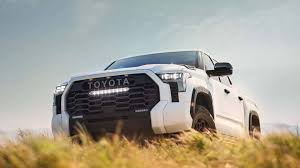
The 2025 Toyota Tundra TRD Rally variant, for example, embodies the rugged capability and advanced technology that consumers expect. Issues with core functionalities, even if resolvable, can temporarily overshadow the positive attributes of such a vehicle. This is where transparent communication and swift action from the manufacturer become critical in rebuilding and maintaining trust.
Furthermore, discussions around “Tundra backup camera issues” or “Toyota touchscreen problems” are likely to see increased search volume. Addressing these concerns proactively, not just through recalls but through improved design and testing protocols for future models, is essential for long-term brand loyalty.
Expert Insights and Future Trends in Automotive Safety
From my perspective, ten years in this industry have shown a clear trajectory: technology is not just an add-on; it is the core of the modern driving experience. The challenges presented by recalls like the Tundra multimedia system update are inevitable as we push the boundaries of what vehicles can do. However, the true measure of a manufacturer lies in its response.
The move towards advanced driver-assistance systems (ADAS) is accelerating. Features like adaptive cruise control, lane-keeping assist, and automatic emergency braking rely heavily on sensor data and sophisticated software algorithms. The integrity of the multimedia display, which often serves as the central interface for these systems, is therefore directly linked to their effective operation.
Looking ahead to 2025 and beyond, we can expect:
Enhanced Vetting Processes: Manufacturers will likely invest further in advanced simulation, exhaustive real-world testing, and AI-driven anomaly detection to identify software bugs before vehicles reach consumers.
Modular Software Architectures: Designing software in more modular components can isolate potential failures, preventing a single bug from disabling critical functions.
Predictive Maintenance: Leveraging vehicle data to predict potential component failures—including software-related issues—before they occur, allowing for proactive service.
Focus on User Experience (UX) and User Interface (UI): Beyond raw functionality, the ease of use and intuitive design of multimedia systems will be a key differentiator.
Robust Cybersecurity Measures: As vehicles become more connected, safeguarding them against cyber threats will be as important as traditional safety testing.
For Toyota Tundra owners and prospective buyers, understanding the recall process, the potential issues, and the manufacturer’s commitment to resolution is key. A recall, while concerning, is an indicator of a system designed with safety in mind, where issues are identified and addressed. It’s a part of the product lifecycle, especially in a rapidly evolving technological landscape.
Localized Search and Consumer Action
For those residing in specific regions, local search intent can also be a significant factor. For instance, a search for “Toyota Tundra repair near me” or “Toyota dealership [city name] recall service” will direct consumers to nearby service centers. If you are in an area like Dallas Toyota Tundra recall concerns might lead you to search for local service centers that are well-equipped to handle the update. Similarly, questions about “Tundra backup camera not working” are common searches that directly relate to this recall.
The availability of dealerships and their efficiency in performing recall services can influence a consumer’s perception of a brand. Prompt and professional service can turn a potentially negative experience into a demonstration of a manufacturer’s commitment to customer satisfaction.
In Conclusion: A Call to Action for Tundra Owners
The current safety advisory regarding the Toyota Tundra multimedia display is a critical reminder of the complex interplay between advanced technology and vehicle safety. While the issue is a software malfunction, its potential to compromise rearview camera functionality underscores the importance of every component and line of code in a modern automobile.
For owners of 2024 and 2025 Toyota Tundra trucks, the message is clear: engage with the recall process. Familiarize yourself with the details provided by Toyota and NHTSA. Should you have questions or wish to ensure your vehicle is addressed, don’t hesitate to contact your local Toyota dealership or the manufacturer directly. Proactive engagement is the most effective way to ensure your vehicle remains safe and fully functional. This recall is an opportunity to ensure your Tundra’s systems are operating at their optimal, safe performance.