
The Enduring Appeal of the Mazda CX-5: A Decade of Driving Excellence
For a decade, the Mazda CX-5 has carved a unique niche in the competitive compact SUV landscape. It’s a vehicle that consistently defies categorization, blending the practicality expected of an SUV with the engaging driving dynamics that have become a hallmark of the Mazda brand. As an automotive industry professional with ten years of experience observing market trends and vehicle evolution, I’ve seen firsthand how the CX-5 has matured, adapted, and consistently delivered a compelling ownership proposition. This guide delves deep into what makes the Mazda CX-5 such a sought-after vehicle, exploring its cost of ownership, long-term reliability, and the specific model years that represent the pinnacle of value and performance. We’ll also examine how recent and upcoming innovations are poised to further solidify its status in the automotive world.
The journey of the Mazda CX-5 began in 2013, an era when the crossover segment was exploding in popularity. While Mazda had produced SUVs prior, the CX-5 was its first truly mass-market contender, engineered to capture the brand’s renowned driving pleasure in a more versatile package. Its direct competitors, such as the Honda CR-V and Toyota RAV4, often prioritized comfort and fuel efficiency, sometimes at the expense of driver engagement. Mazda, however, leveraged its position within the company’s lineup, with the larger, three-row CX-9 serving as the family hauler, allowing the CX-5 to embrace a sportier, more car-like demeanor. This strategic differentiation has been a key factor in its sustained success.
From its inception, the first-generation CX-5 was a visual statement, embodying Mazda’s “Kodo—Soul of Motion” design philosophy. This aesthetic aimed to imbue stationary objects with a sense of dynamic movement, a principle evident in its flowing lines and athletic stance. More significantly, it was the debut platform for Mazda’s innovative “Skyactiv” technologies. These weren’t radical engine breakthroughs but rather a holistic approach to improving efficiency and performance. Skyactiv encompassed lightweight construction, optimized aerodynamics, and refined transmissions, all designed to extract more from the available power without resorting to the ubiquitous downsized turbocharged engines that many rivals were embracing. Mazda’s commitment to larger displacement, naturally aspirated engines, coupled with their engineering prowess, allowed the CX-5 to deliver both spirited performance and respectable fuel economy, a testament to their distinctive engineering approach. The drivetrain offered a choice of front-wheel drive (FWD) as standard or all-wheel drive (AWD) as an option, powered by Skyactiv gasoline engines paired with a choice of six-speed manual or automatic transmissions. This combination provided a drive that was undeniably sharper than many of its peers, offering an engaging experience whether navigating city streets or embarking on a road trip.
Exploring the Evolution: Generational Shifts and Key Improvements
The second generation, introduced in 2017, represented a significant leap forward, amplifying the CX-5’s already appealing attributes. Its exterior became even more sculpted and sophisticated, while the interior was meticulously crafted, exuding a premium feel that often rivaled luxury brands at a much higher price point. Under the hood, the engine lineup saw an update, with the previous 2.0-liter engine being phased out in favor of a standard 2.5-liter Skyactiv engine. This engine, now paired exclusively with a six-speed automatic transmission, continued to offer FWD or AWD configurations. The real performance boost arrived in 2019 with the introduction of the 2.5-liter turbocharged engine, denoted as the “2.5T.” This addition brought a potent dose of power, transforming the CX-5 into a genuinely quick and dynamic compact SUV, further enhancing its reputation for spirited driving.
The latest iteration, the third generation, arriving for the 2026 model year, signals a strategic shift for Mazda, with a renewed emphasis on spaciousness and practicality, without sacrificing its inherent style. This new CX-5 is noticeably larger, both in its external dimensions and interior volume. A headline feature is the expansive 15.6-inch touchscreen, integrating Google’s latest suite of services, including Google Gemini AI assistant, Google Maps with personalized features, and access to the Google Play Store. This technology infusion brings the CX-5’s infotainment system firmly into the modern era, offering a highly intuitive and connected user experience. While the launch will feature the familiar 2.5-liter engine, anticipation is high for the integration of a hybrid powertrain, expected in 2027. This move signals Mazda’s commitment to electrification within the CX-5 lineage, further broadening its appeal to environmentally conscious buyers.
Reliability and Cost of Ownership: A Deep Dive for Smart Buyers
When considering a Mazda CX-5 used purchase, understanding reliability trends across different model years is paramount. While the Mazda CX-5 reliability record is generally strong, certain years and generations have distinguished themselves more than others. The second-generation CX-5 (2017-2025) generally boasts a superior reputation for dependability compared to its predecessor. Independent surveys and owner feedback consistently place these models above the average for their segment. However, like any vehicle, there are specific areas to be aware of. Owners have reported occasional engine issues, as well as concerns related to windshields, brakes, and the infotainment system. These are not pervasive problems but are worth noting during a pre-purchase inspection.
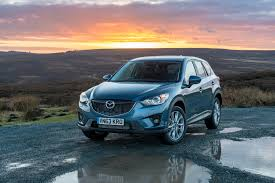
The first-generation CX-5 (2013-2017), while a groundbreaking vehicle, experienced some notable issues, particularly in the 2014 and 2016 model years. Reports on platforms like carcomplaints.com highlight concerns with engines, electrical systems, and braking components. This doesn’t render these years entirely undesirable, but it means buyers should be particularly diligent in their inspection and consider models with a comprehensive maintenance history. The 2.5-liter engine introduced in 2014 significantly improved performance and is generally considered more robust than the earlier 2.0-liter unit.
The cost of owning a Mazda CX-5 is also a critical factor. Used prices for a second-generation CX-5 typically start around $12,500 for models with under 100,000 miles. Higher-mileage examples can be found for less, but will likely require more immediate maintenance. For those seeking the best value, a well-maintained first-generation CX-5 with under 100,000 miles can often be found for $10,000 or more, with earlier, higher-mileage examples dipping below $6,000. The upcoming third-generation models, with their advanced technology and refined practicality, are projected to start in the low $30,000s, positioning them at the premium end of the compact SUV market.
High-CPC Keywords and Strategic Integration
In today’s automotive market, specific search terms can carry significant weight for dealerships and buyers alike. Keywords like “Mazda CX-5 price new” or “Mazda CX-5 lease deals” often indicate strong purchase intent and can be associated with higher cost-per-click (CPC) advertising. Similarly, local search terms such as “Mazda CX-5 for sale Rochester NY” or “used Mazda CX-5 Tucson AZ” reflect buyers actively looking for a vehicle in their vicinity, a crucial element for dealerships. Discussions around specific trims, such as “Mazda CX-5 Grand Touring AWD price” or “Mazda CX-5 Signature reliability,” also signal informed buyers who are narrowing down their options.
When considering a Mazda CX-5 Grand Touring AWD, for instance, prospective buyers are often looking for a blend of luxury features and capable all-weather performance. The AWD system, known as “i-Activ AWD” in many models, is a significant selling point, offering enhanced traction and stability in varied conditions. This trim level typically includes premium amenities like leather upholstery, a Bose audio system, and advanced safety features, justifying a higher price point. For those prioritizing efficiency and a lower entry cost, a Mazda CX-5 Touring FWD can present an excellent value. This trim often offers a compelling package of features without the full luxury accouterments of the Grand Touring, making it a popular choice for budget-conscious consumers.
The pursuit of the best Mazda CX-5 years to buy is a common one, and my experience suggests that for a balance of modern features, refined driving dynamics, and improved reliability, the second-generation models, particularly those from 2018 onwards, are compelling choices. The introduction of the 2.5T engine in 2019 further elevates these later second-gen models for those seeking a more exhilarating driving experience. For budget-conscious buyers prioritizing Mazda’s engaging driving ethos at a lower cost, the 2014-2016 first-generation models, with the availability of the larger 2.5-liter engine, can be a smart acquisition, provided a thorough inspection is conducted.
Safety and Features: A Consistent Strength
Across all generations, the Mazda CX-5 has consistently been a strong performer in safety. Standard features often include a suite of advanced driver-assistance systems (ADAS). Even base models typically come equipped with automatic LED headlights, a rear-view camera, Apple CarPlay and Android Auto integration, remote keyless entry, and adaptive cruise control (Mazda’s Radar Cruise Control with Stop & Go). Safety-focused additions like lane departure warning and lane-keep assist are also frequently included as standard, underscoring Mazda’s commitment to occupant protection.
The infotainment systems, while evolving, have sometimes been cited as slightly dated in comparison to some rivals. However, the integration of Google built-in in the 2026 model year represents a significant advancement, bringing cutting-edge connectivity and user experience to the forefront. For those seeking the most up-to-date technology, this new generation will undoubtedly be the benchmark.
The 2025 Mazda CX-5 and Beyond: Future-Proofing Your Investment
As we look towards the 2025 model year and beyond, the automotive landscape continues its rapid evolution. The Mazda CX-5, in its current second-generation form, remains a highly competitive option. However, the impending arrival of the third generation for 2026, with its increased size, advanced technology, and planned hybrid powertrain, signals Mazda’s forward-thinking strategy. This transition means that discerning buyers can potentially find even better deals on the outgoing second-generation models as inventory is refreshed.
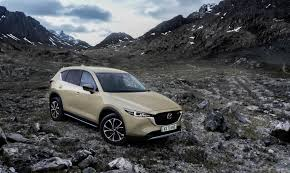
For those actively searching for a Mazda CX-5 near me, whether in major metropolitan areas like Mazda CX-5 Chicago deals or seeking specific models like a Mazda CX-5 Grand Touring AWD for sale, thorough research and comparison shopping are key. The used car market offers a wealth of options, but understanding the nuances of each generation and model year will lead to the most satisfying purchase.
Making Your Informed Decision
The Mazda CX-5 has proven itself to be more than just another compact SUV; it’s a vehicle that prioritizes driver engagement, sophisticated design, and a premium feel, often at a more accessible price point. Whether you’re drawn to the sporty dynamics of the first generation, the refined elegance of the second, or the technologically advanced practicality of the upcoming third, there’s a Mazda CX-5 that can meet your needs. By understanding the cost of ownership, reliability trends, and the specific strengths of each model year, you can confidently navigate the market and find the perfect CX-5 to elevate your driving experience.
Ready to experience the Mazda CX-5 difference for yourself? Explore our current inventory of new and pre-owned CX-5 models today and schedule your test drive to discover the joy of driving a Mazda.